




Exhibitions
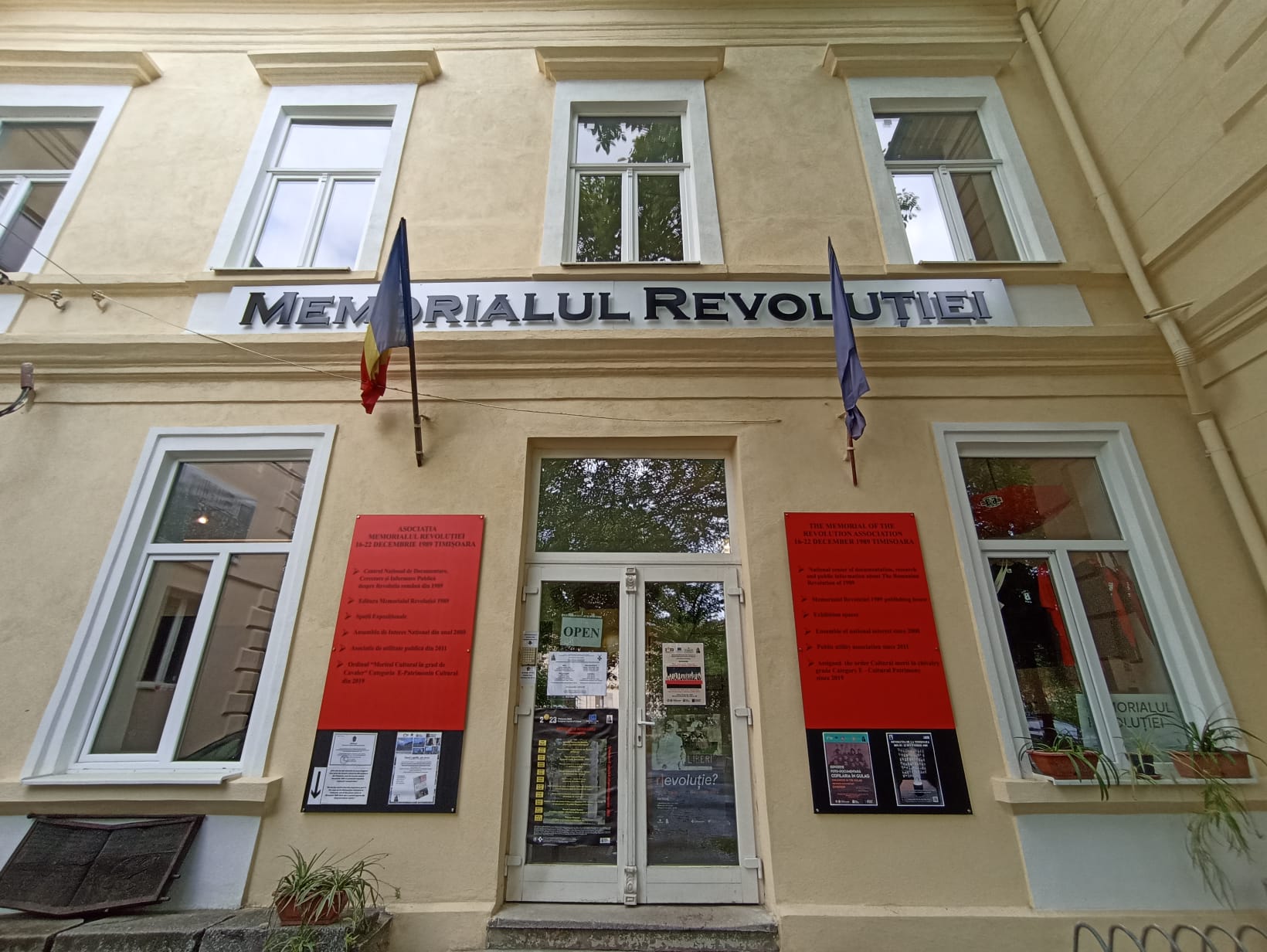
The Timișoara Revolution Memorial offers our visitors an overview of important moments in the recent history of Europe and Romania.
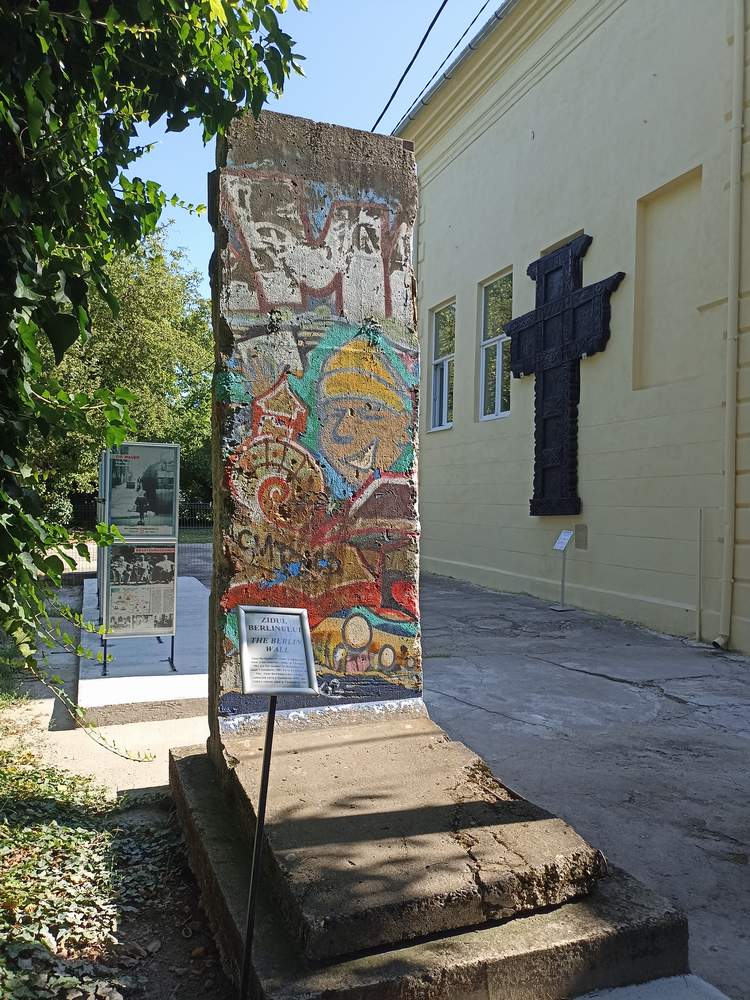
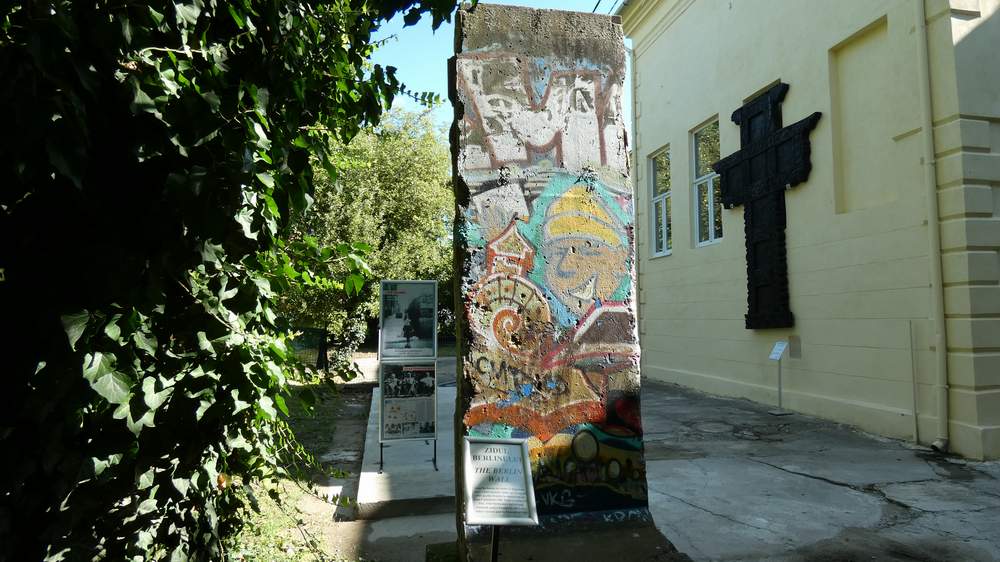
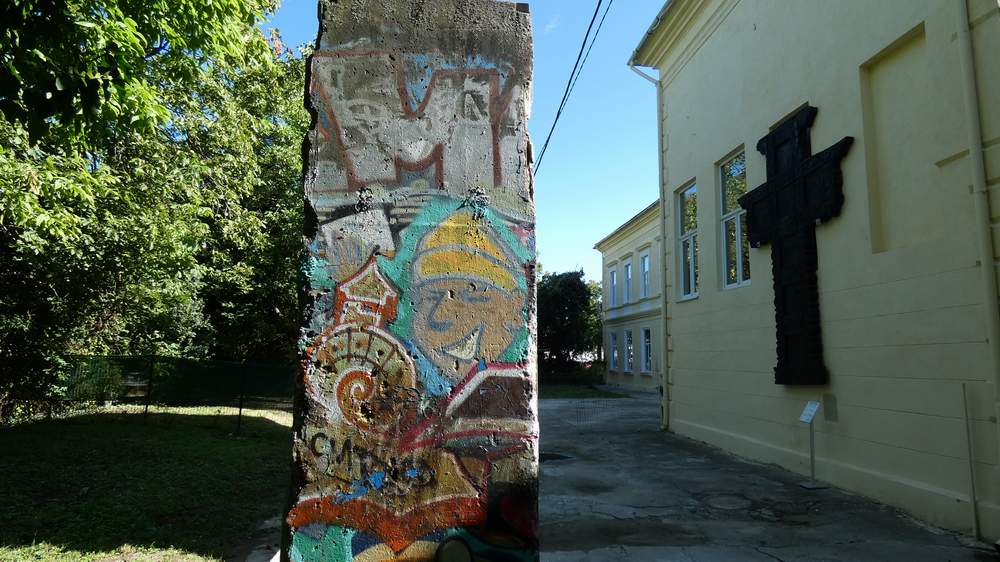
Right at the entrance, visitors are greeted by a fragment of the Berlin Wall, placed in the courtyard of our institution to commemorate the crucial event of November 1989, which preceded the Romanian Revolution of December 1989.
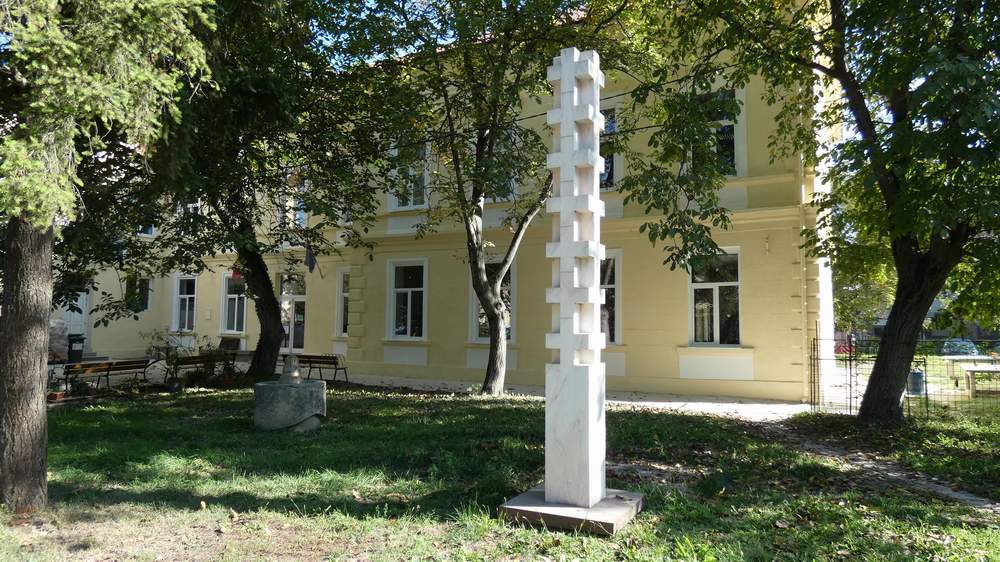
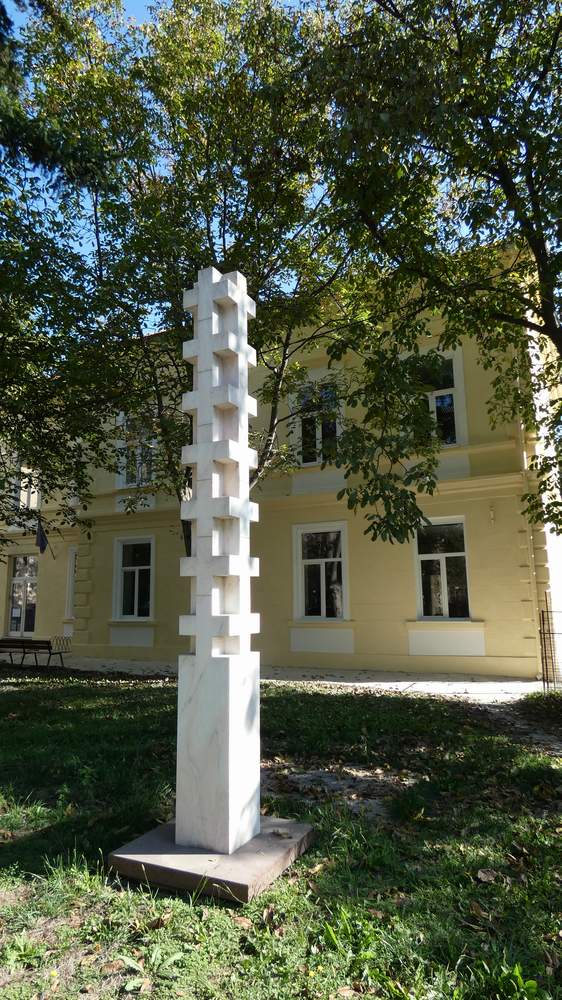
Not far from the segment of the Berlin Wall is the work of Timișoara sculptor Eugen Barzu, "Coloana Eroilor" (Heroes' Column)the most recent monument dedicated to the Revolution and its heroes, inaugurated in December 2014, which joins the other 12 monuments in the city.
Permanent exhibitions:
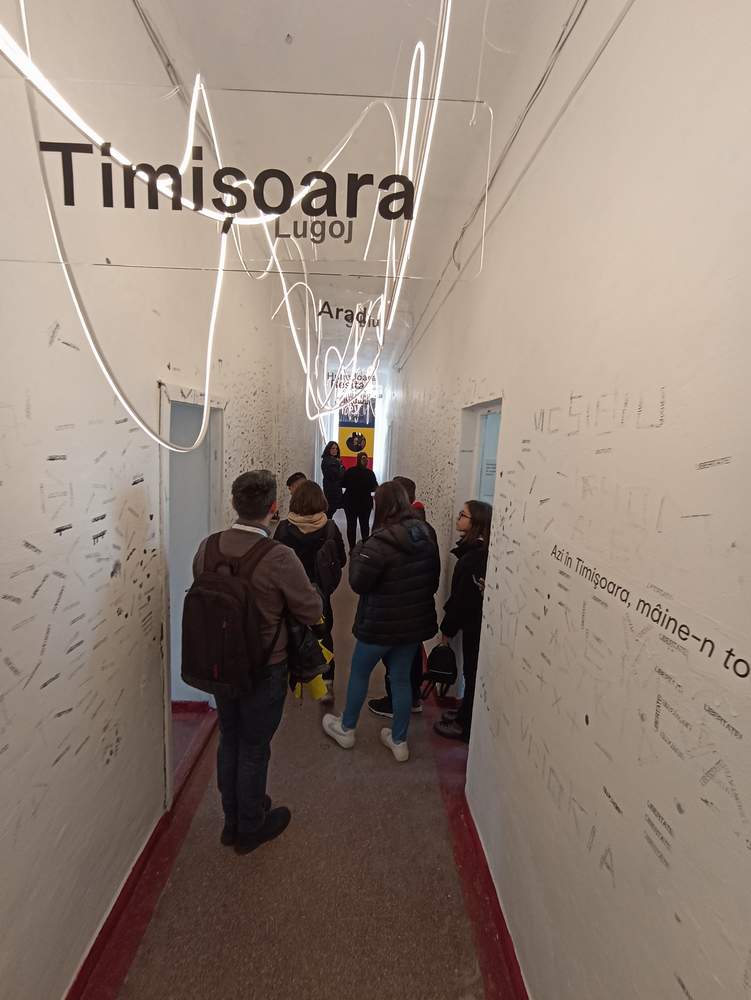
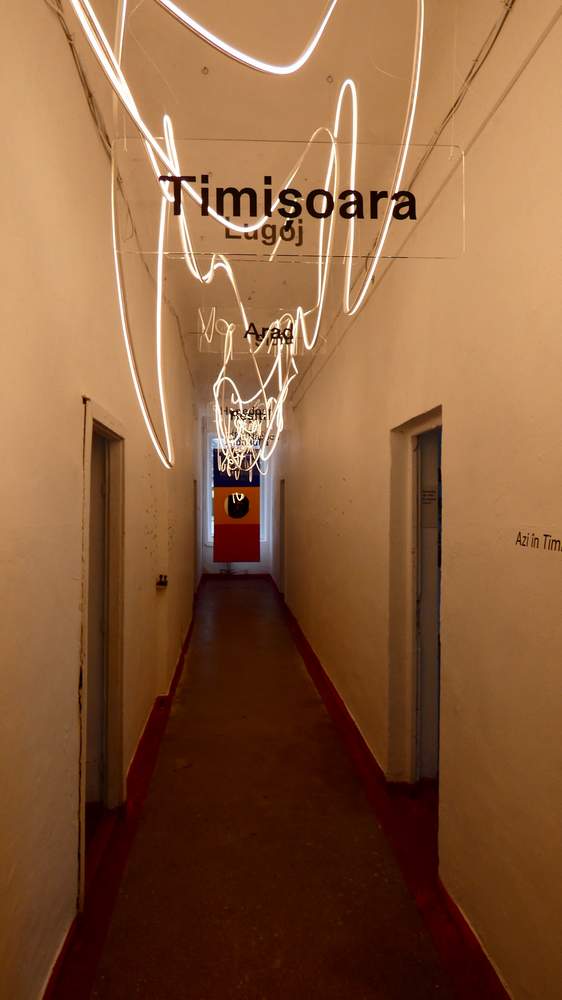
"The Revolution in Timișoara from December 15-22, 1989", created with the financial support of the KONRAD ADENAUER FOUNDATION, based on an artistic concept by architect Silvia Tripșa, the exhibition consists of seven rooms representing the key moments of the Timișoara Revolution during the period of 15–22 December 1989. Among the items displayed here are the clothing of the martyrs, uniforms bearing bullet marks, weapons, and the cut-out flags of the Revolution.
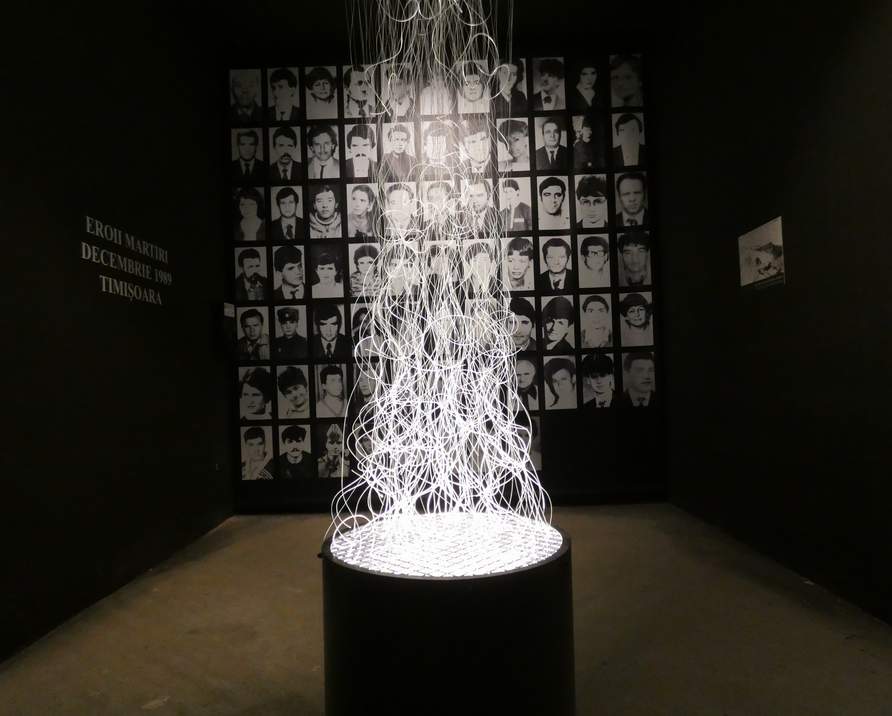
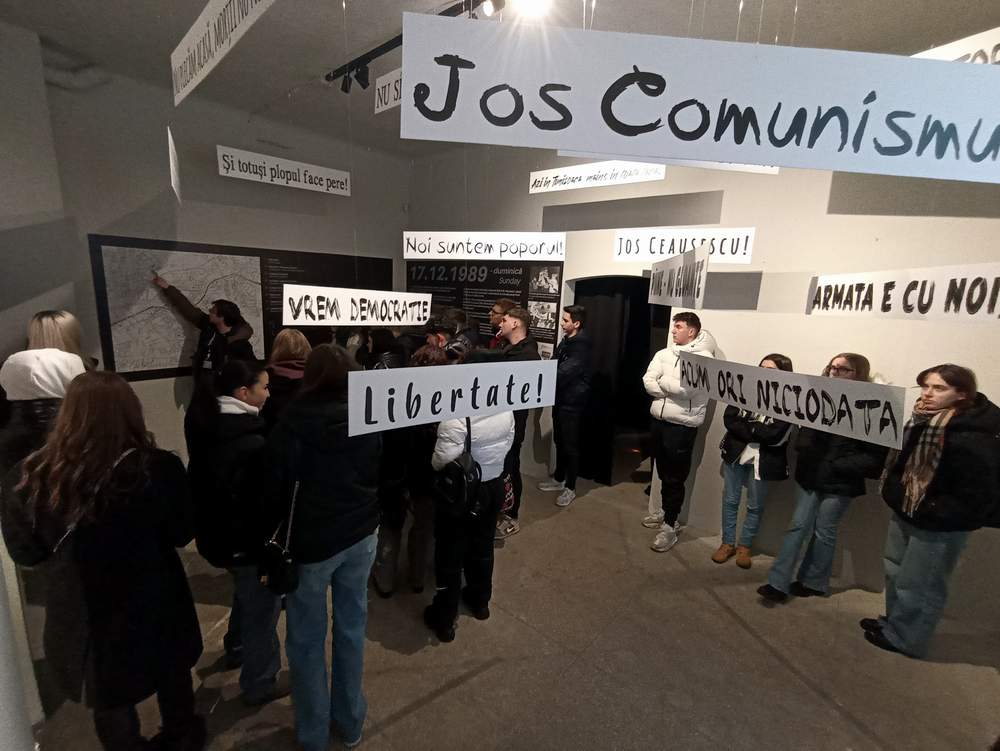
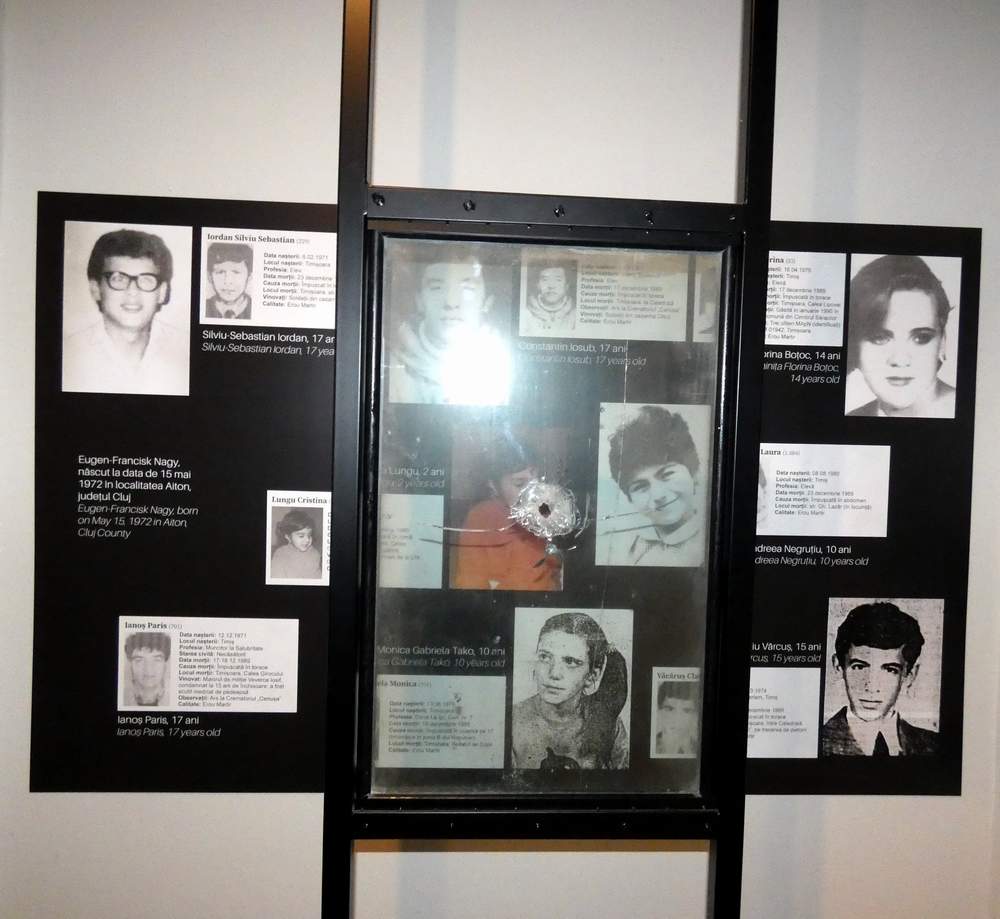
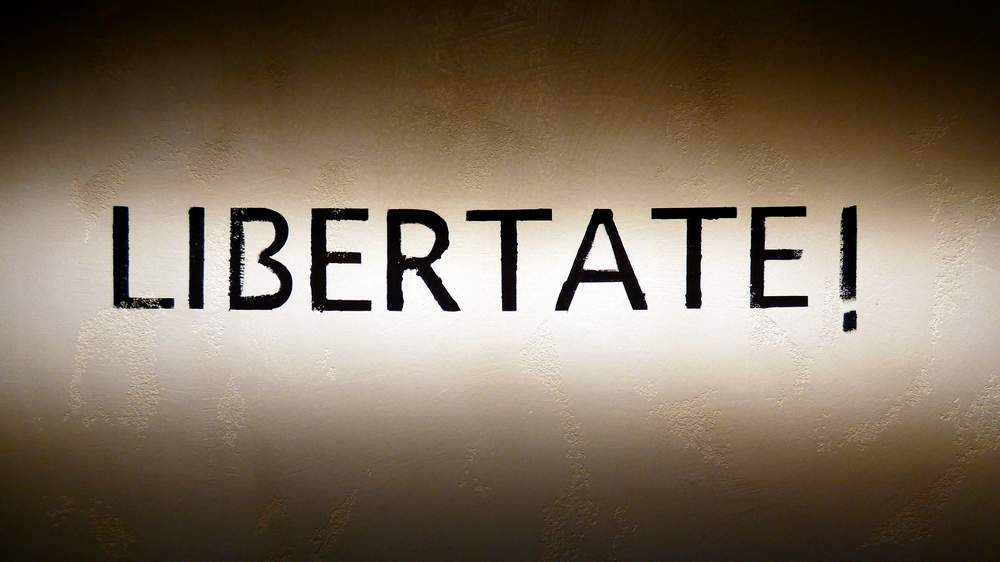
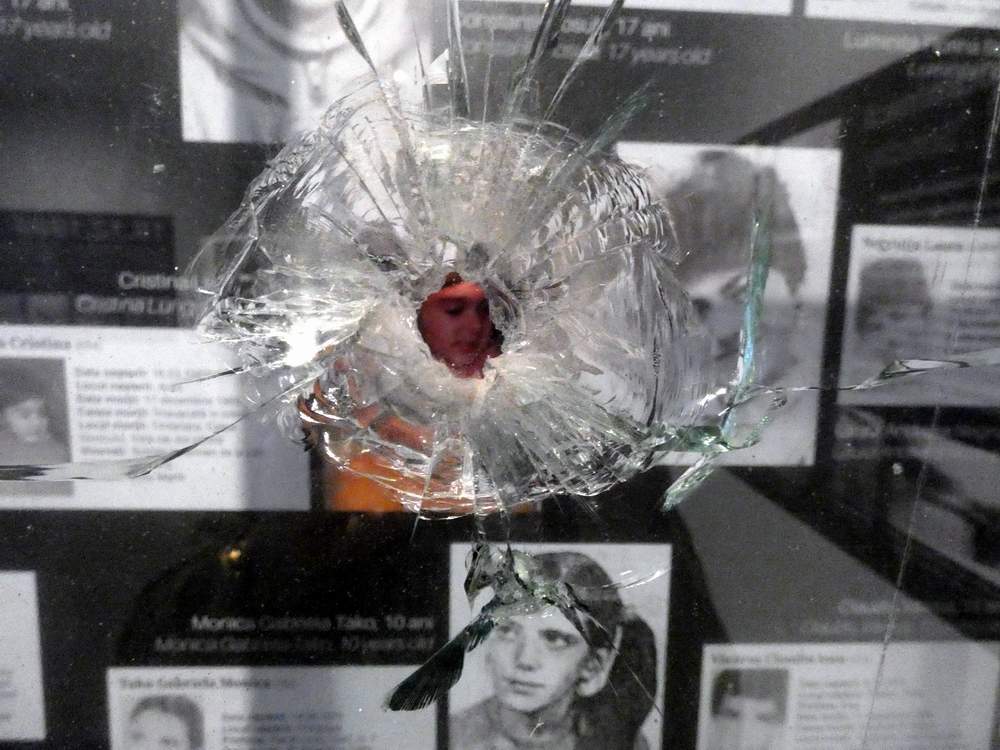
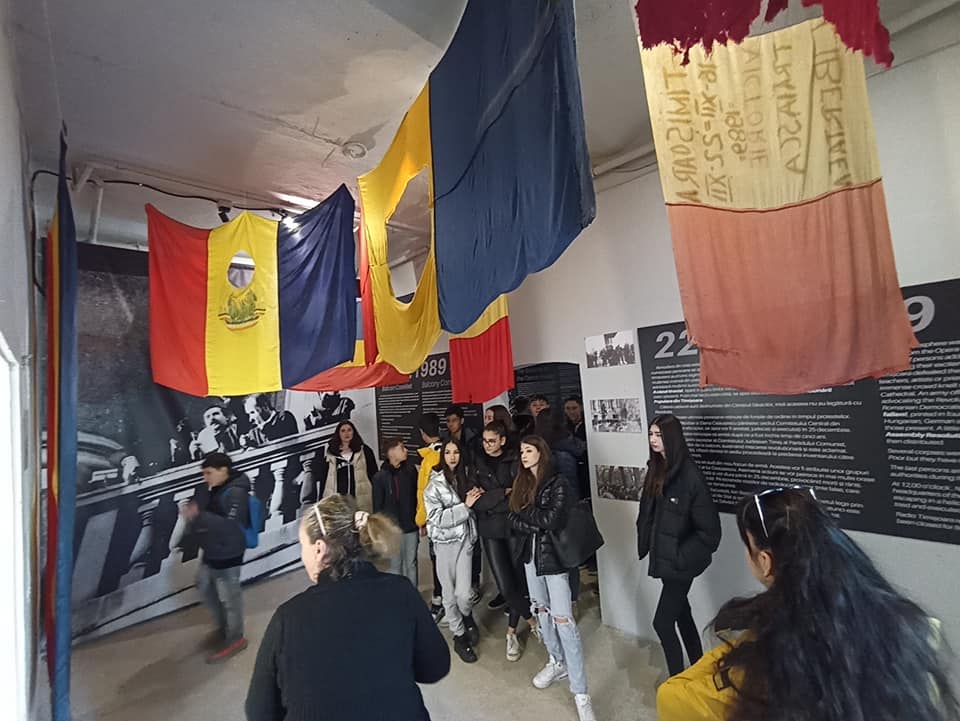
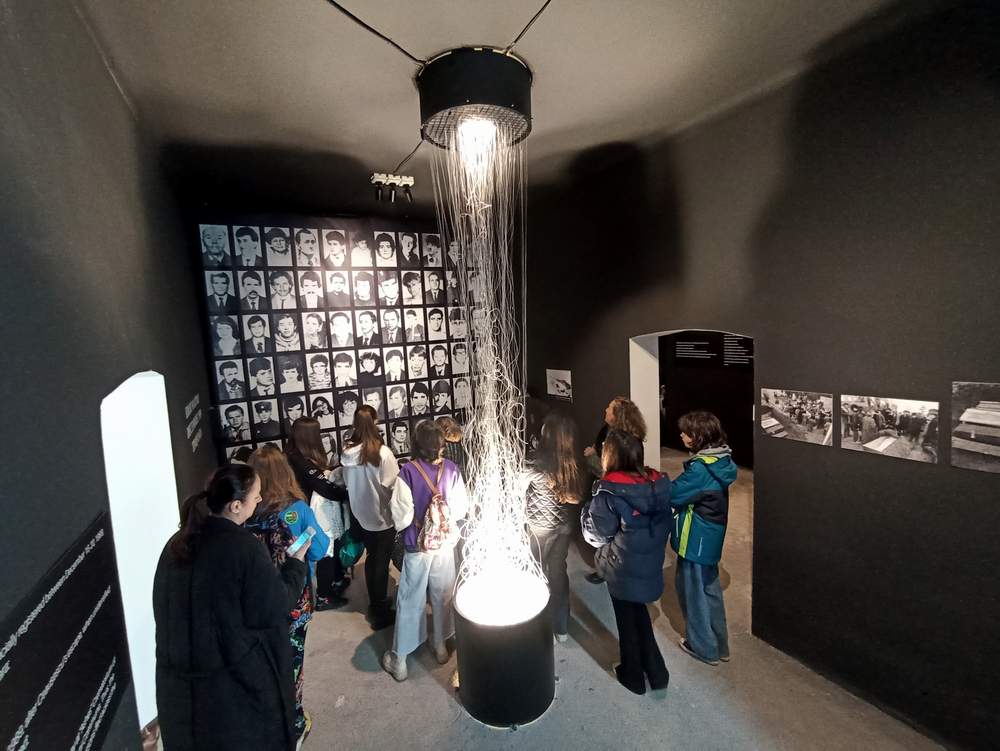

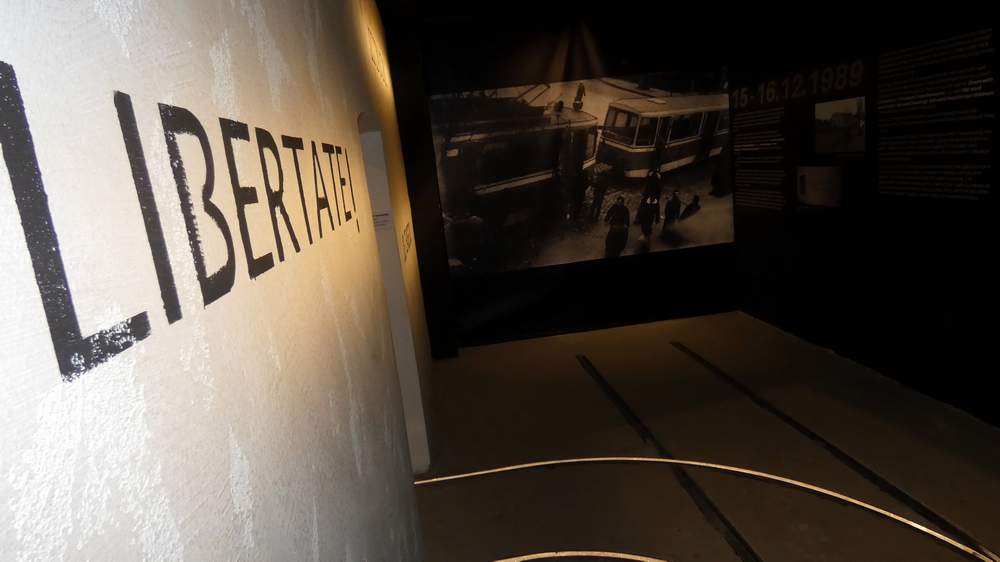
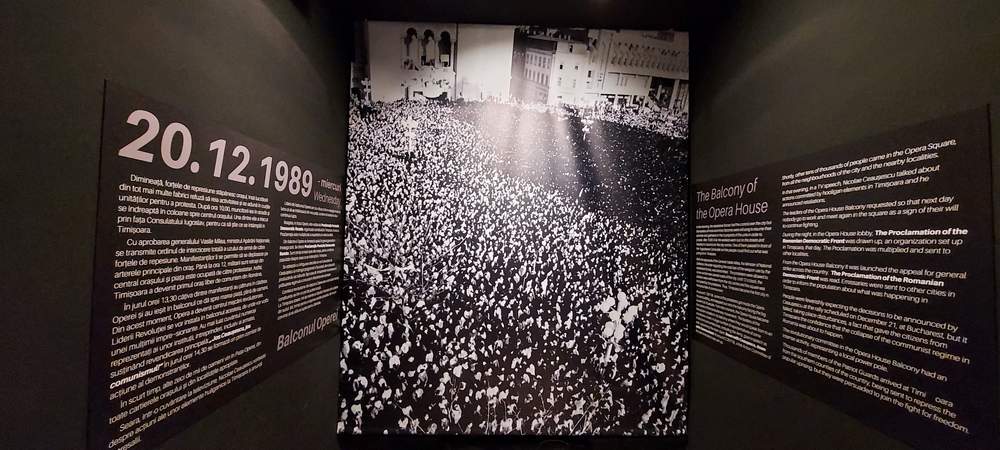
Expozitie REVOLUȚIA DE LA TIMIȘOARA DIN 15-22 DECEMBRIE 1989
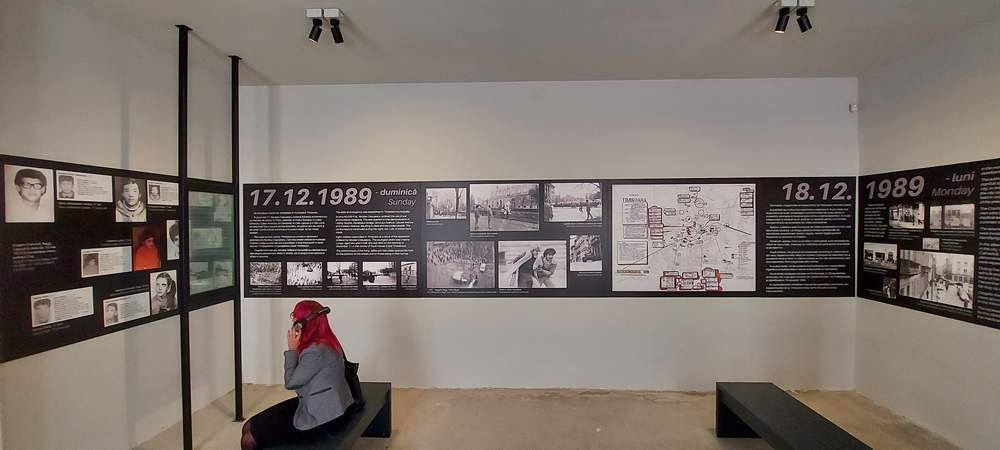
Expozitie REVOLUȚIA DE LA TIMIȘOARA DIN 15-22 DECEMBRIE 1989
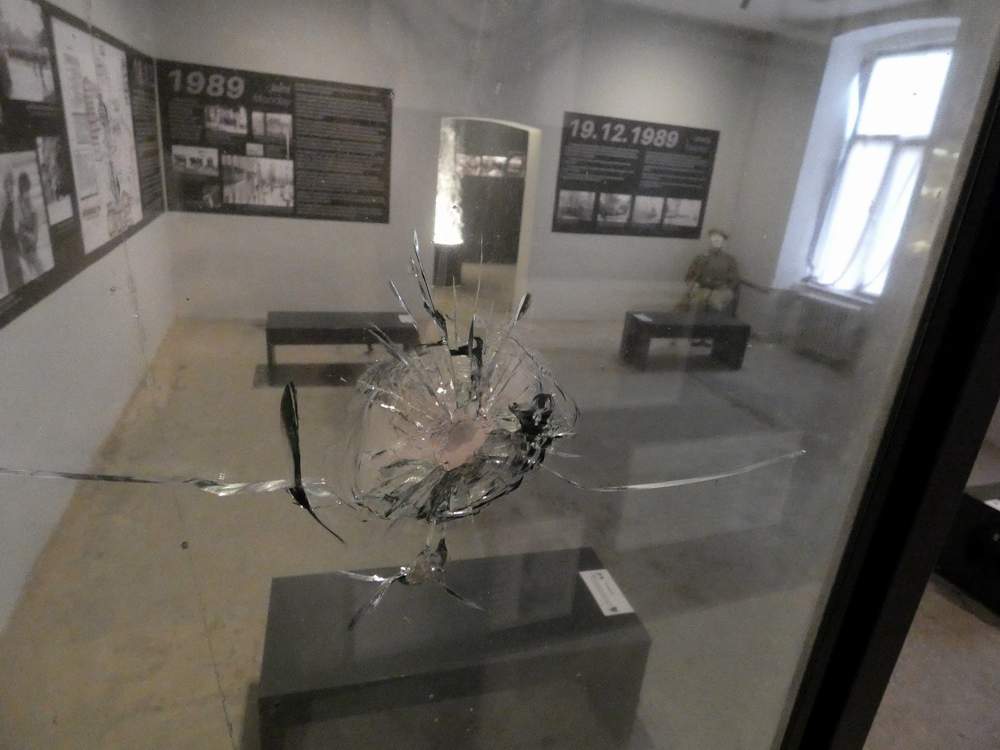
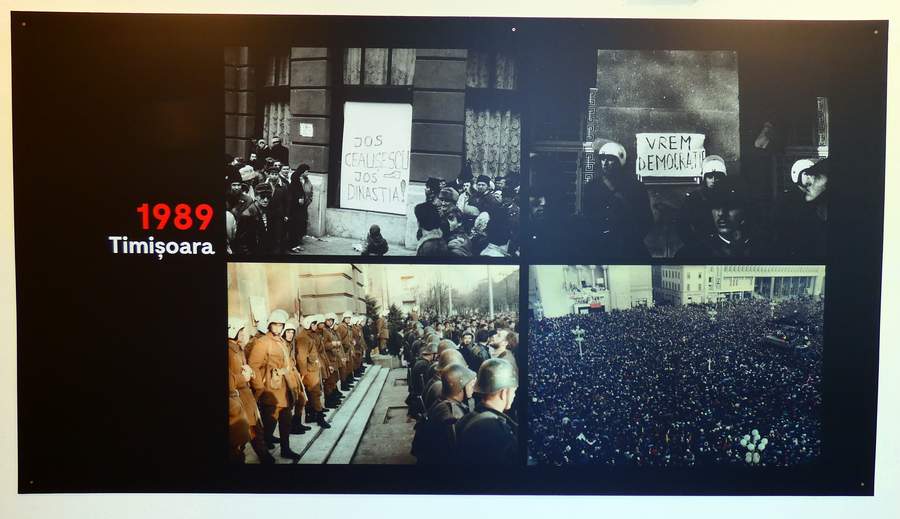
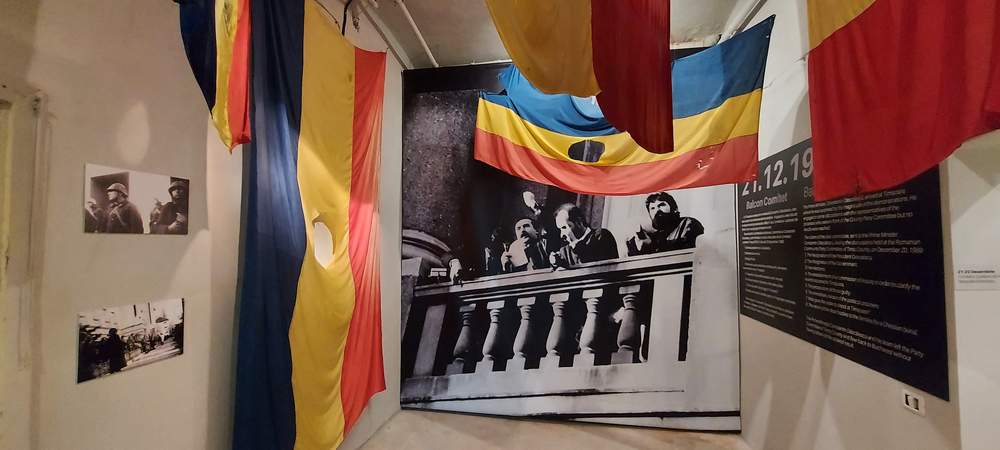
Expozitie REVOLUȚIA DE LA TIMIȘOARA DIN 15-22 DECEMBRIE 1989
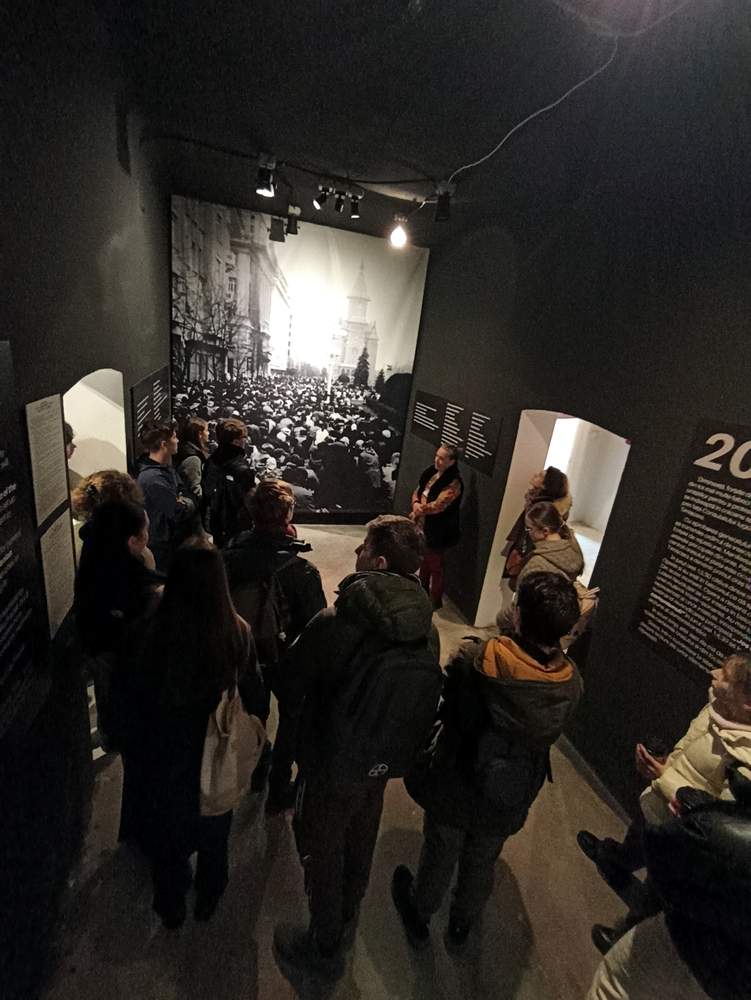
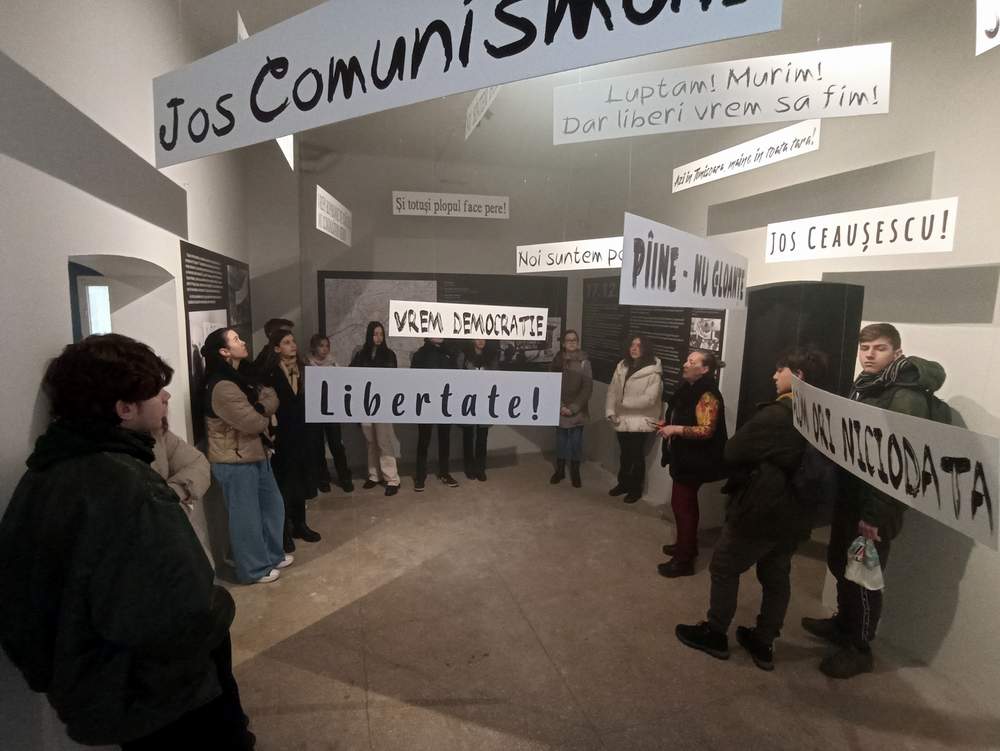

Expozitie REVOLUȚIA DE LA TIMIȘOARA DIN 15-22 DECEMBRIE 1989
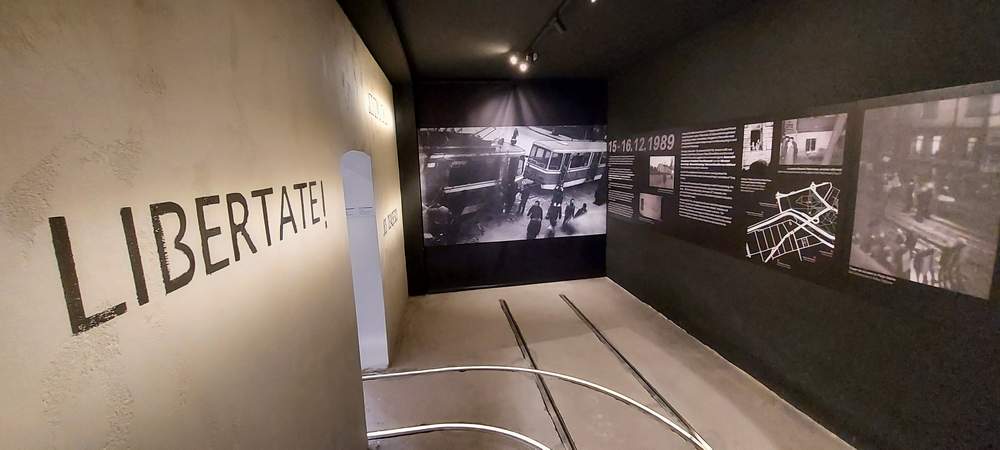
Expozitie REVOLUȚIA DE LA TIMIȘOARA DIN 15-22 DECEMBRIE 1989
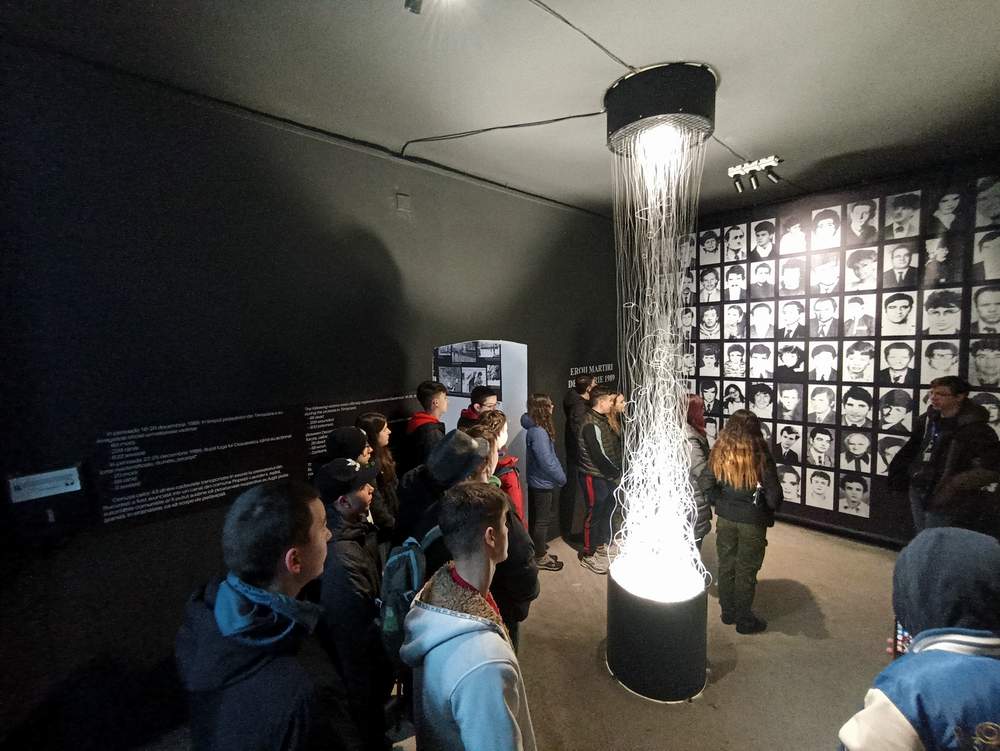

Expozitie REVOLUȚIA DE LA TIMIȘOARA DIN 15-22 DECEMBRIE 1989
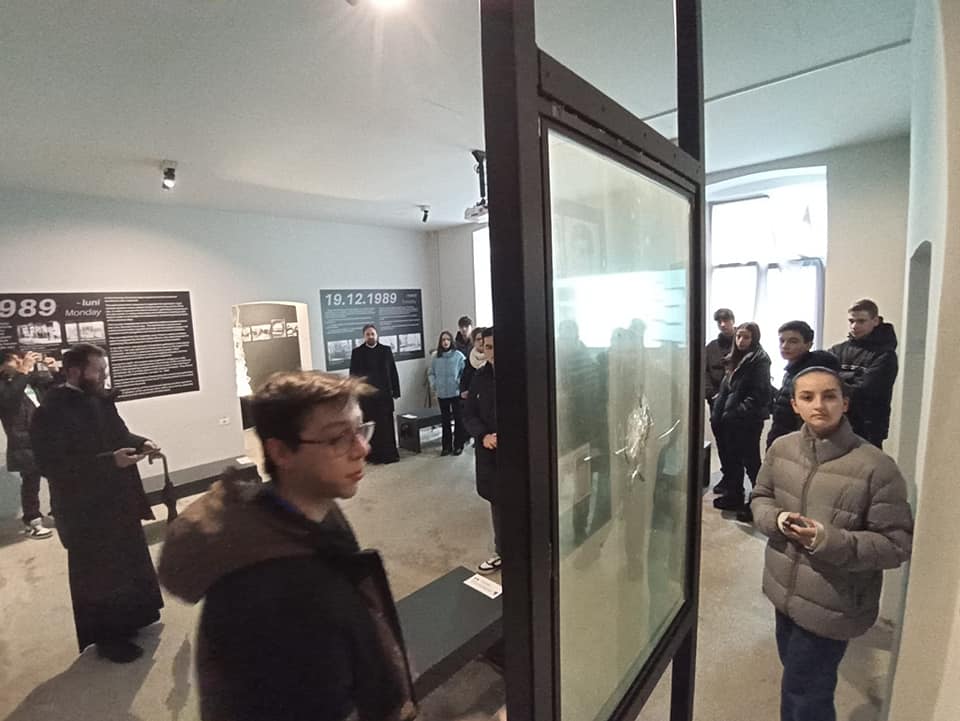
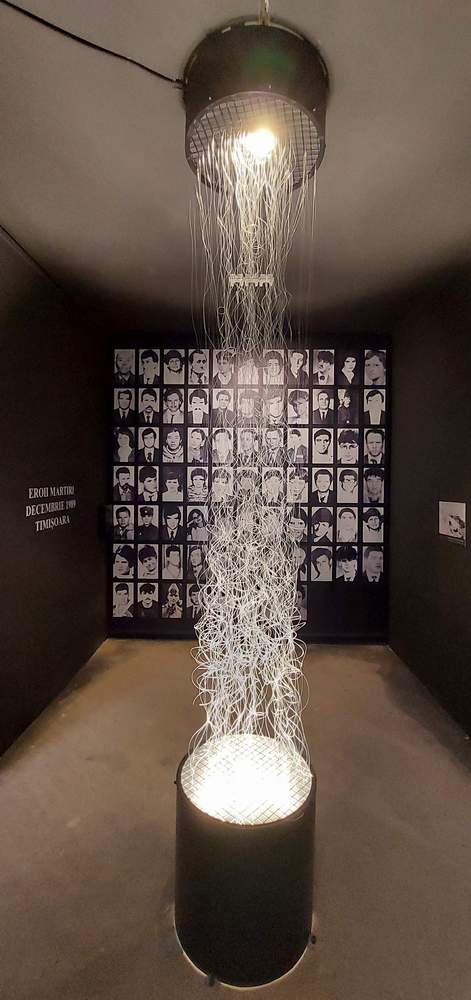
Expozitia REVOLUȚIA DE LA TIMIȘOARA DIN 15-22 DECEMBRIE 1989
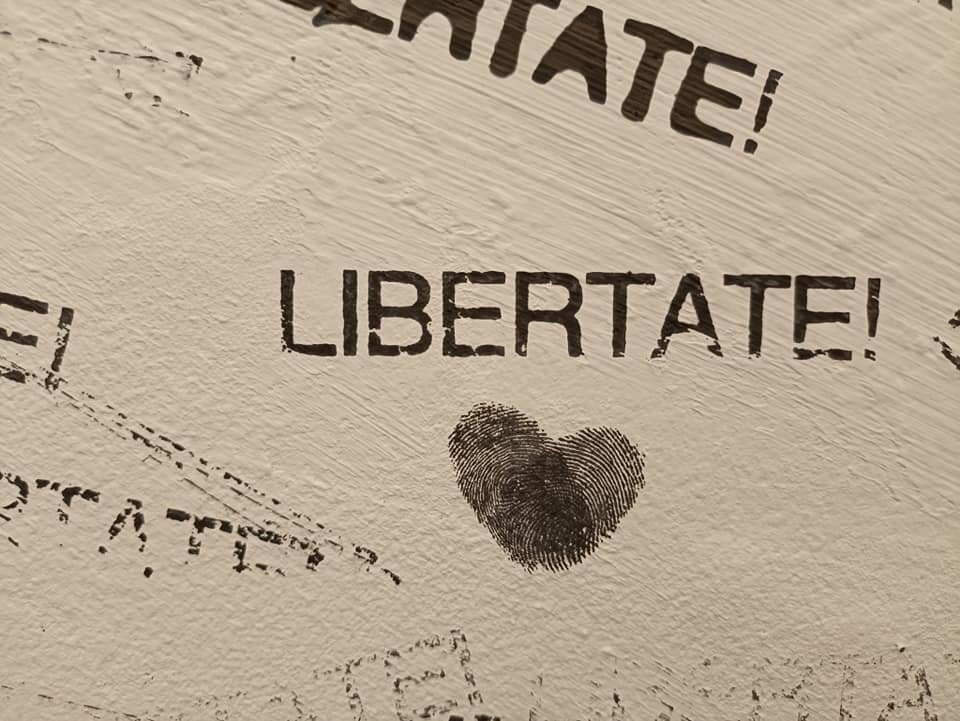
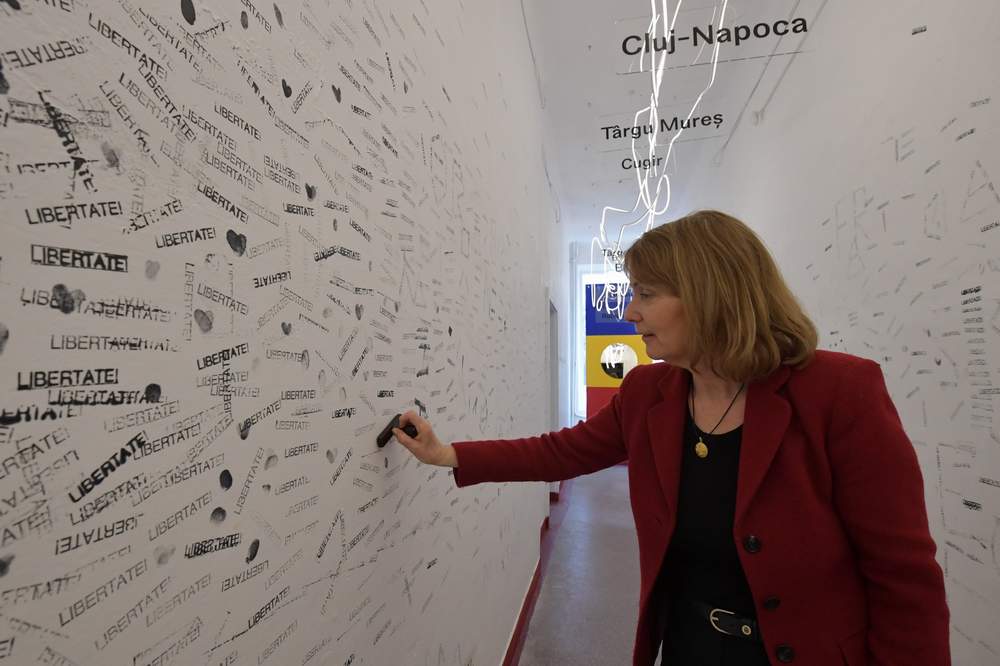
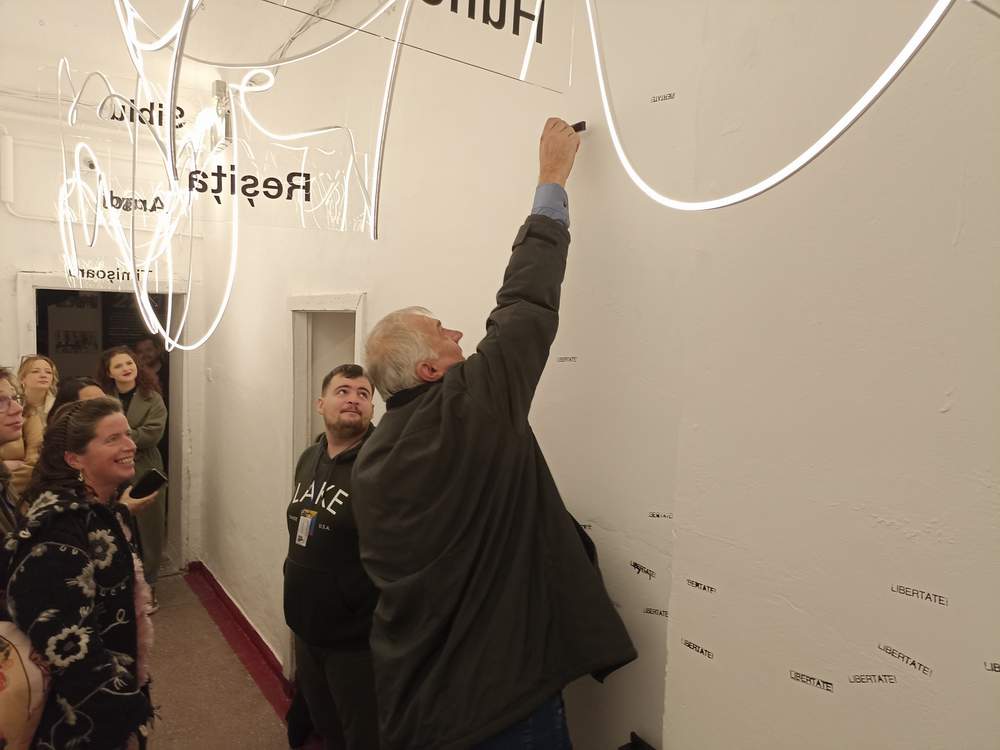
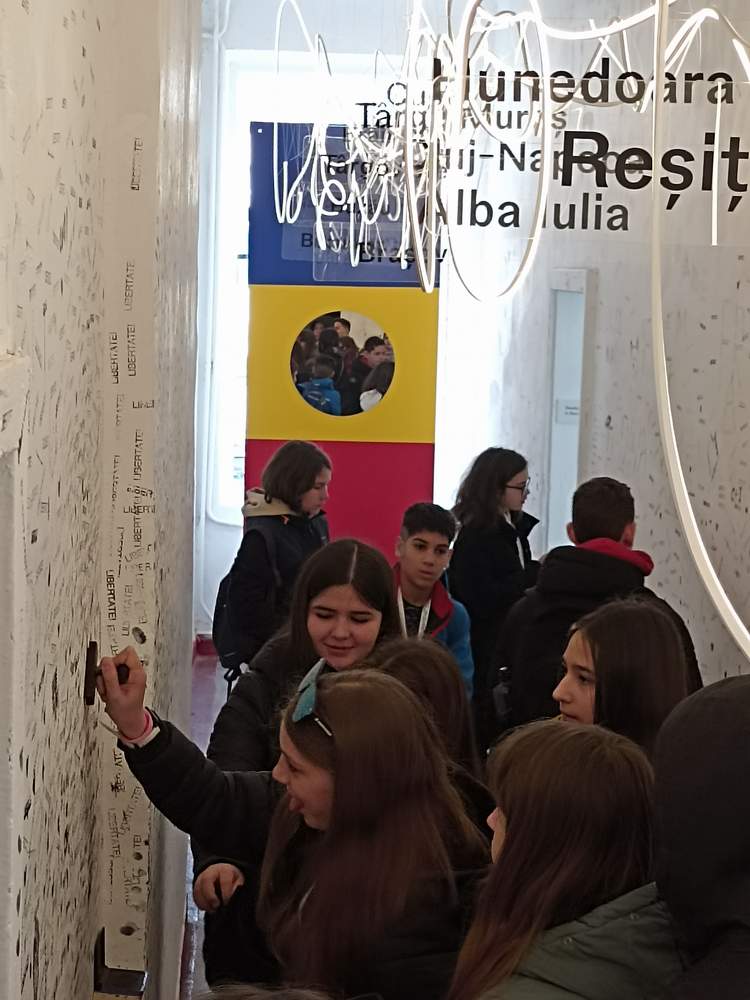
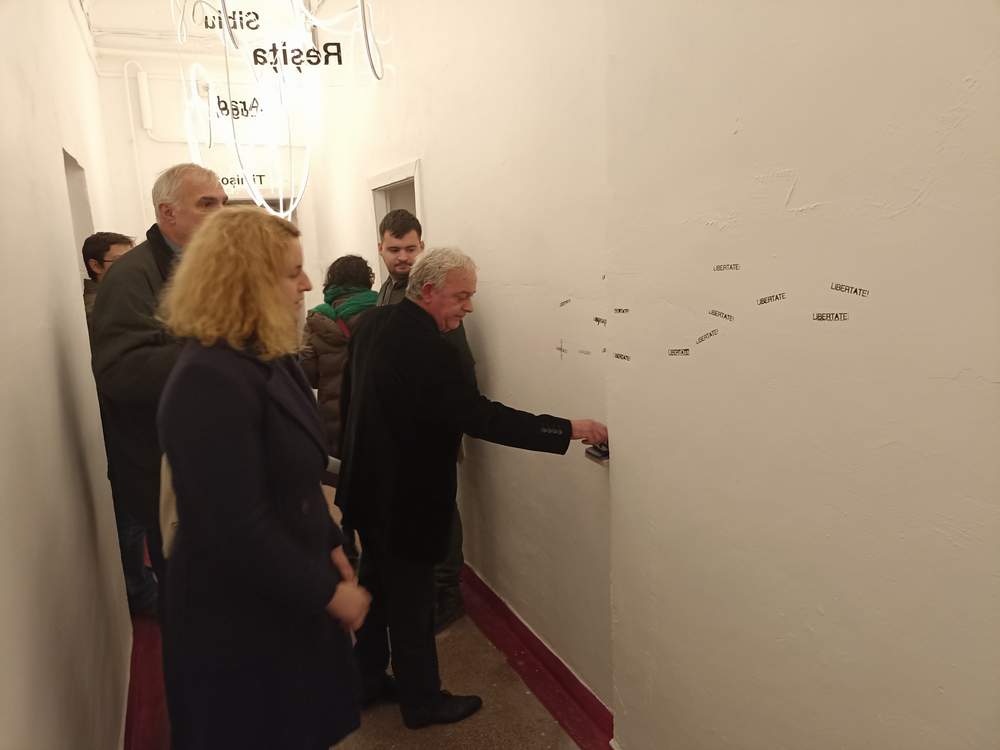
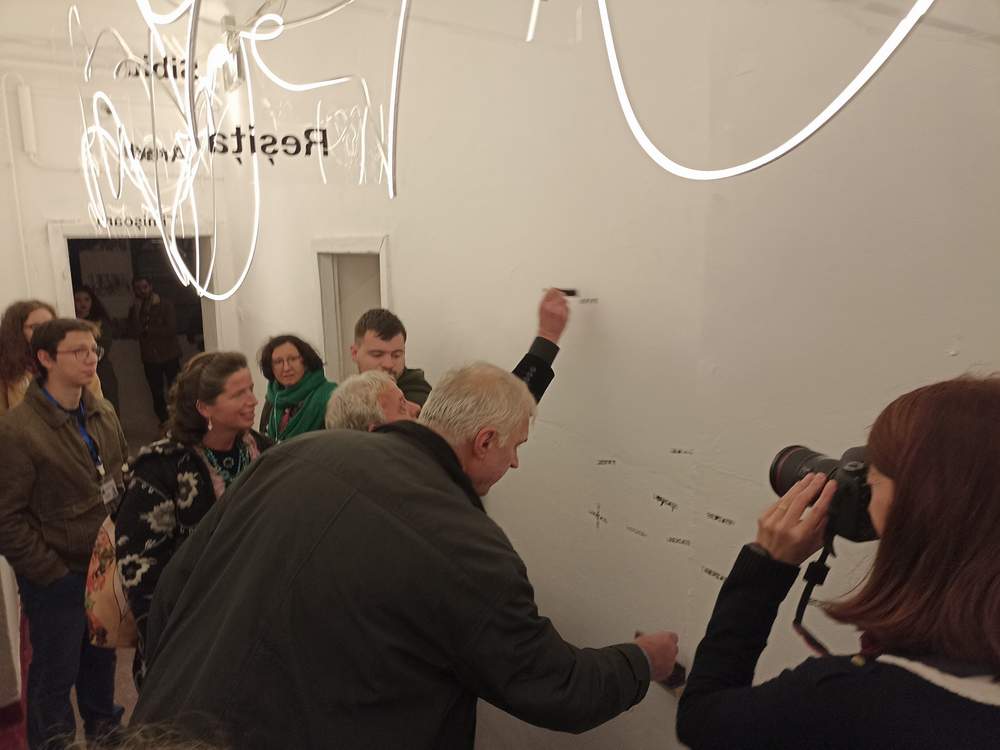
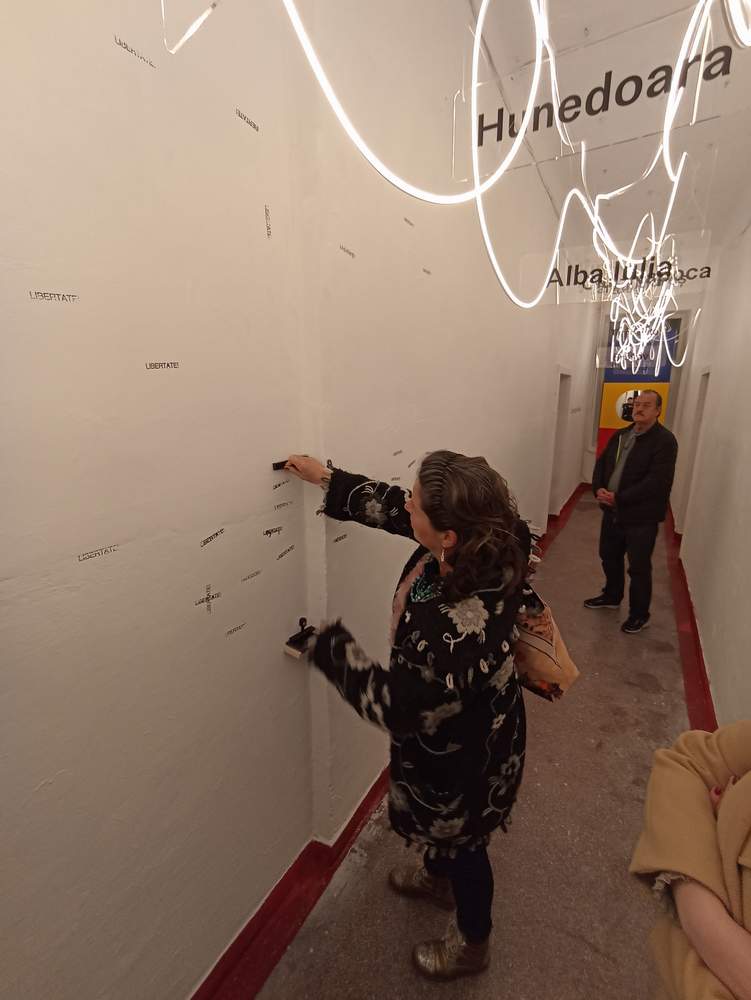
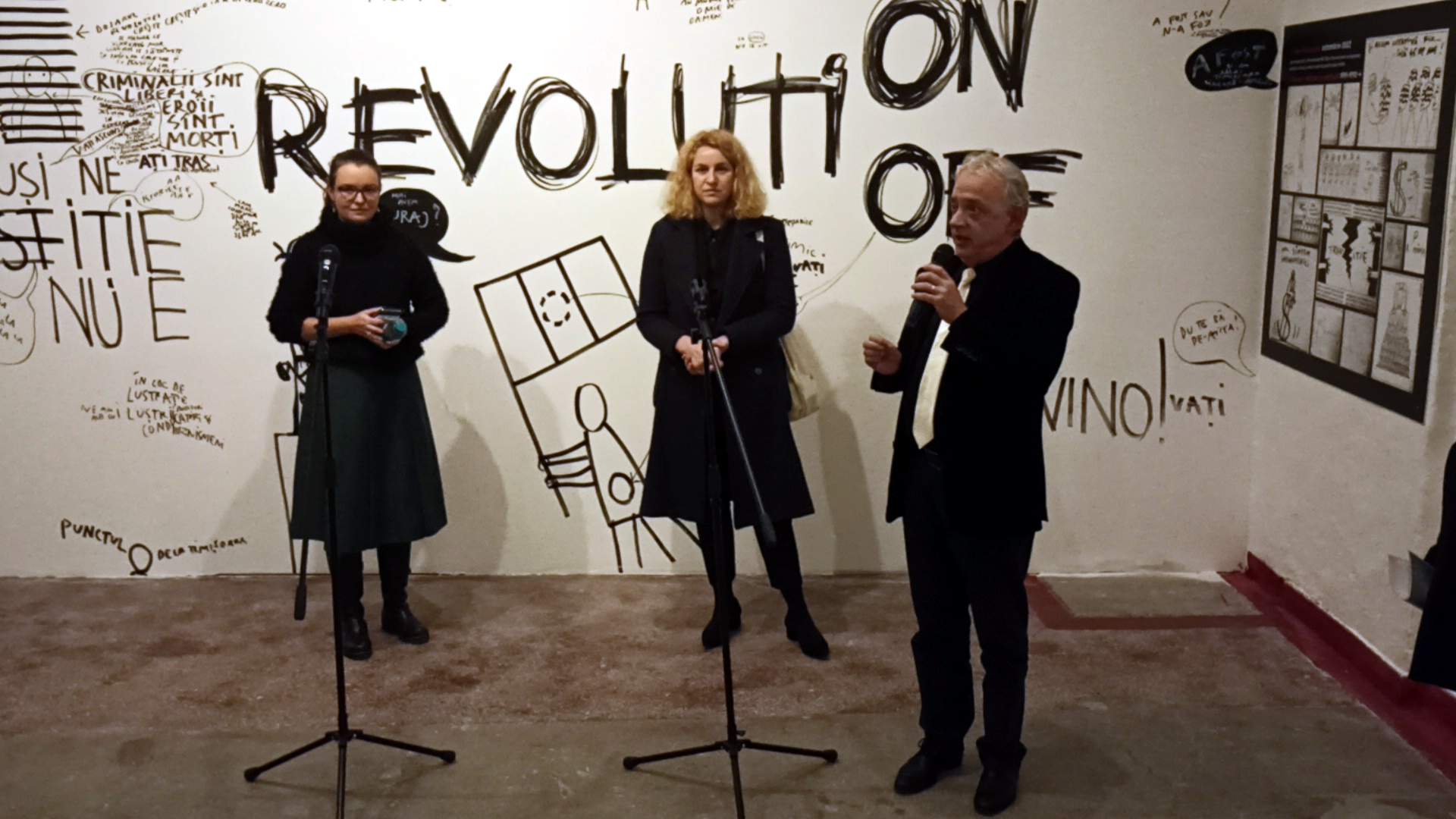
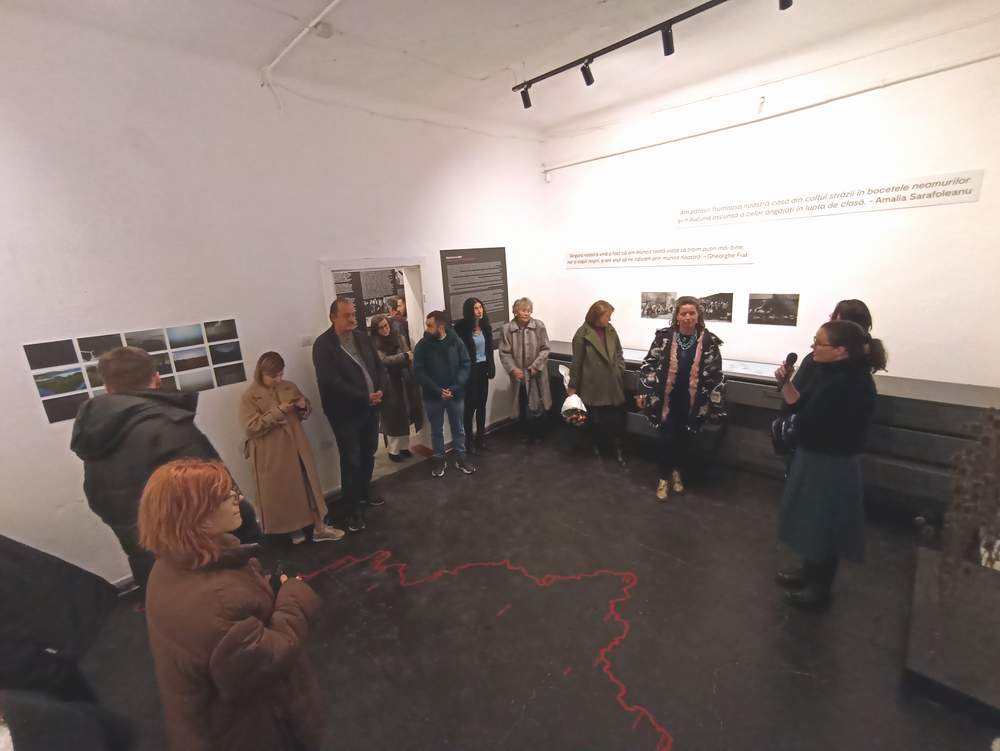
Vernisarea expoziției – eveniment „(r)evoluție? istorii trăite 1945-1989-2022
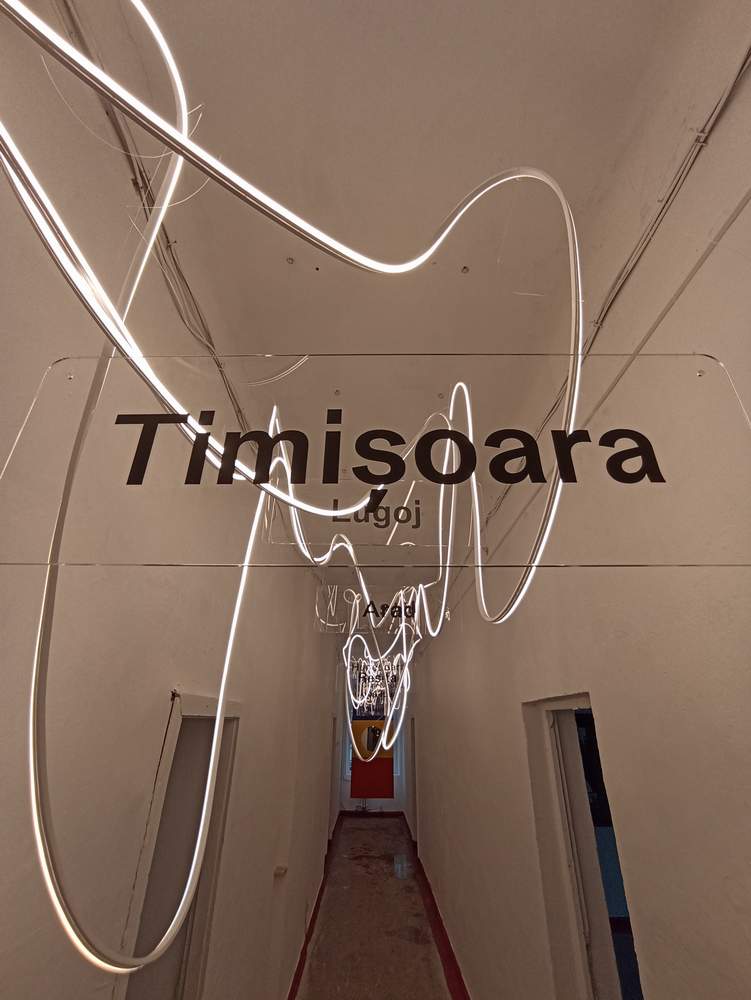
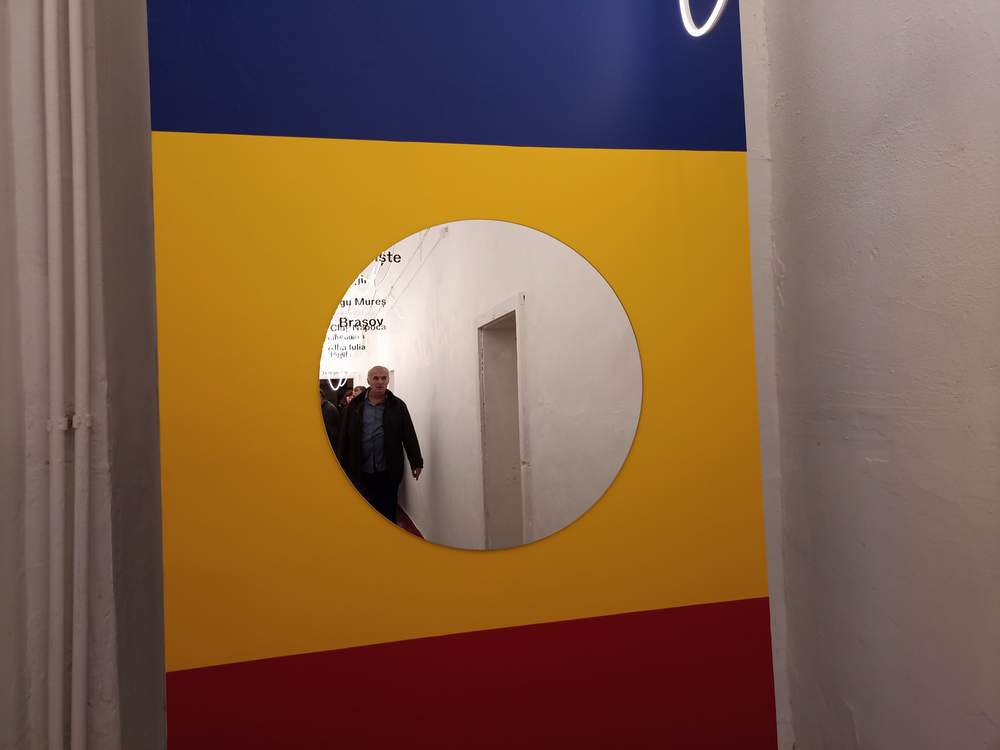
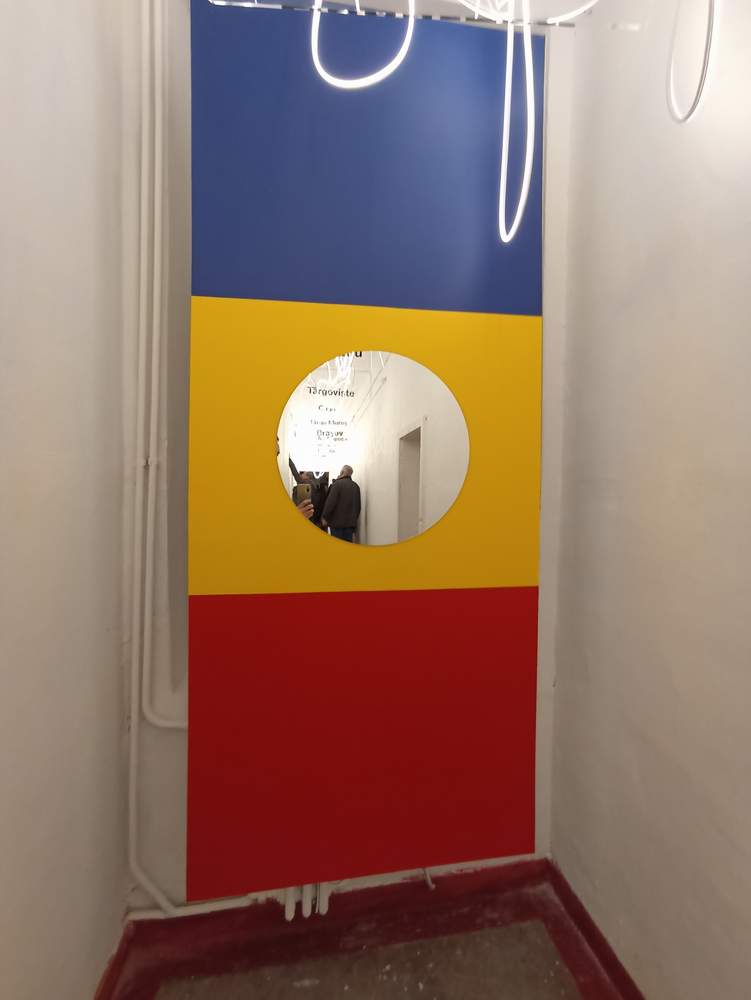
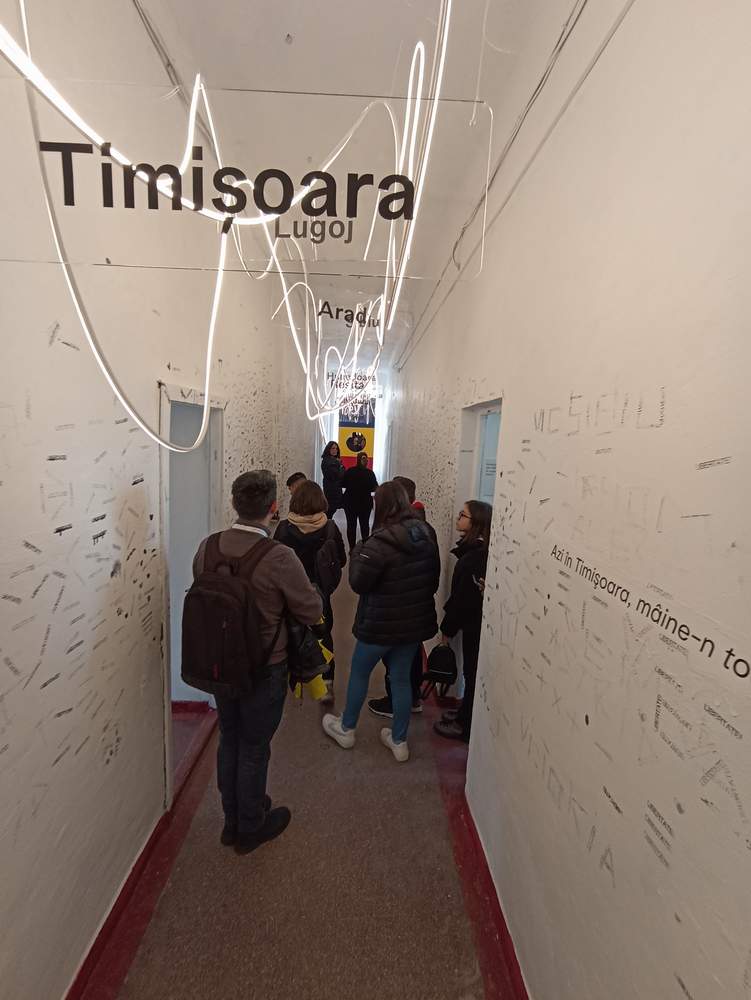
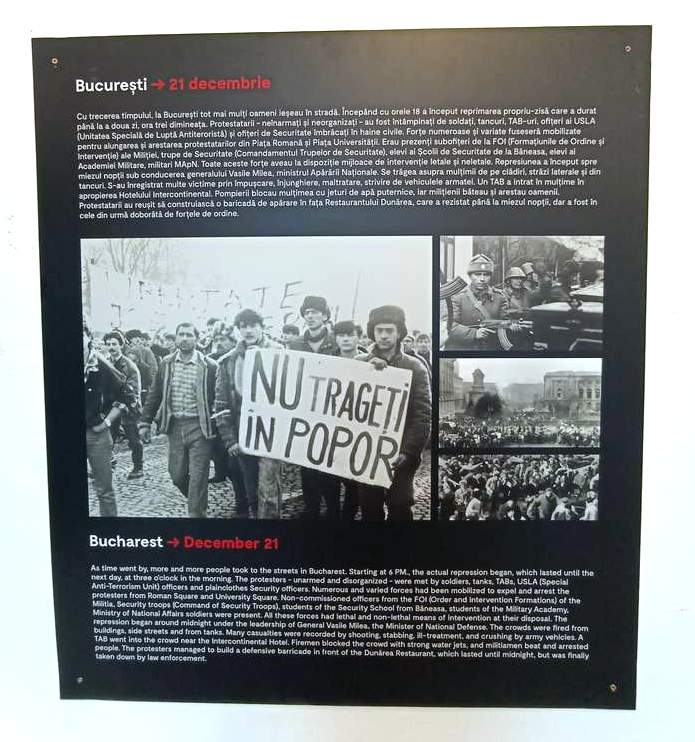
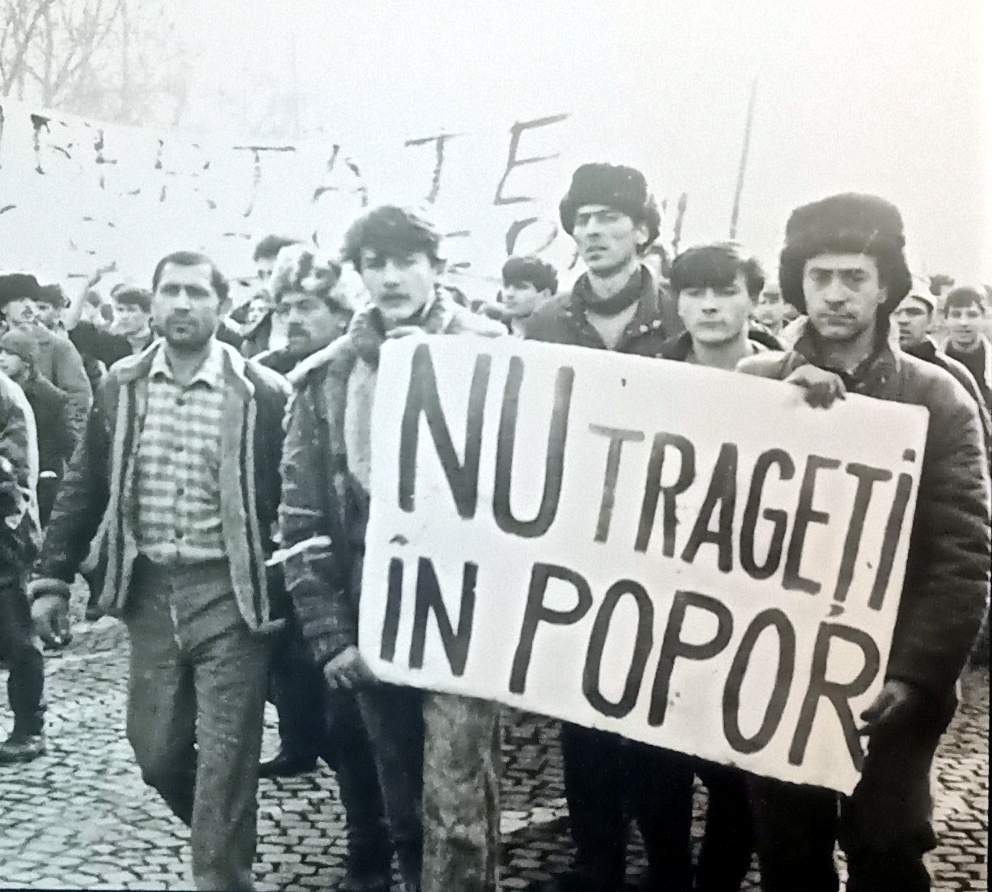
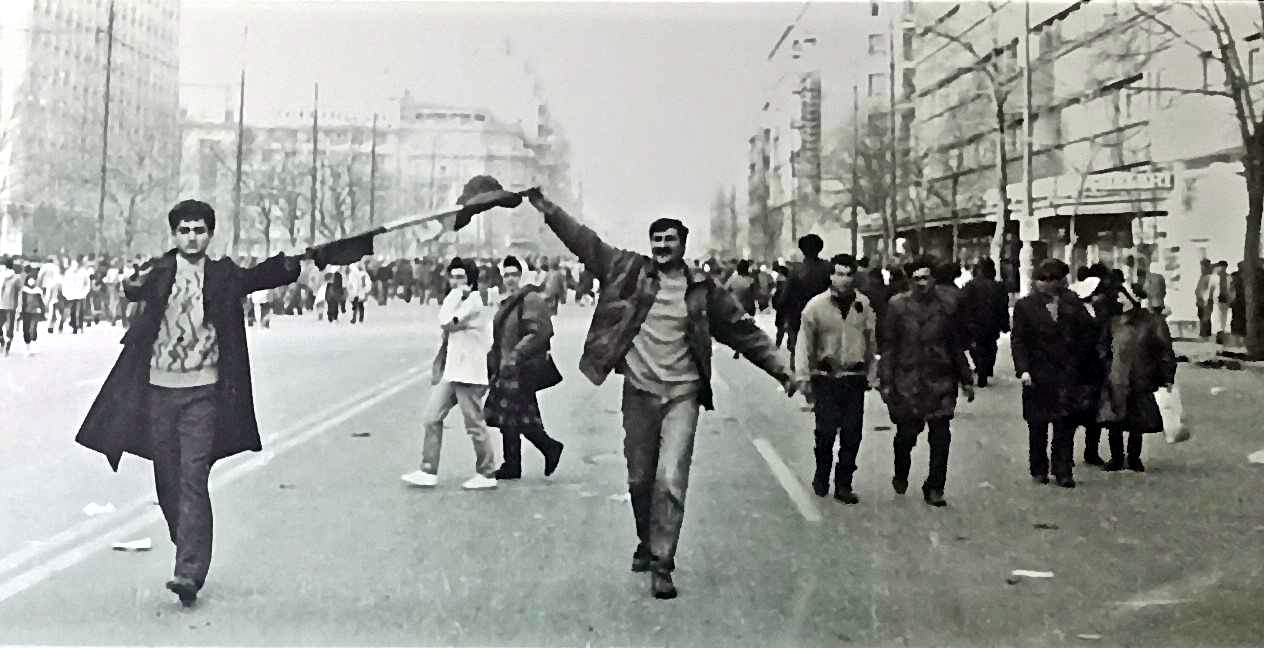
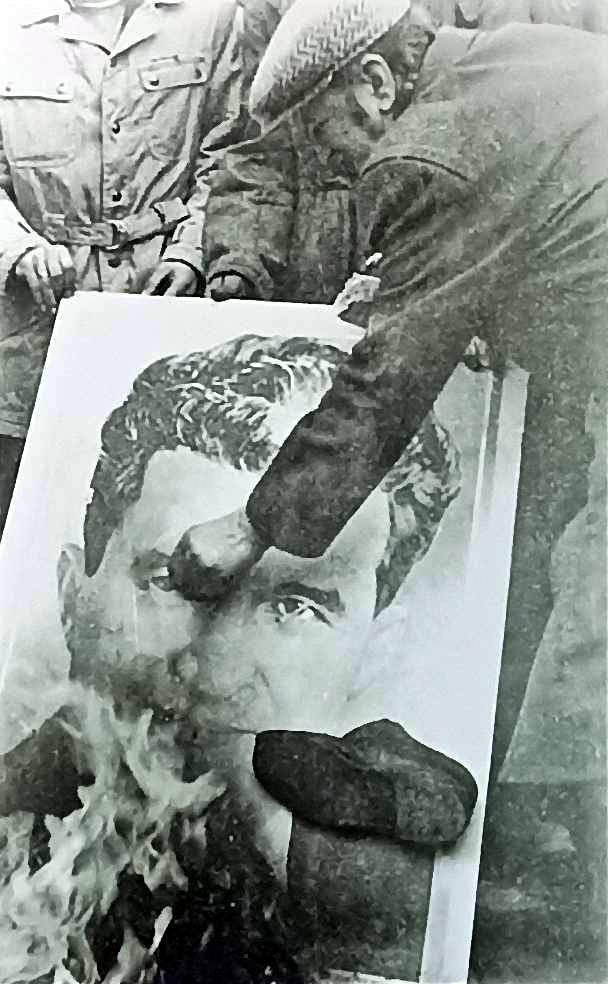
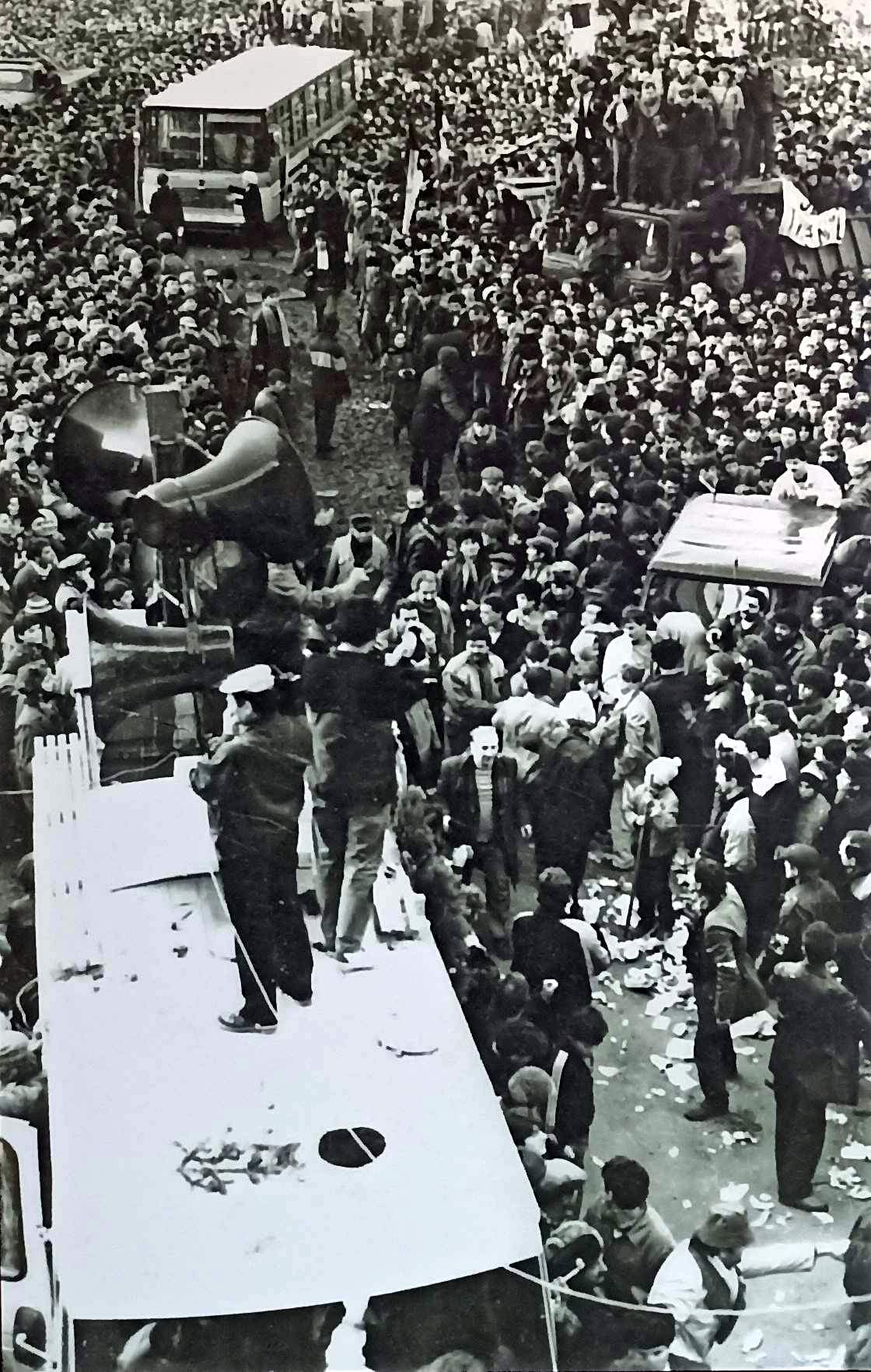
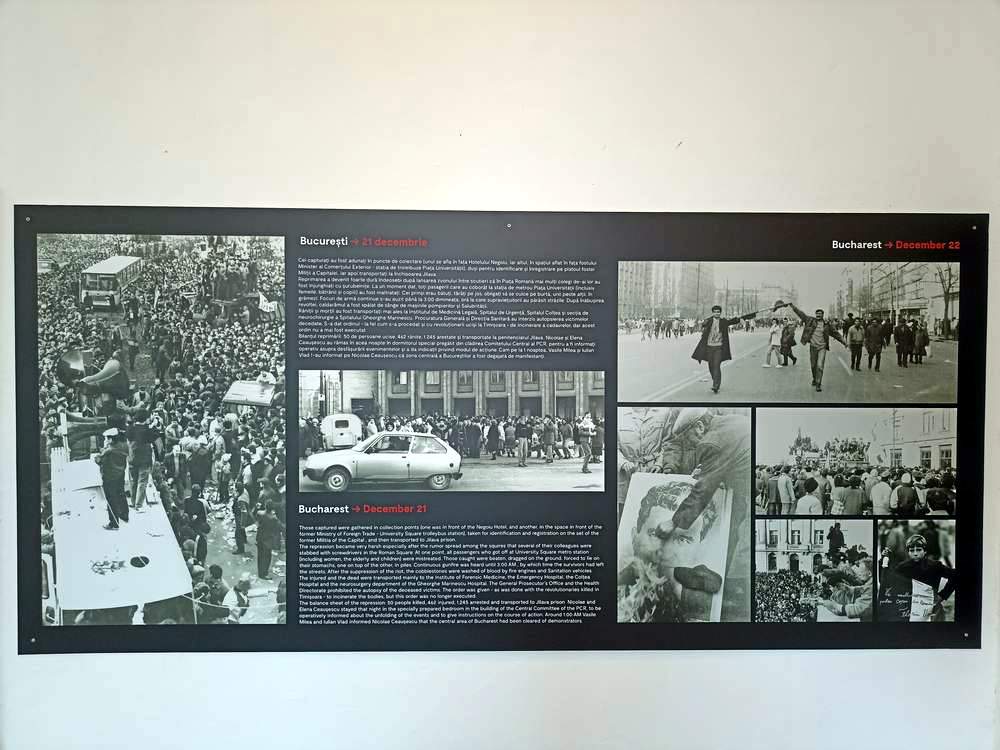
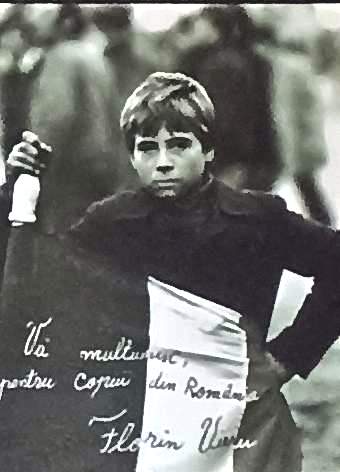
The Exhibition “The Revolution in Bucharest”
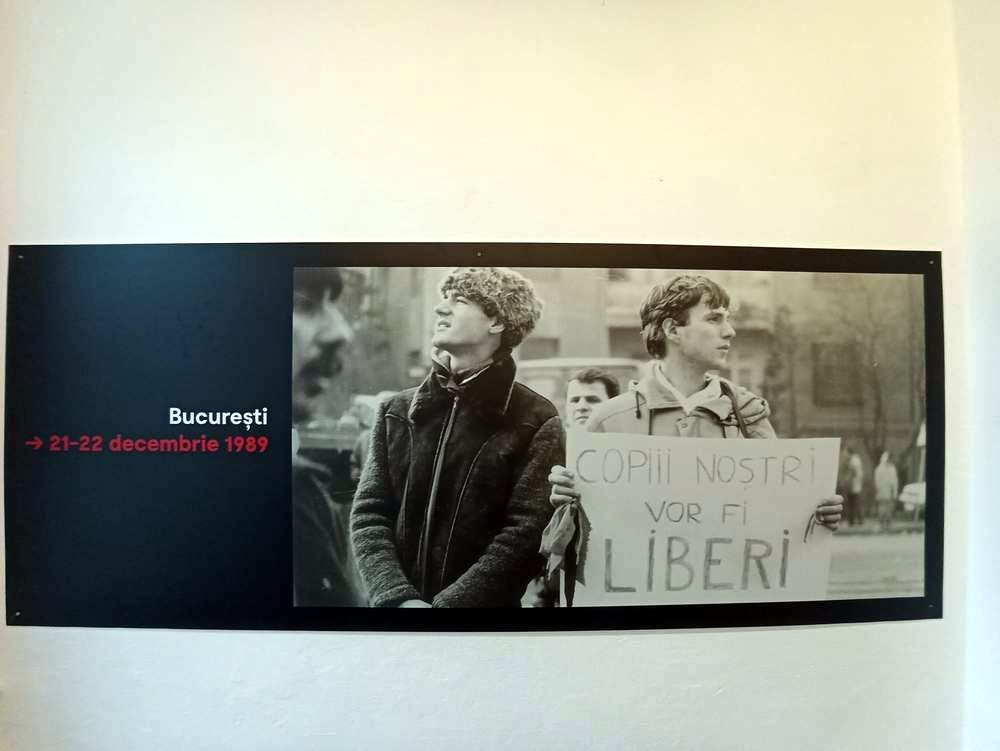
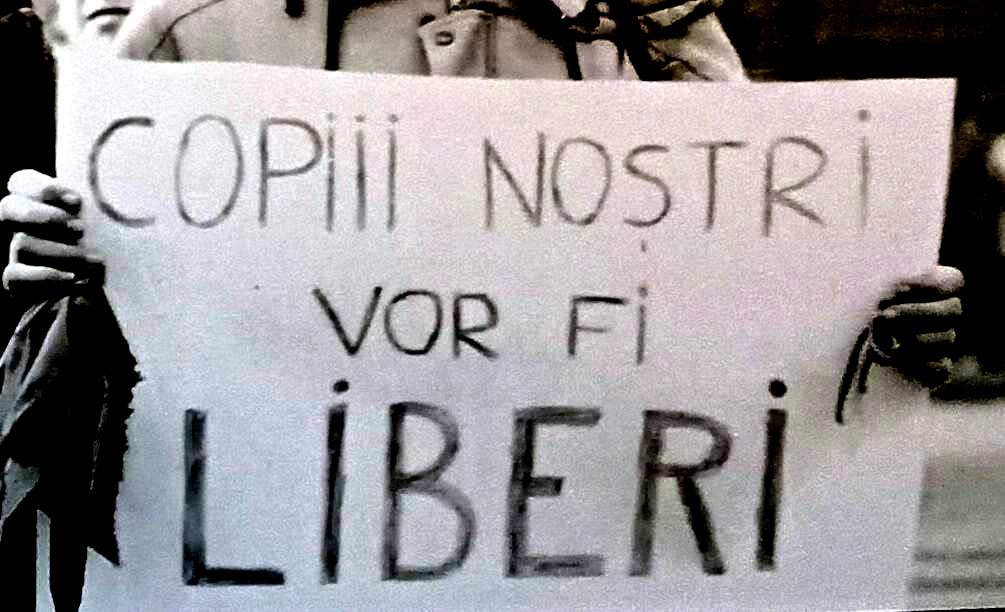
The exhibition “The Revolution in Bucharest” presents photographs and information related to the Revolution in Bucharest. The dictator’s escape by helicopter, along with other footage from Bucharest, can be viewed on a television set located in this room.
The Exhibition “The Revolution in Other Martyr Cities of Romania”
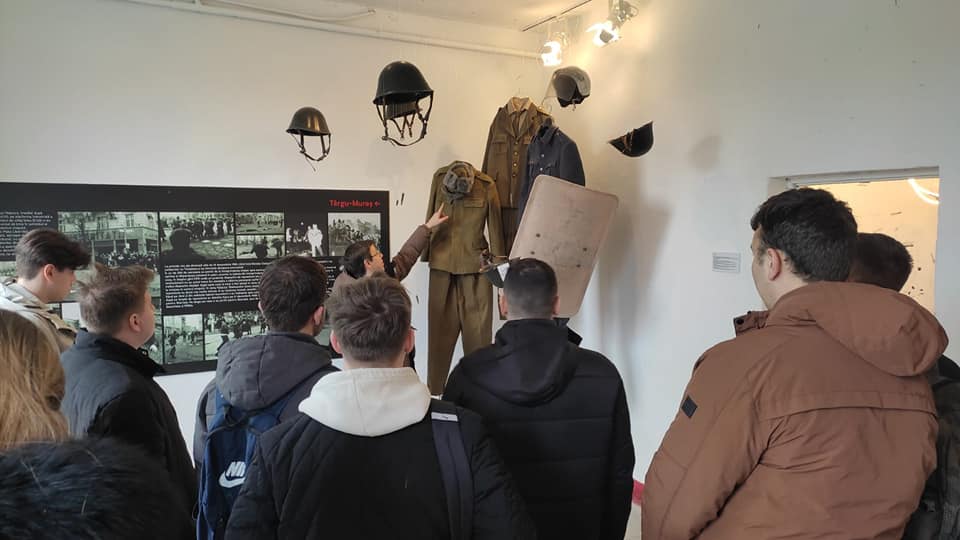
The exhibition “The Revolution in Other Martyr Cities of Romania” presents photographs and information related to the spread of the Revolution to other cities across Romania.
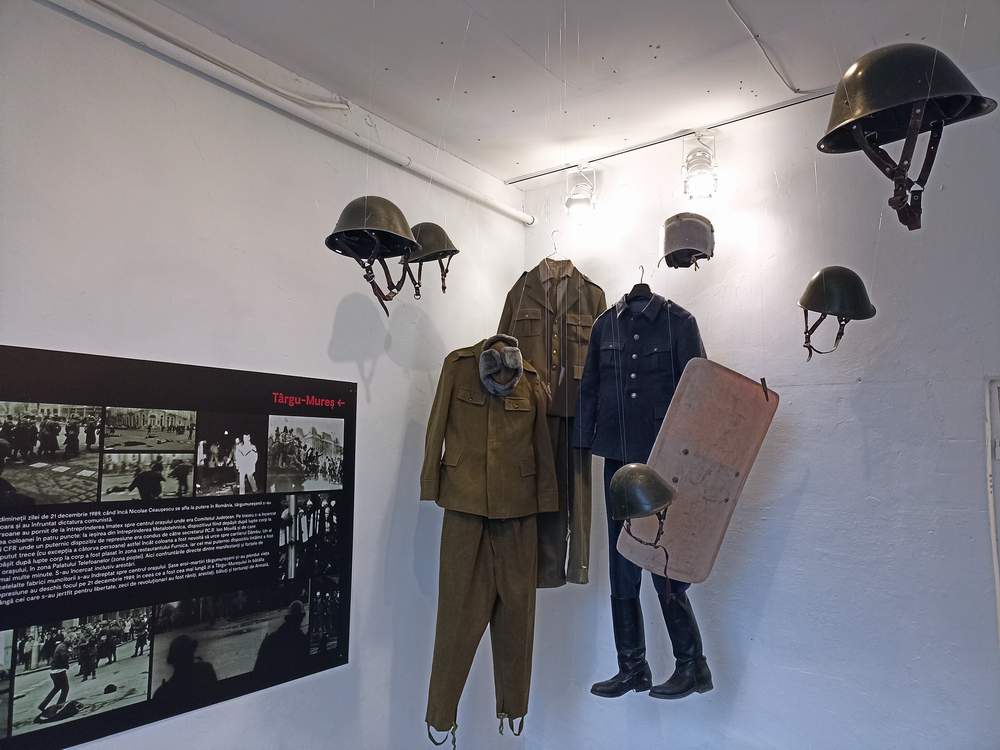
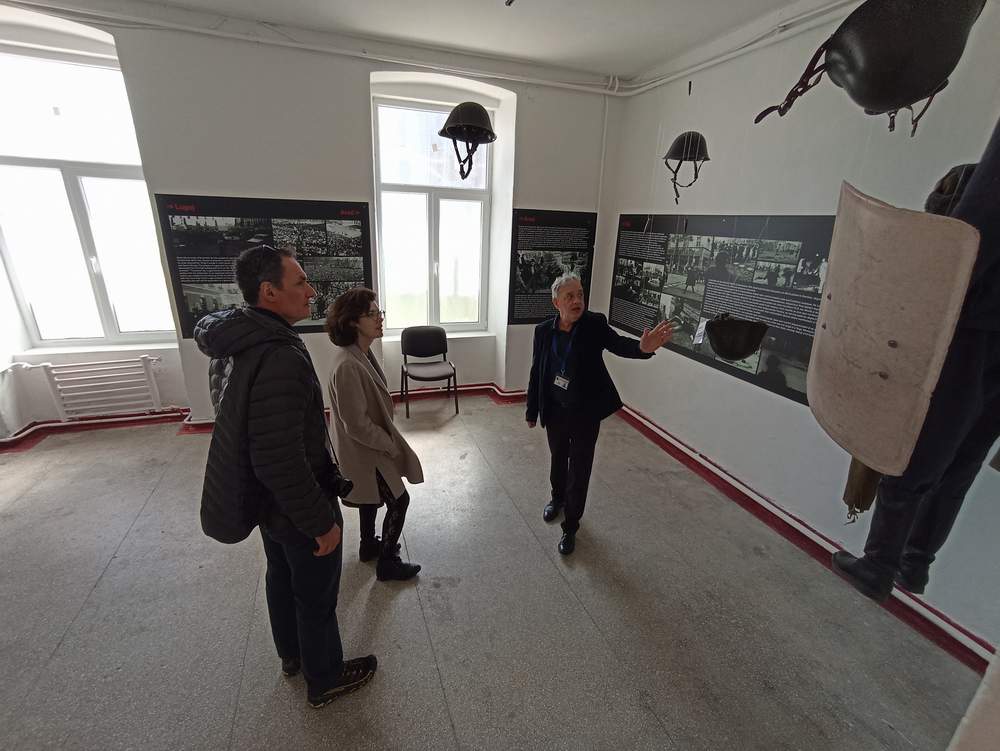
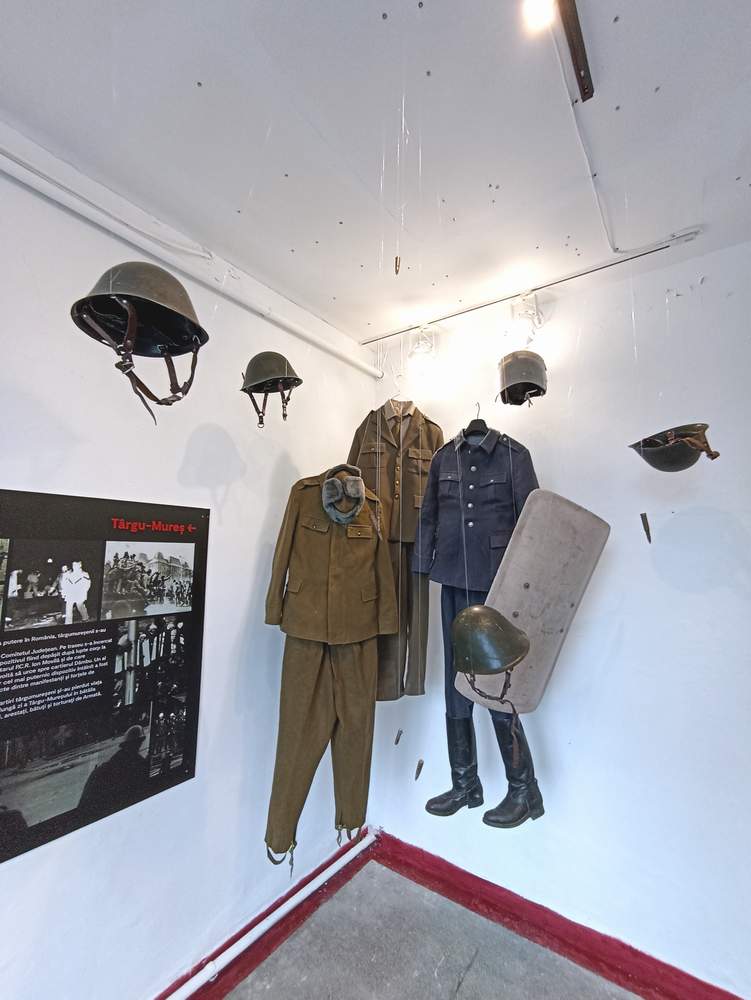
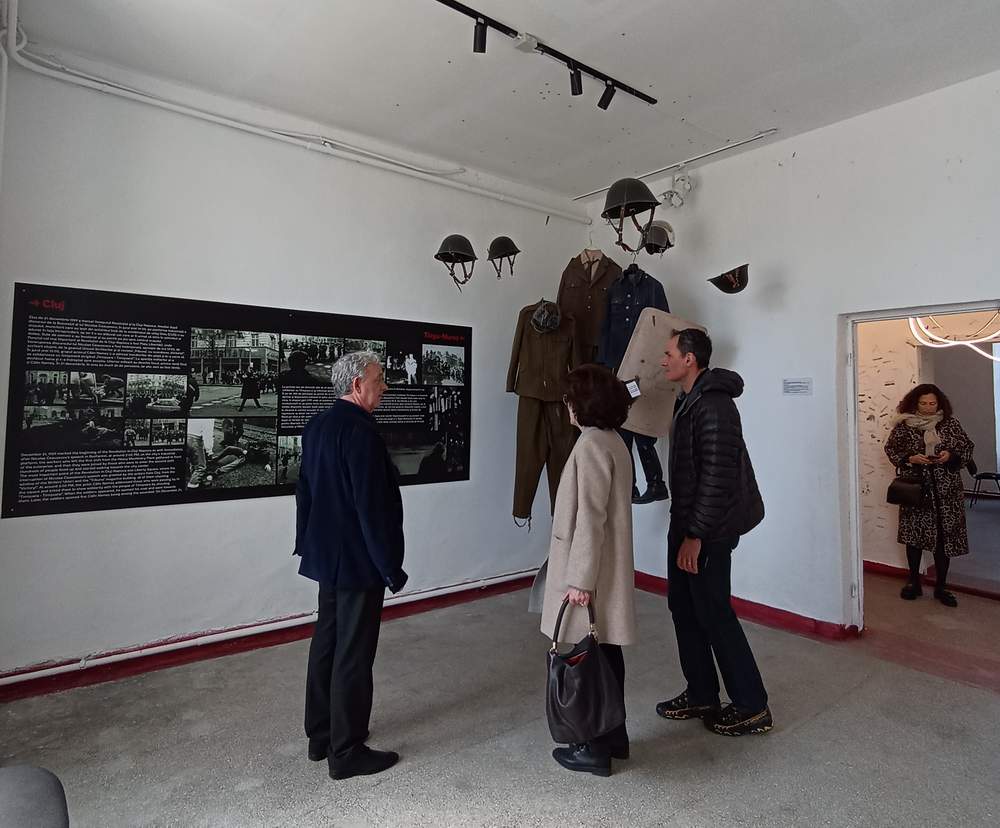
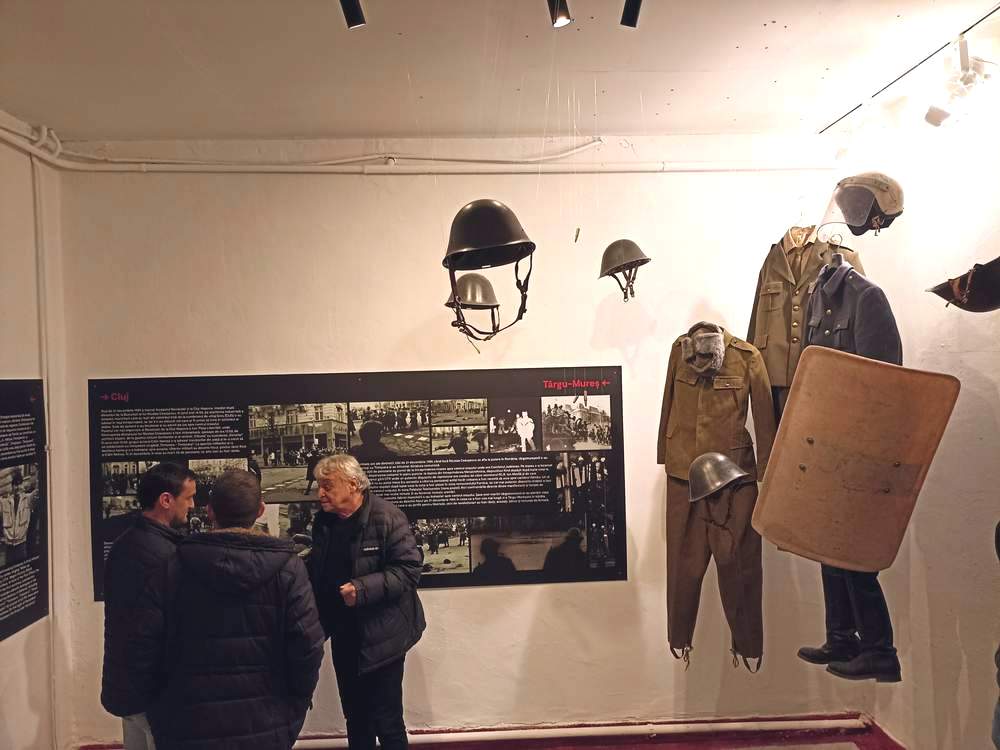
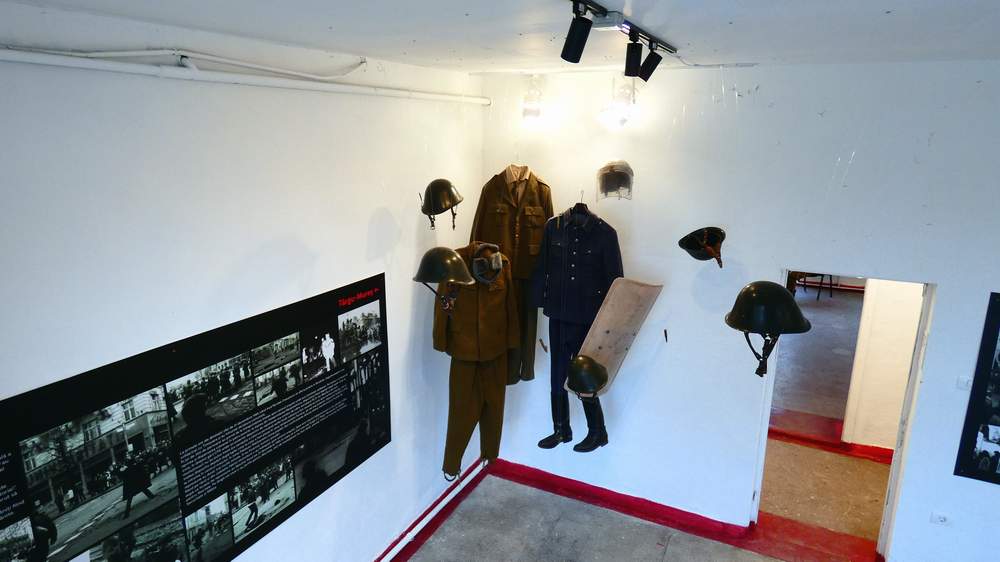
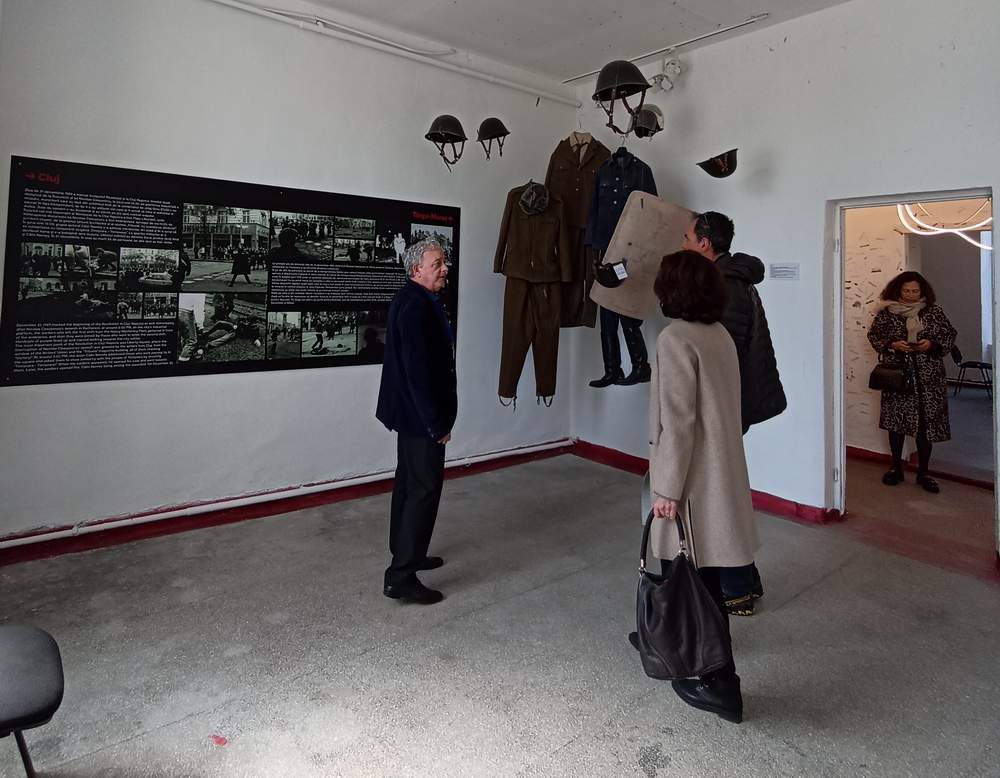
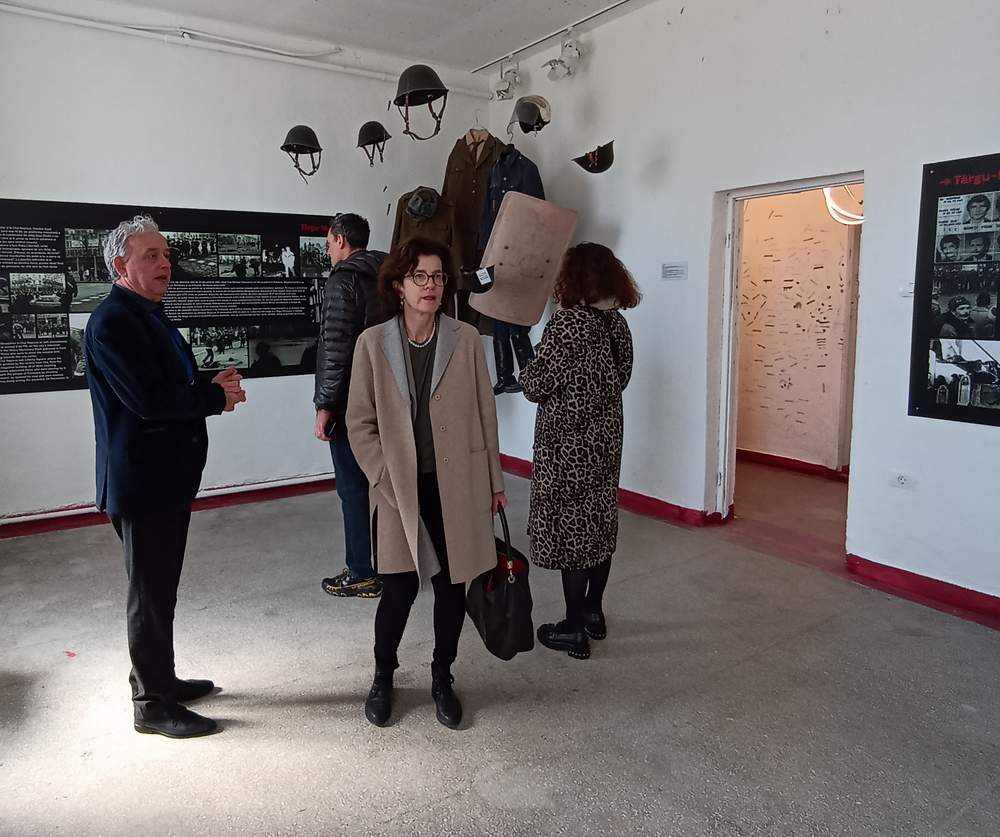
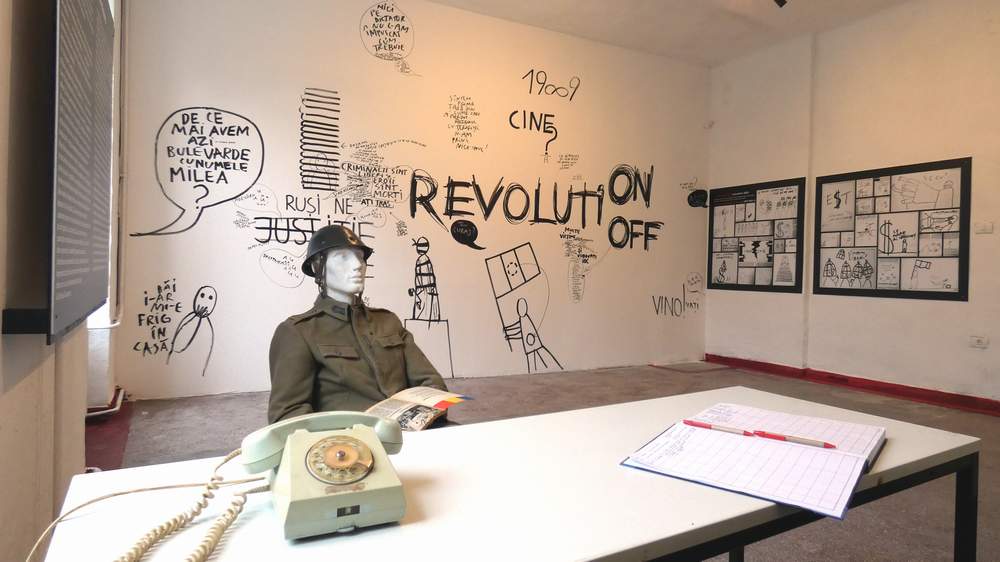
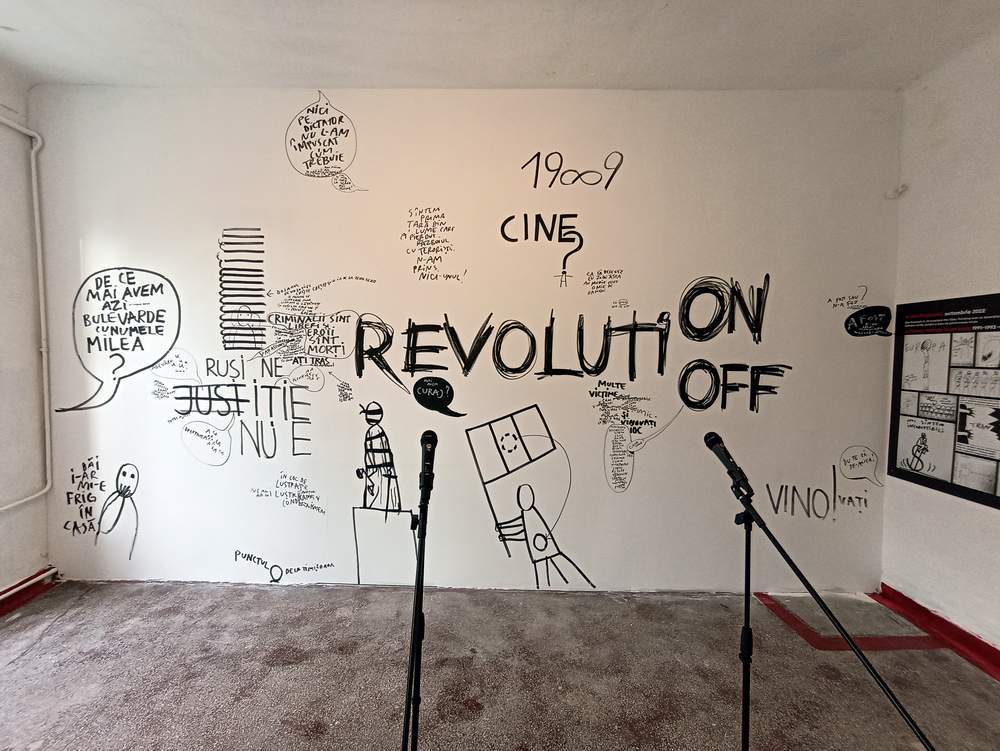
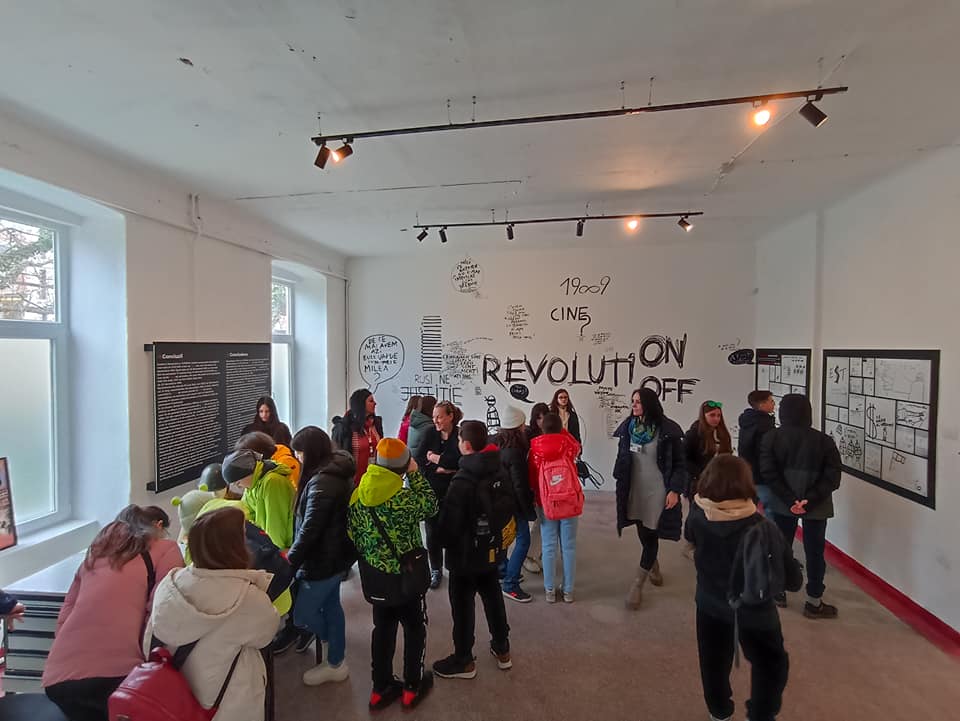
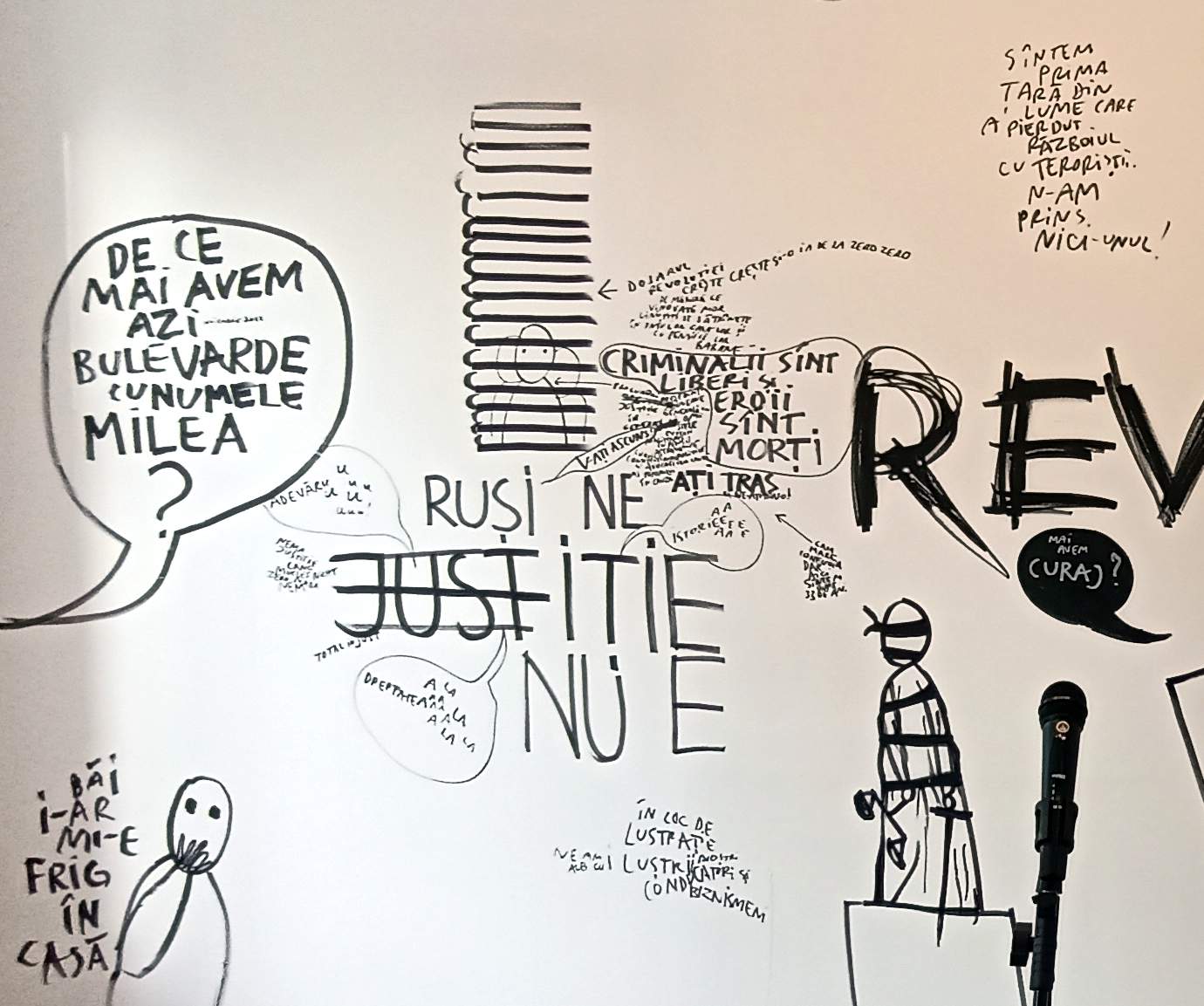
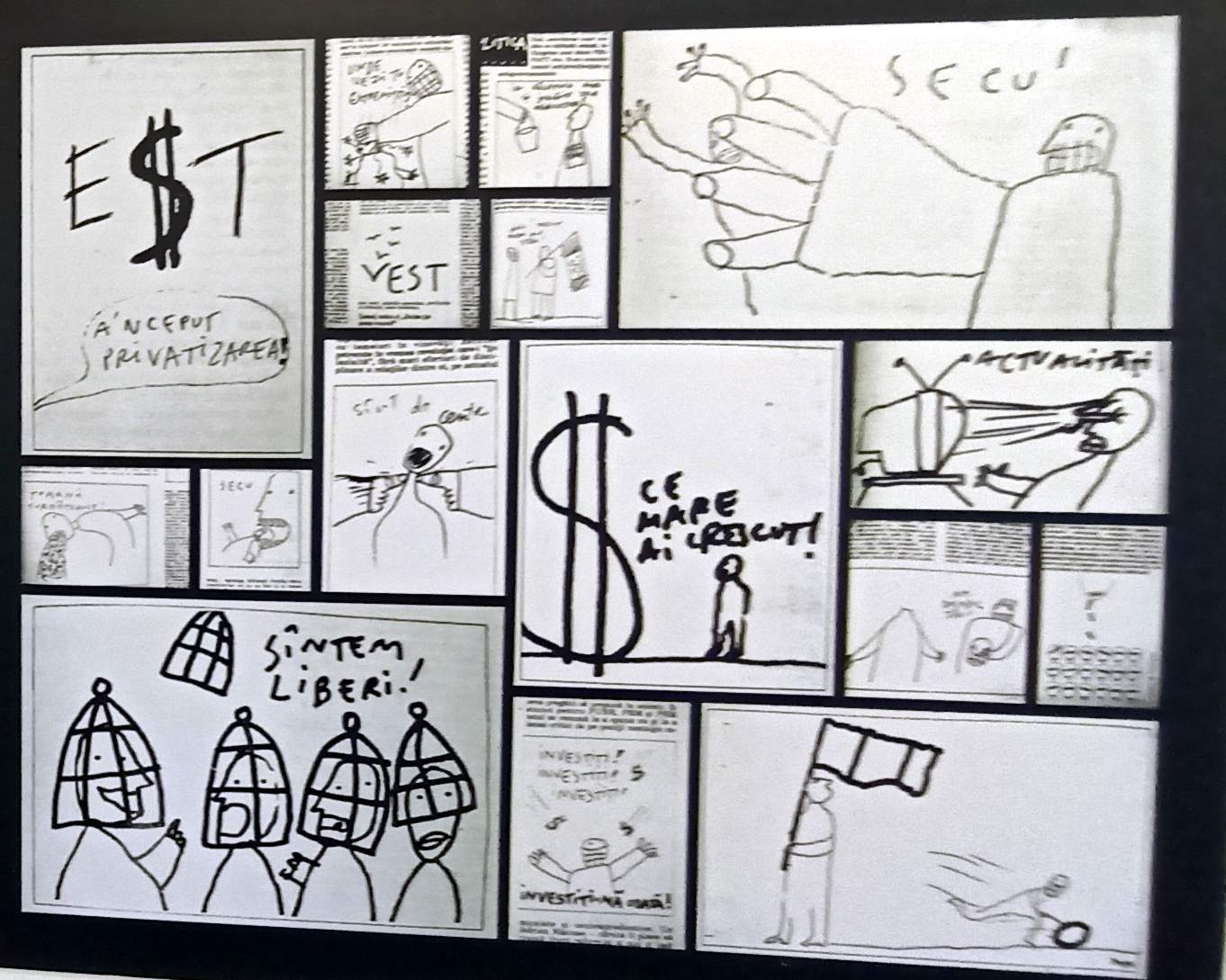
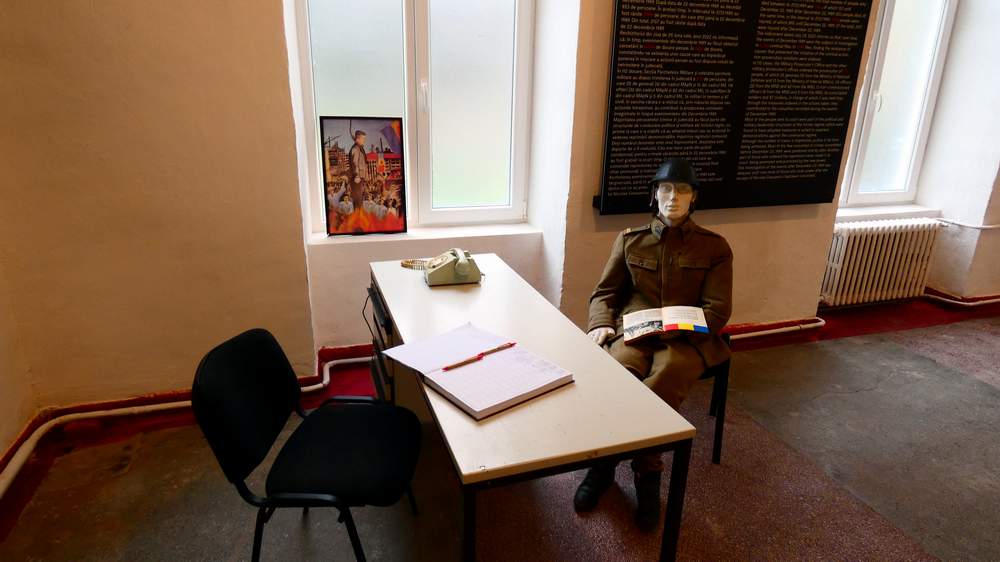
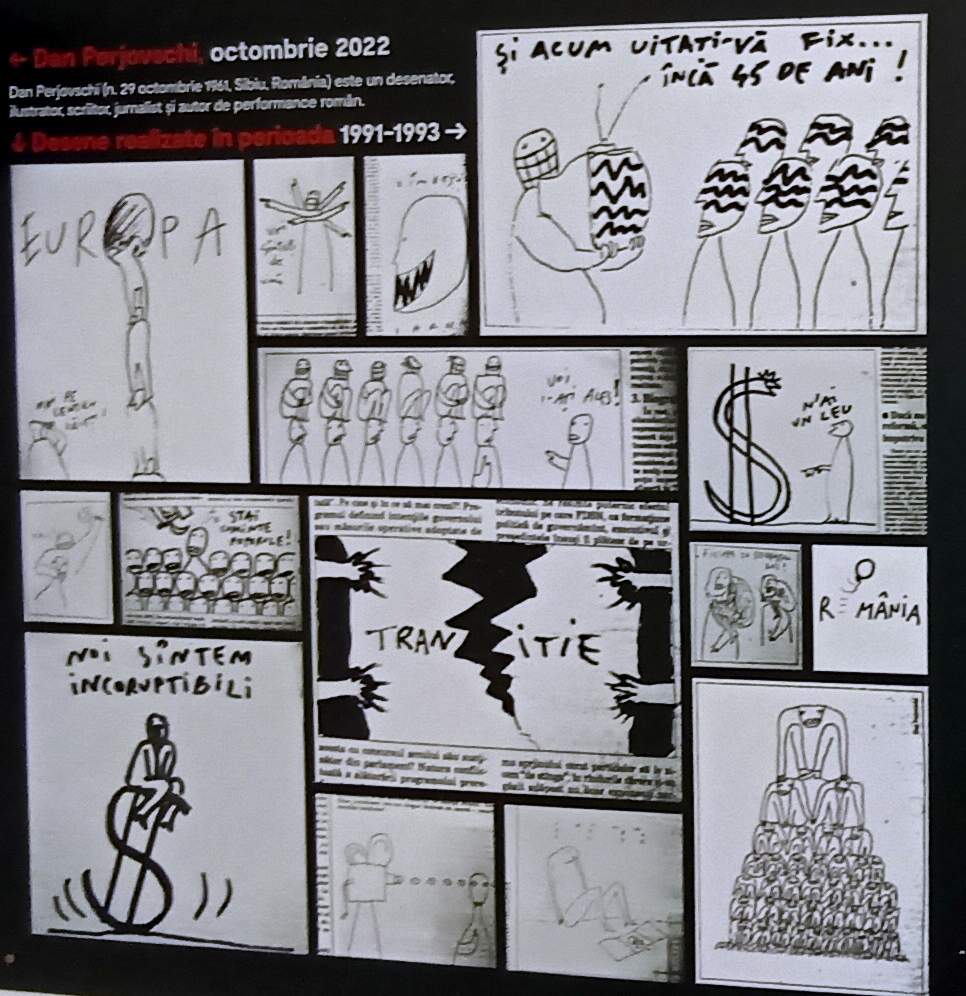
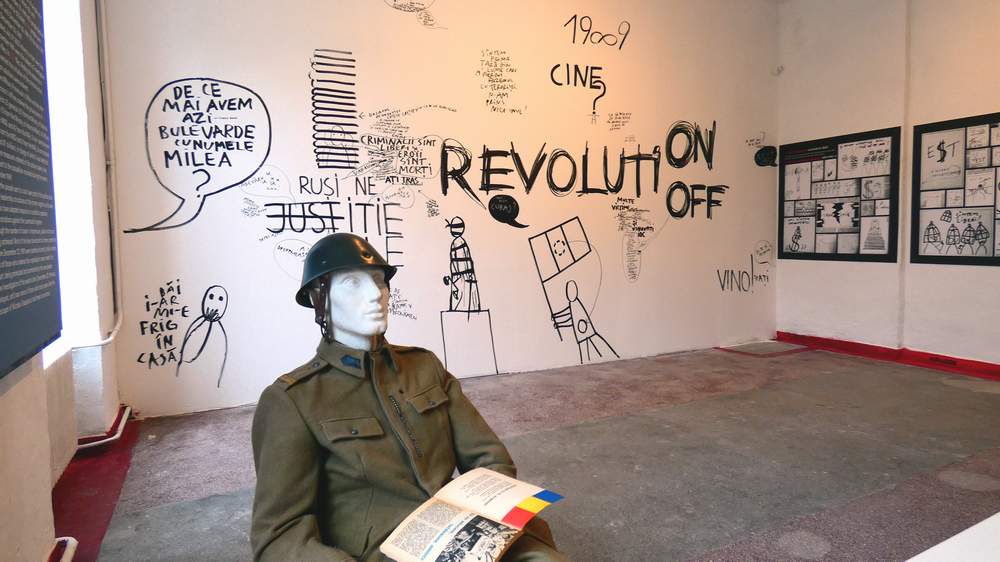
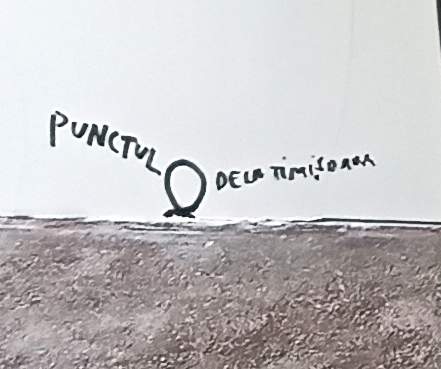
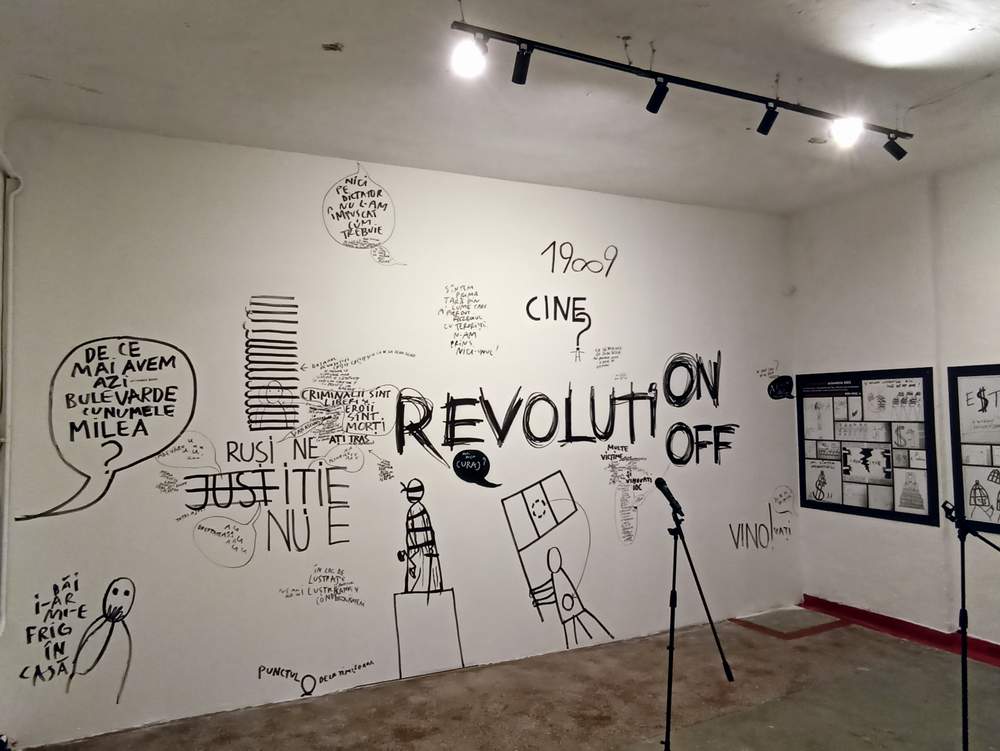
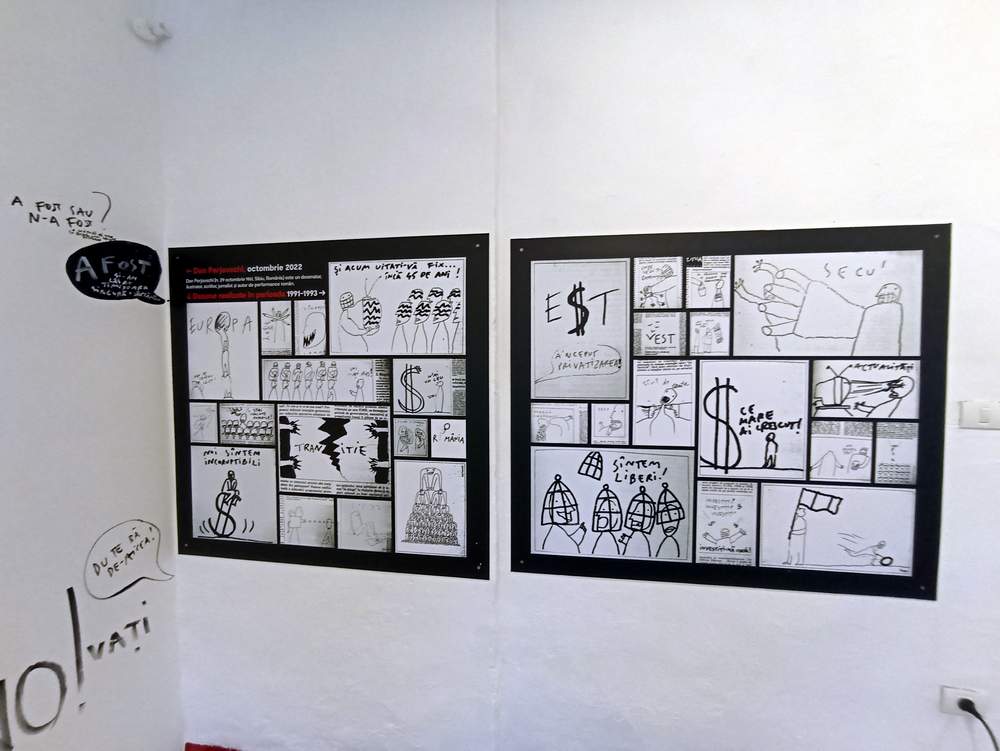
The Exhibition “Justice and Truth = Manipulation” The exhibition “Justice and Truth = Manipulation” explores the way in which the court administered justice, presenting the series of trials related to the Revolution. The exhibition also features a caricature panel created by the artist Dan Perjovschi.
Documentary Photography Exhibition
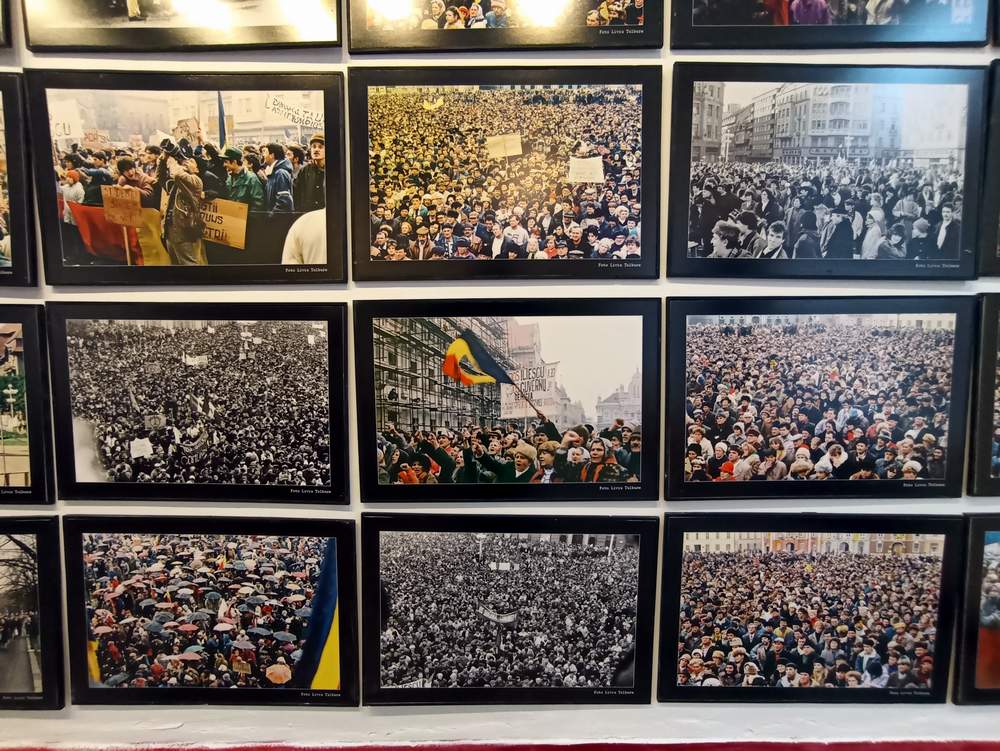
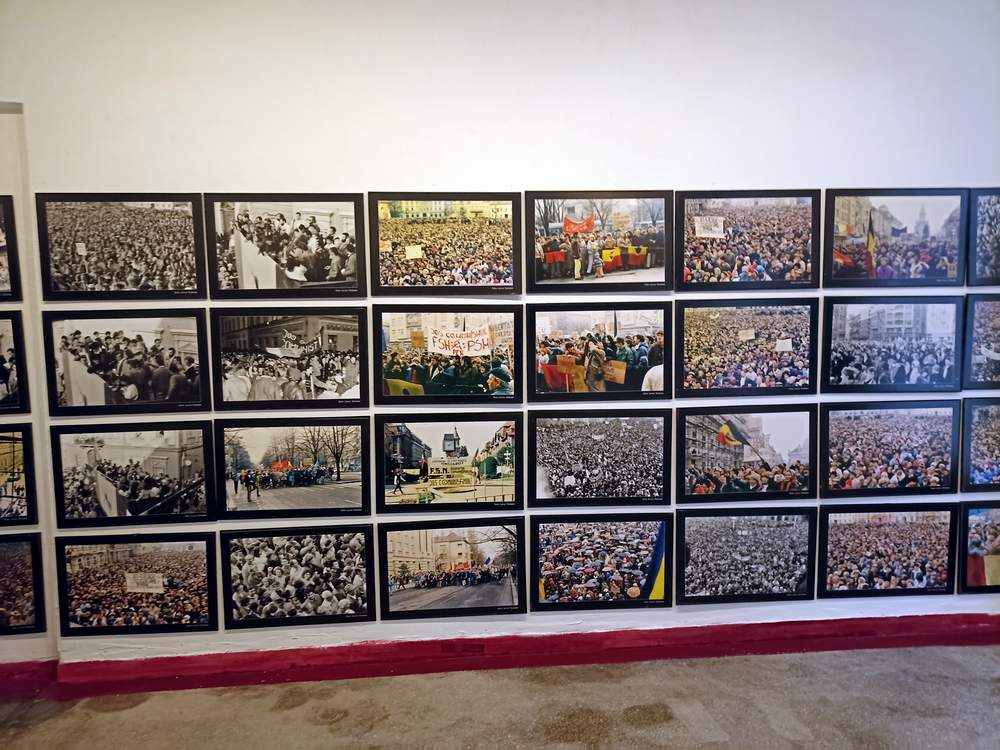
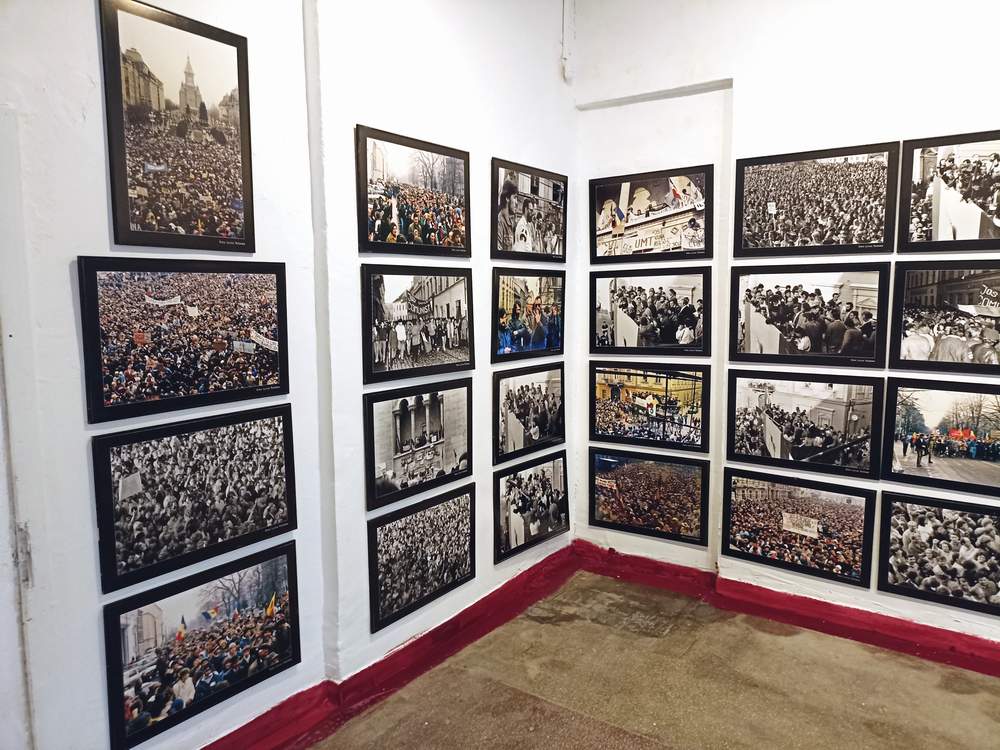
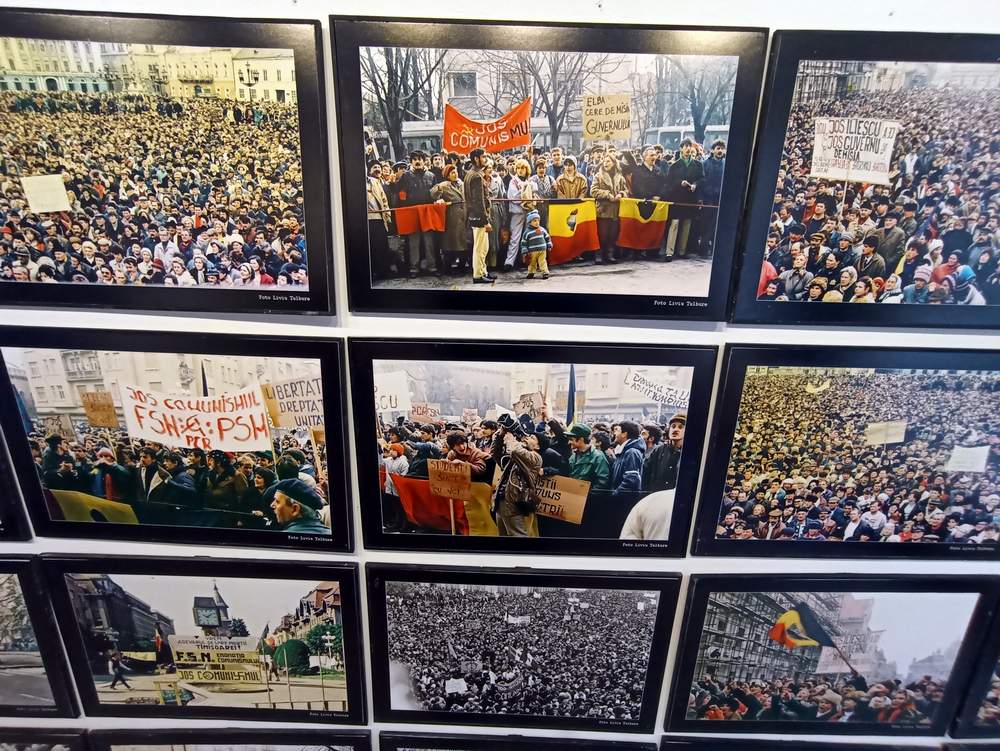
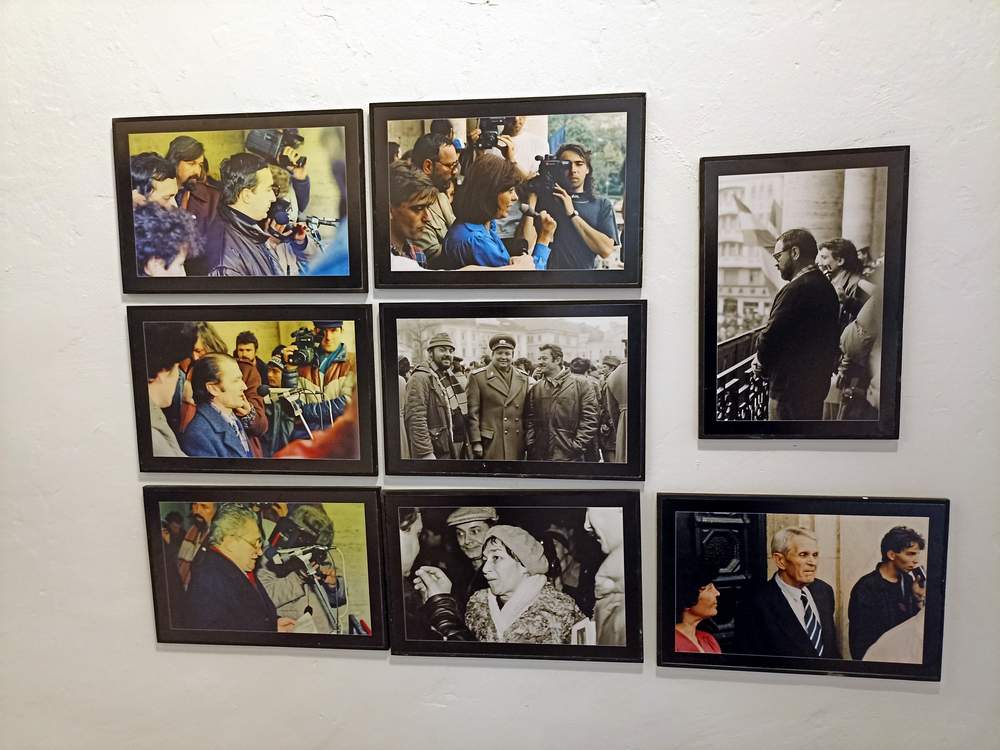
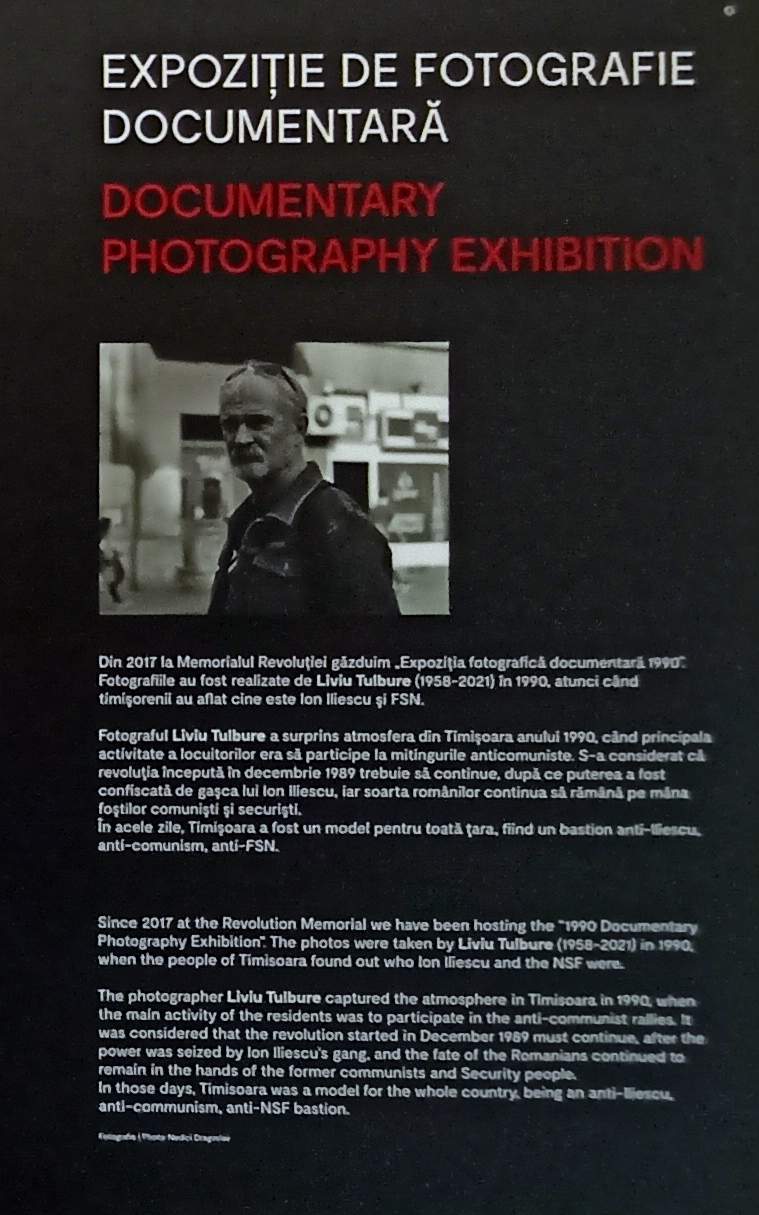
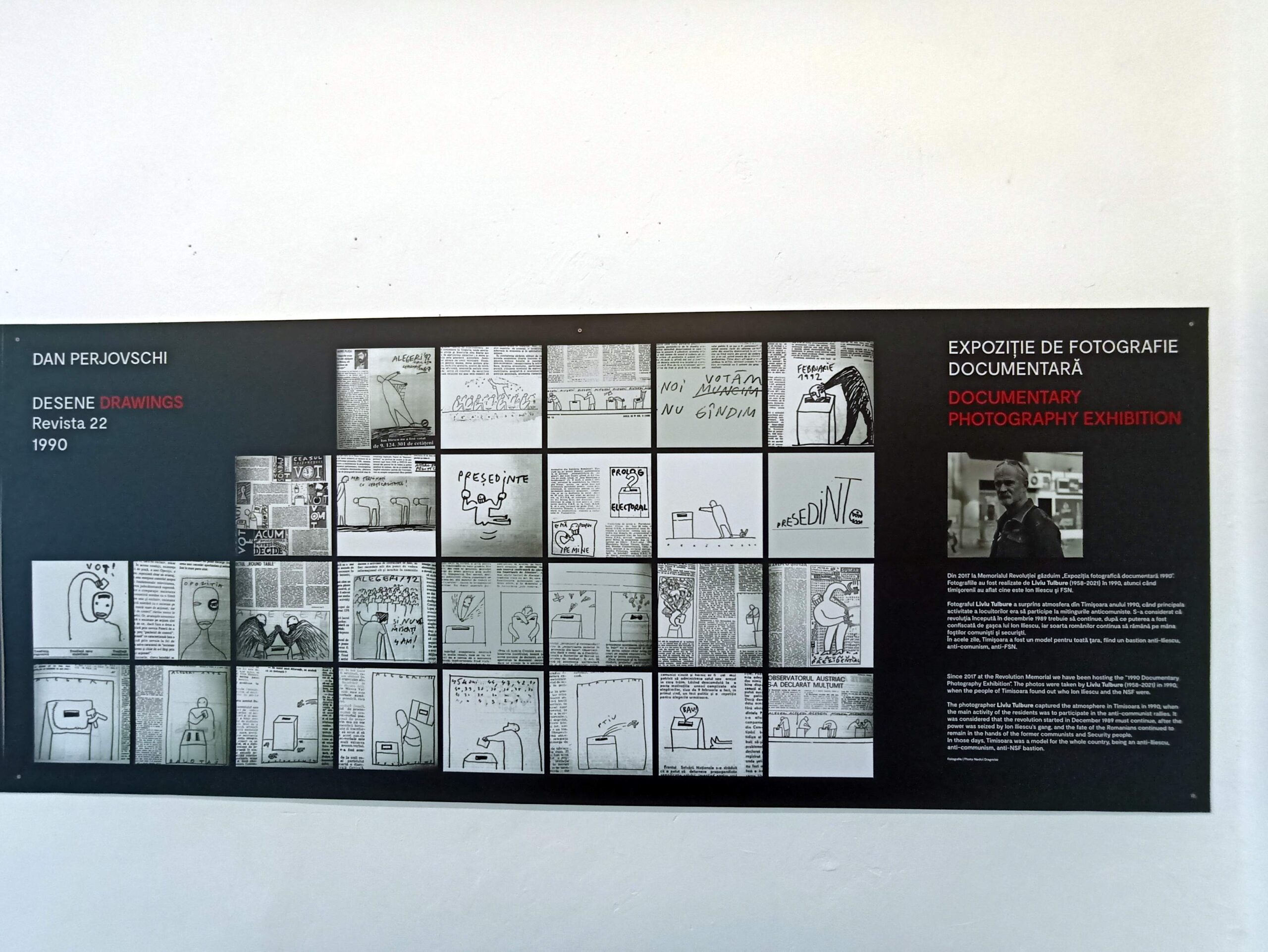
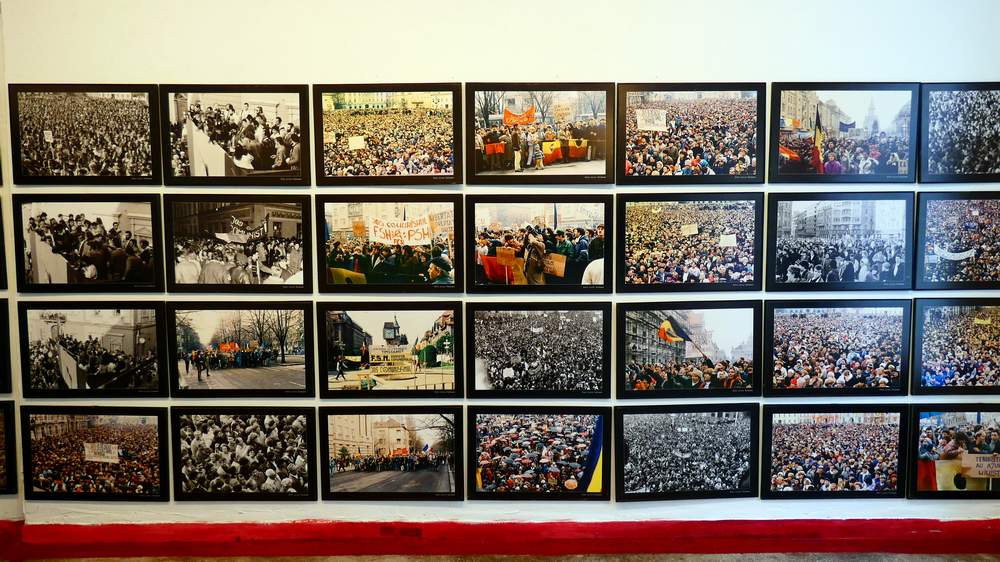
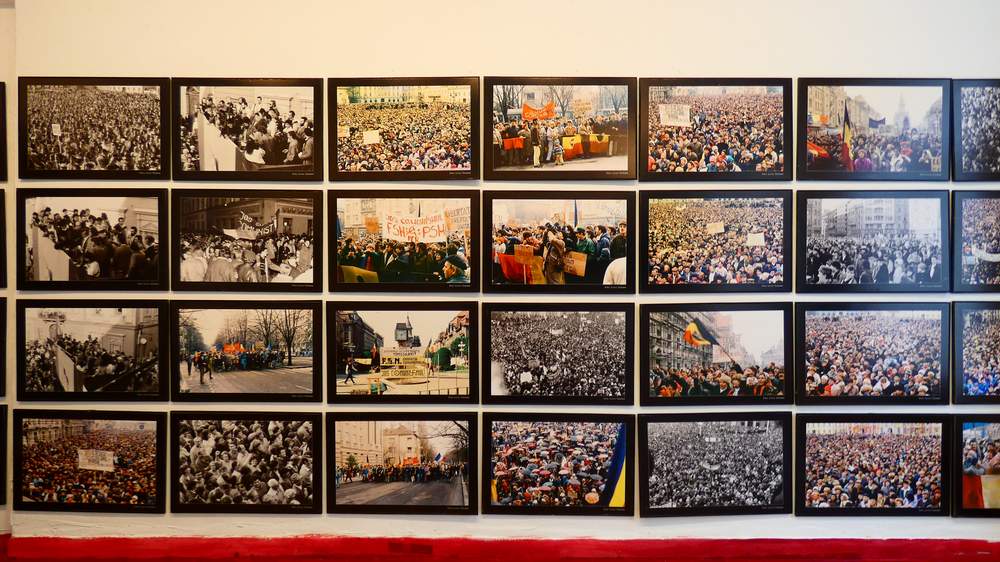
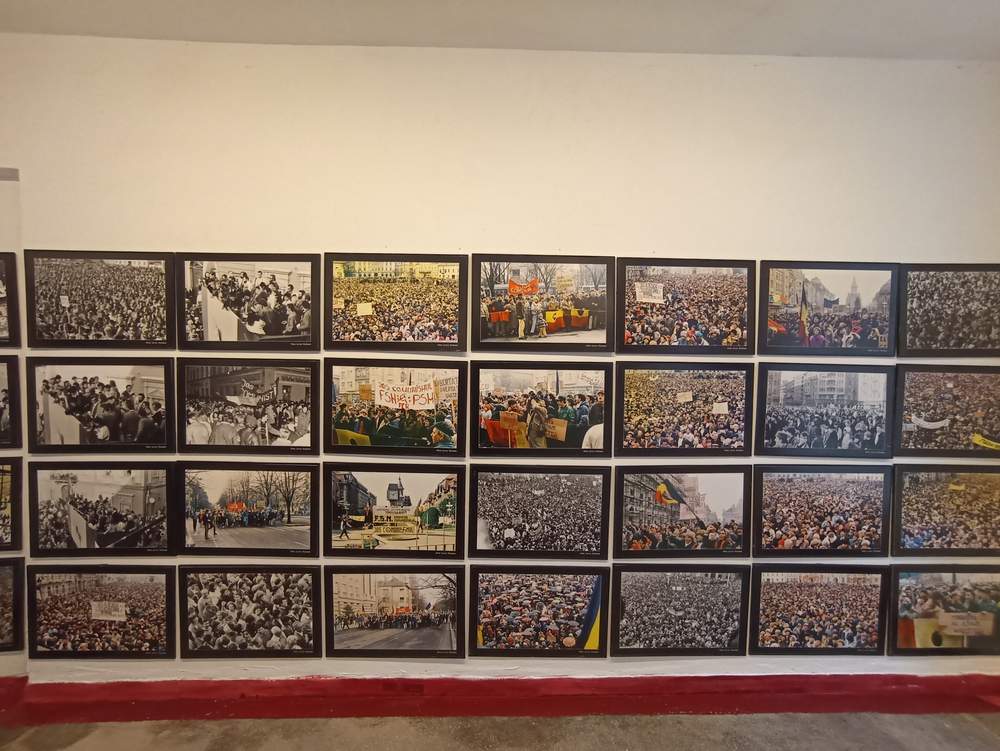
Since 2017, the Memorial of the Revolution has hosted the “1990 Documentary Photography Exhibition.”
Photographer Liviu Tulbure captured the atmosphere of Timișoara in 1990, when the people of the city organized and took part in massive anti-FSN rallies, believing that the Revolution that began in 1989 had to continue toward the genuine democratization of society. During those days, Timișoara became a model for the entire country, standing as a stronghold against Iliescu, communism, and the FSN.
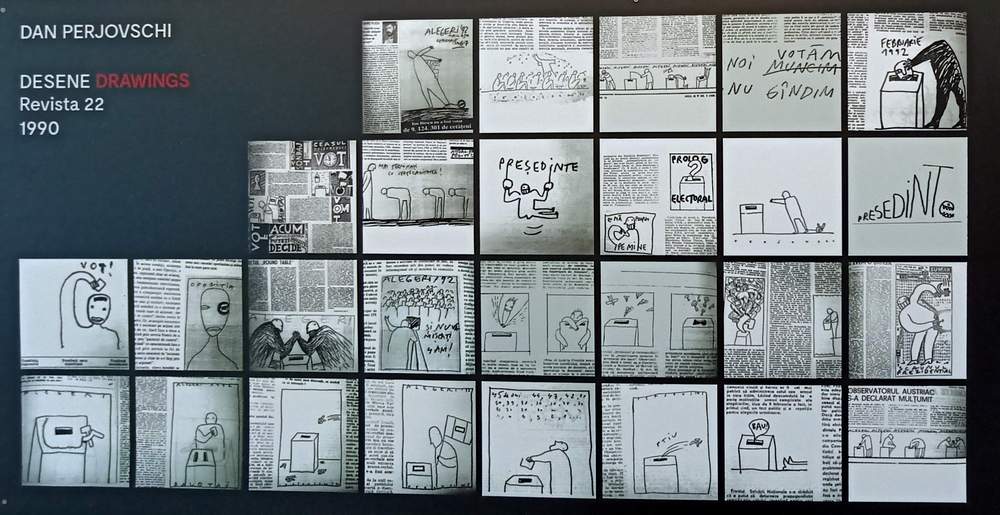
The exhibition also displays a copy of the manuscript of the Timișoara Proclamation, as well as a series of drawings created by Dan Perjovschi and published in “Revista 22” in 1990.
P1030154
Vernisarea expoziției – eveniment „(r)evoluție? istorii trăite 1945-1989-2022
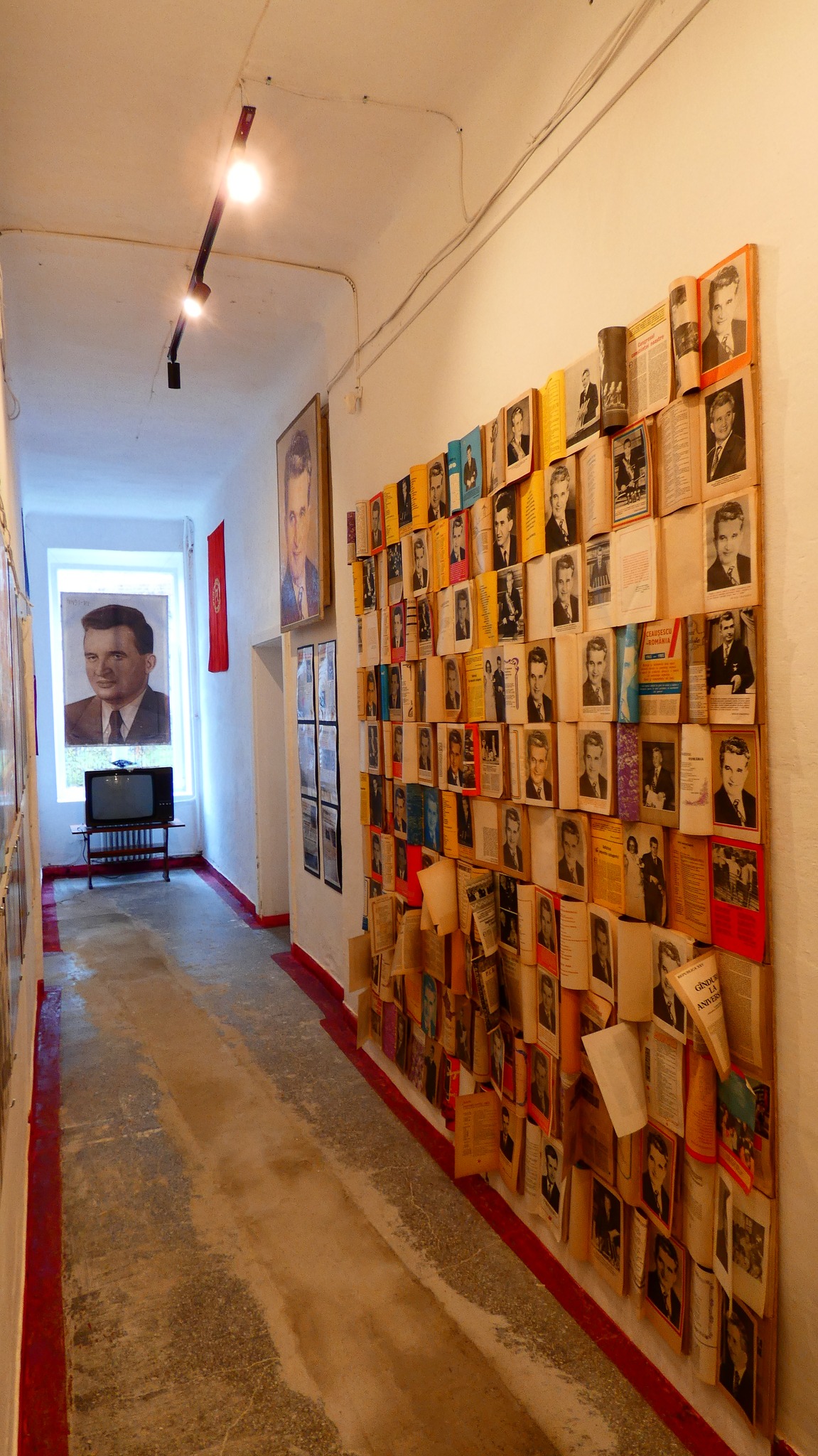
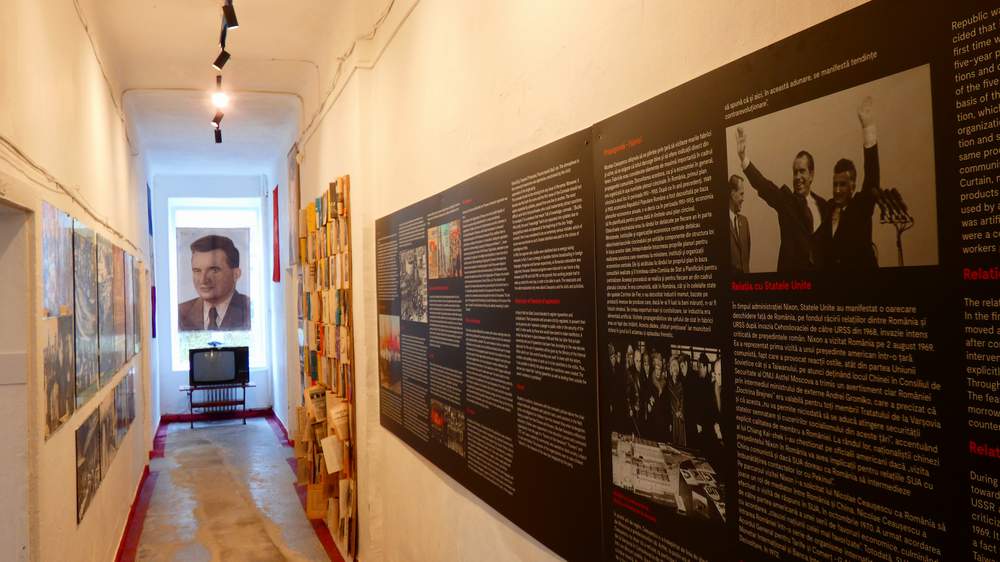
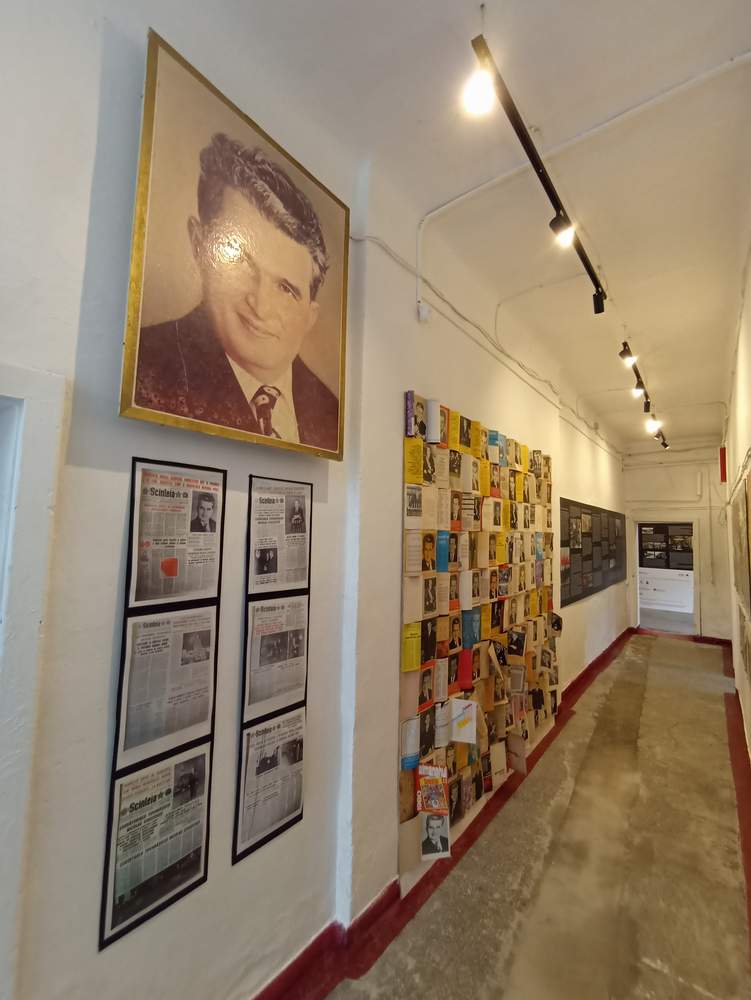
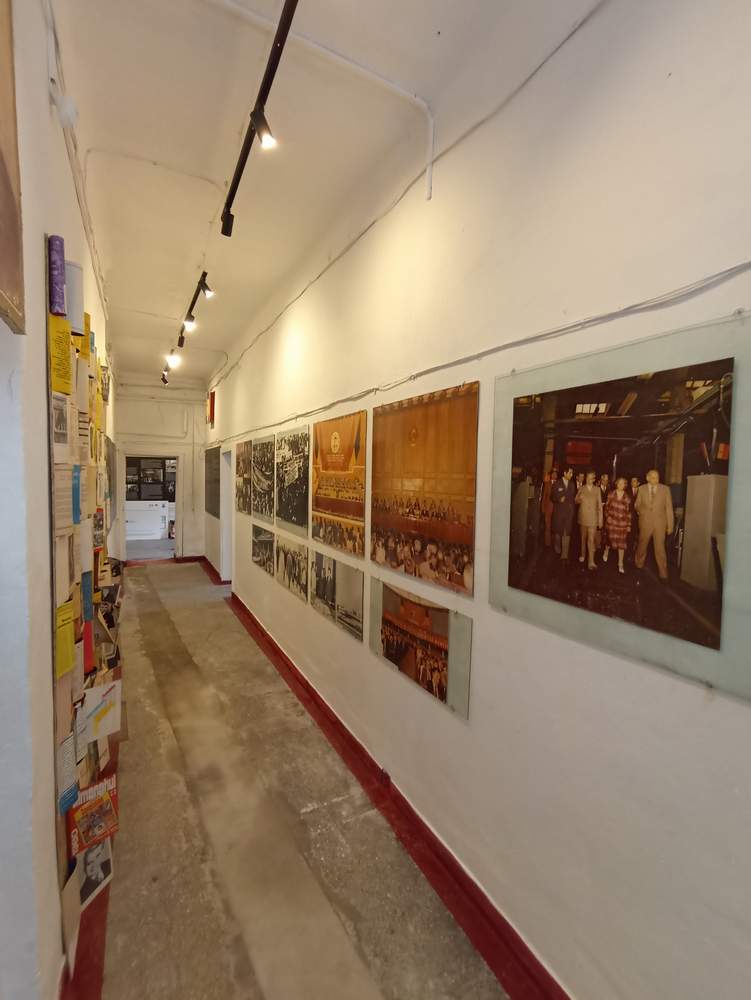
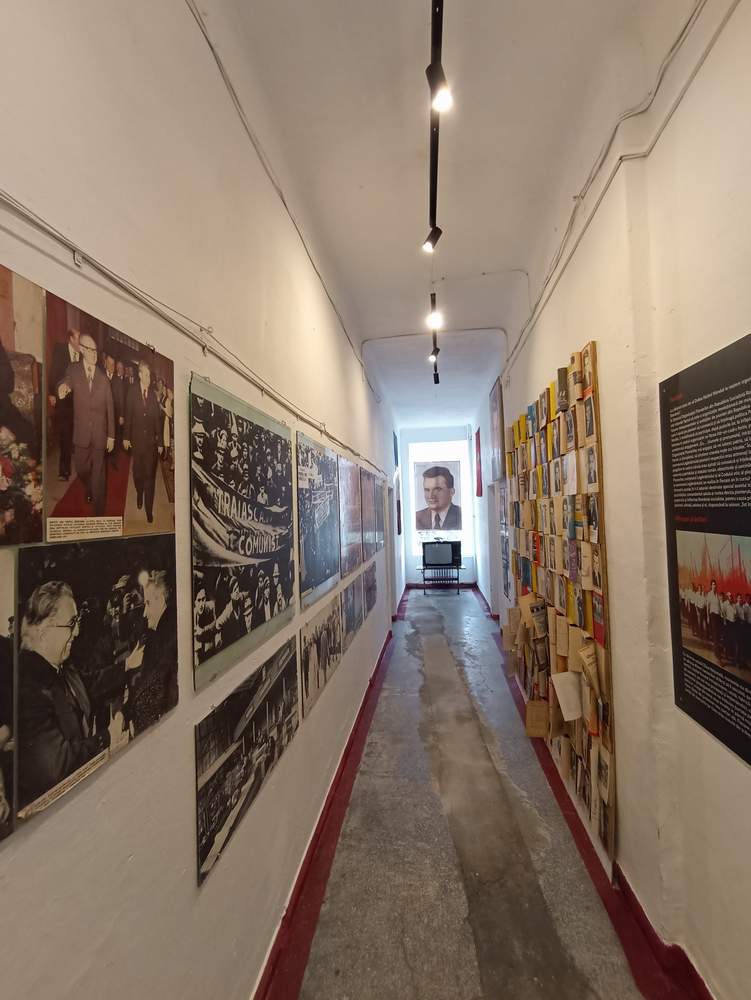
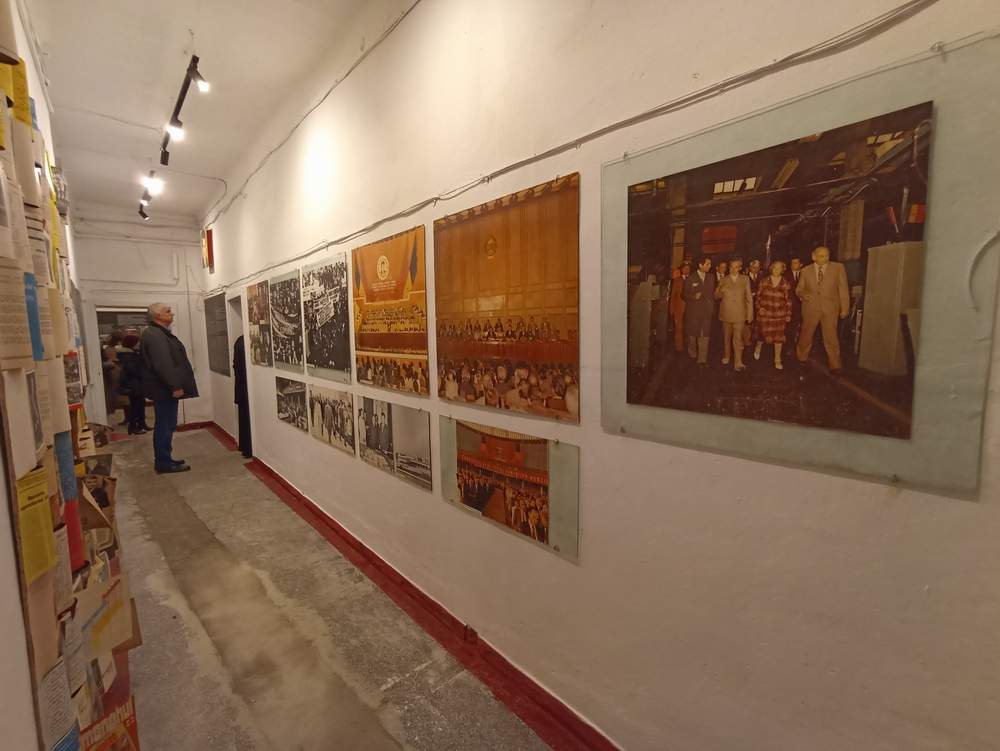
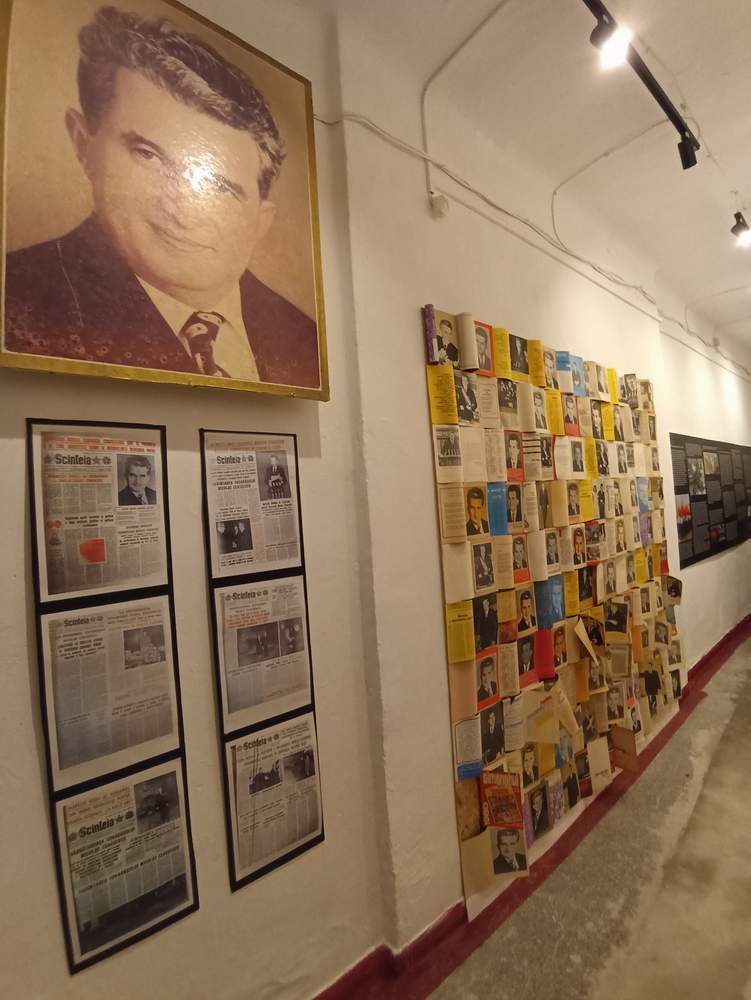
The Exhibition “Communist Propaganda and Ceaușescu’s Cult of Personality” This exhibition provides an introduction to the cult of personality surrounding the communist leader Nicolae Ceaușescu. Here, you can see portraits of Ceaușescu, propaganda photographs, and a series of publications featuring his image on their opening pages.
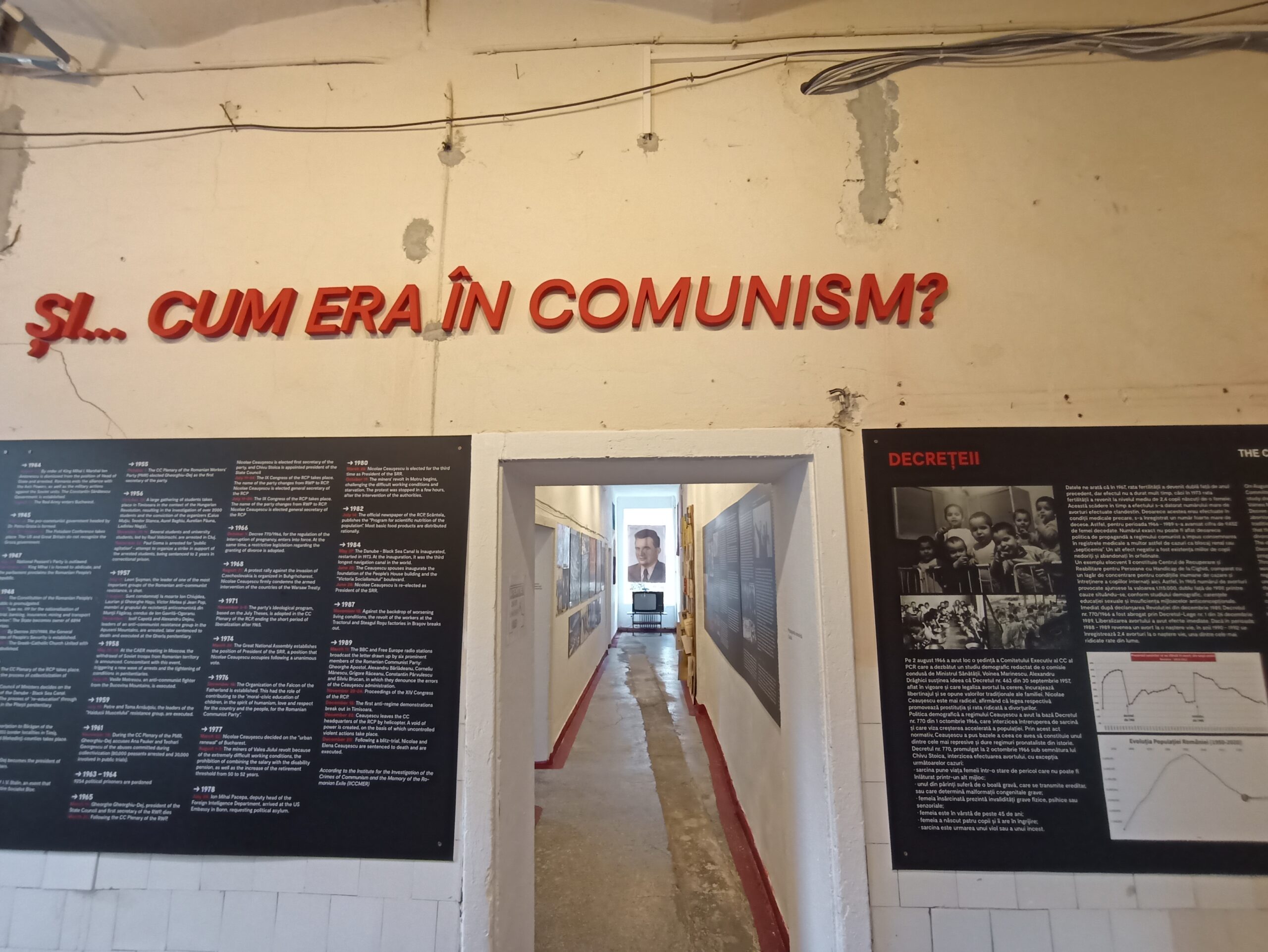
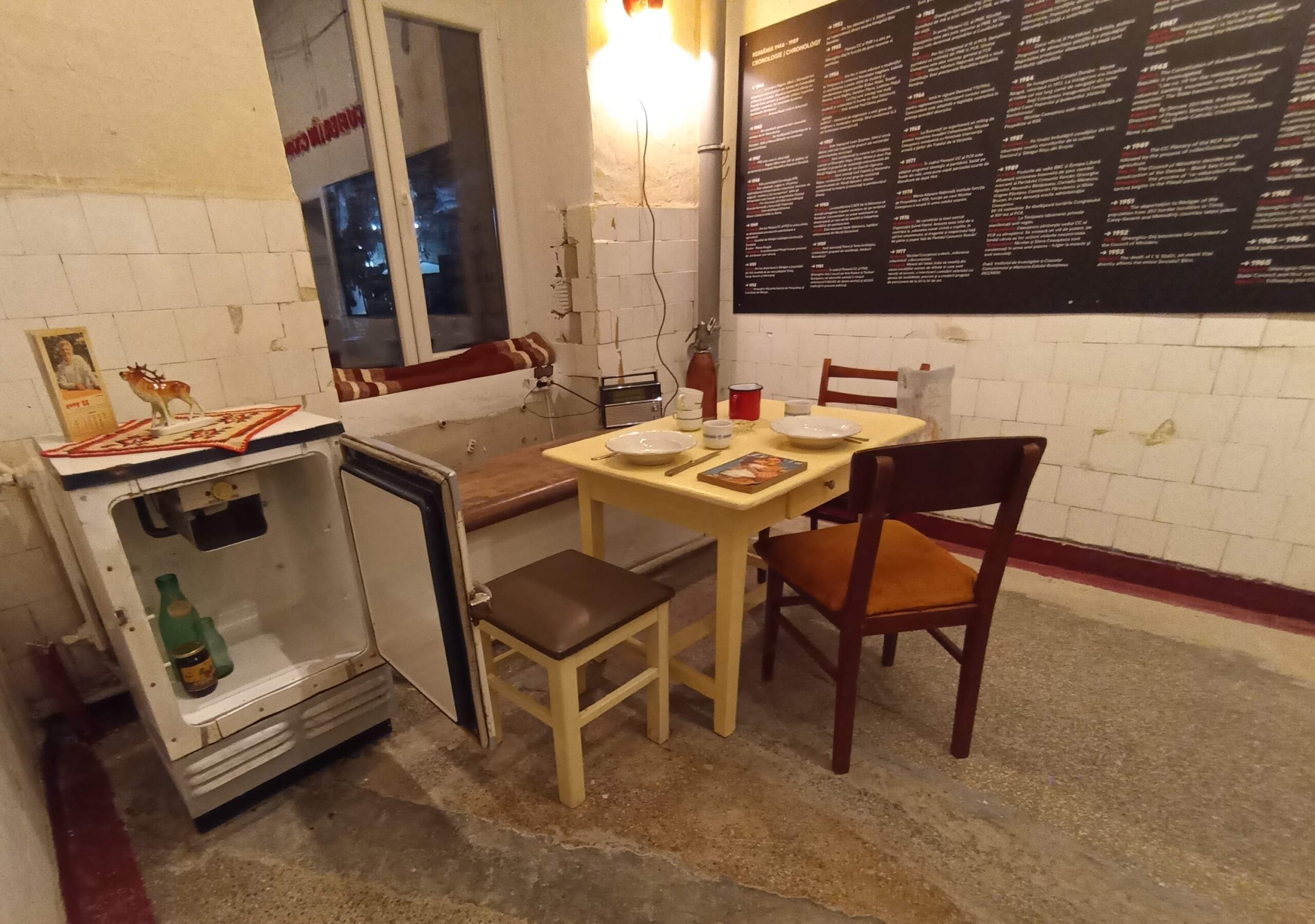
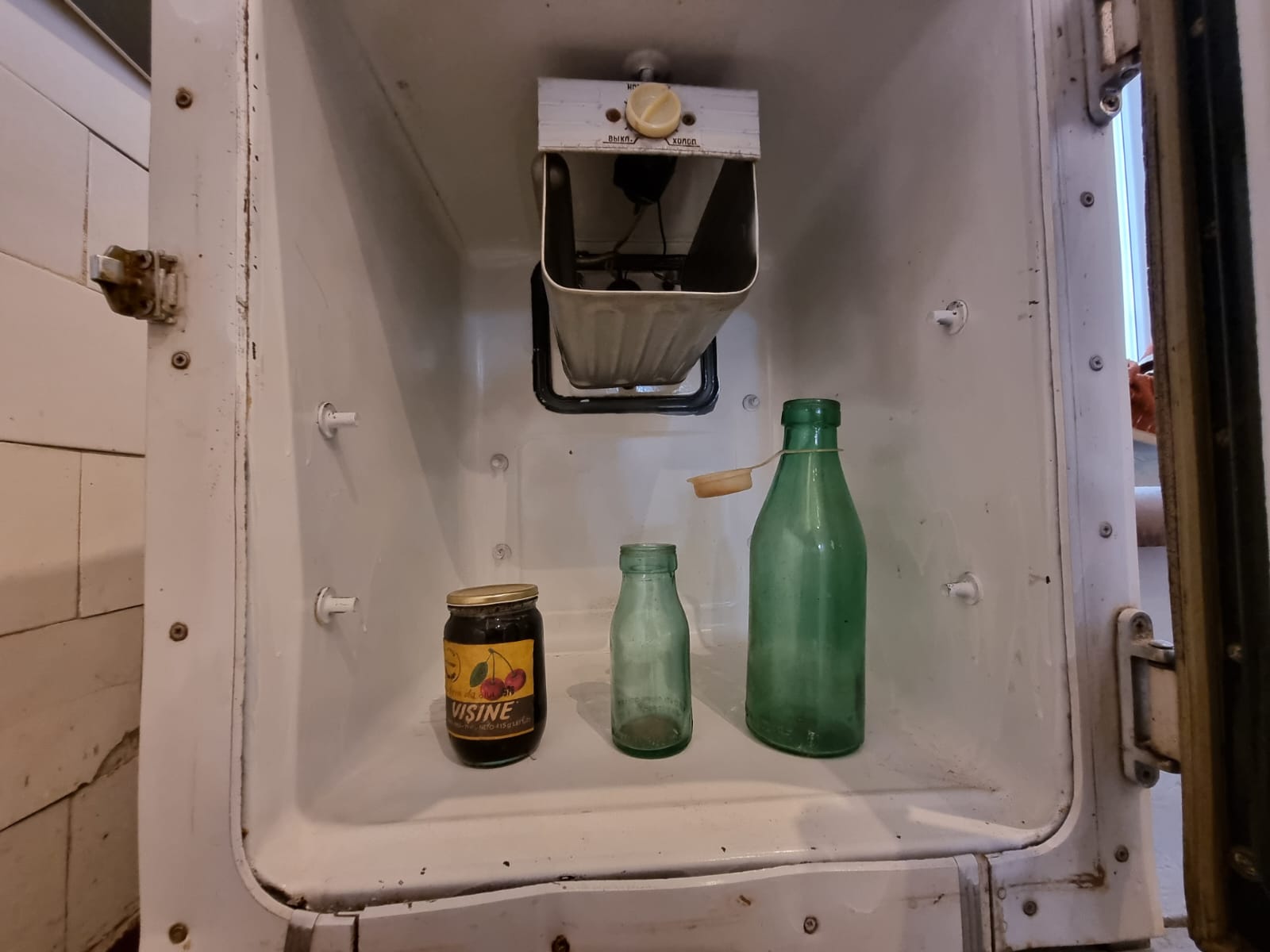
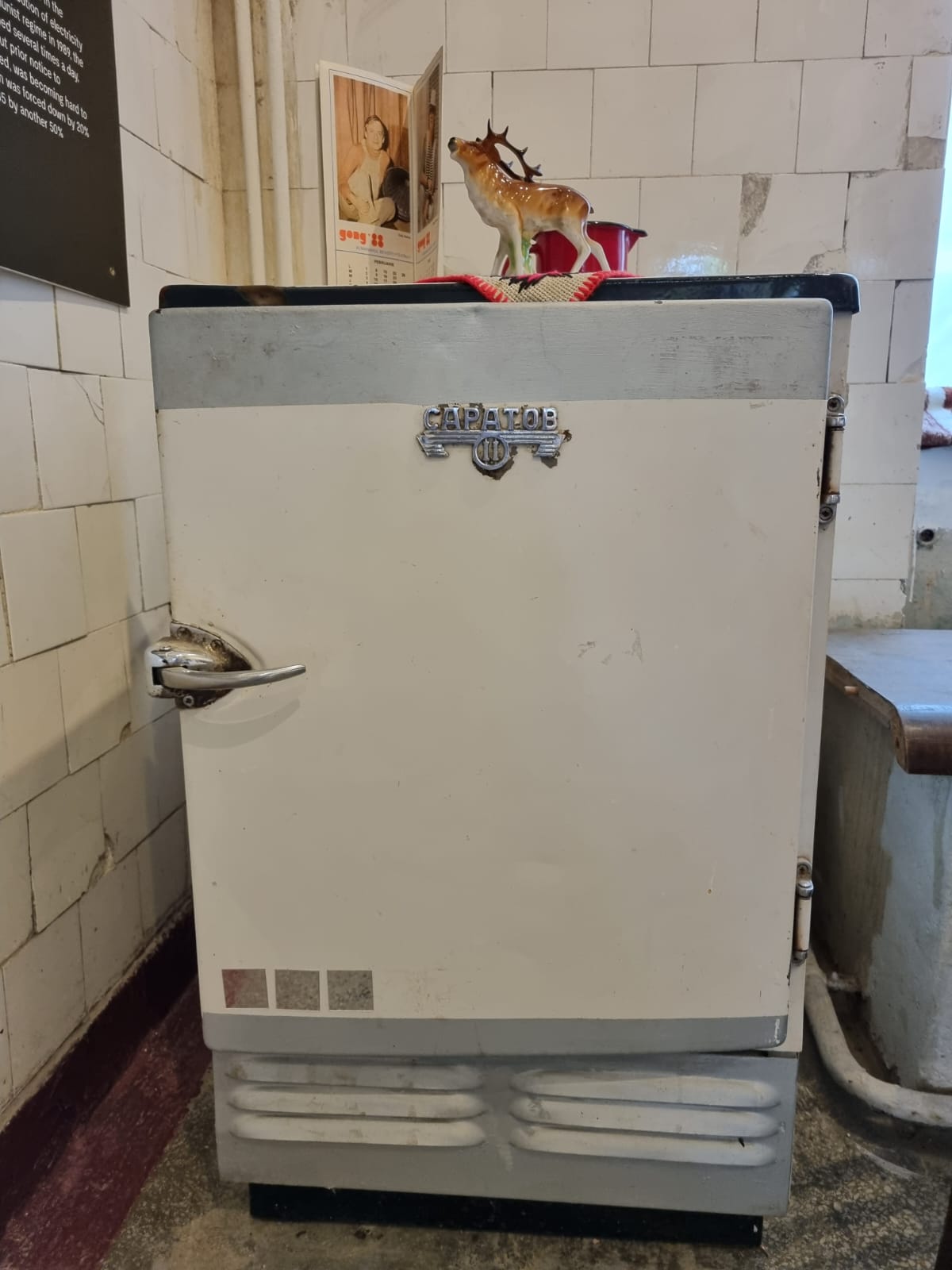
The Exhibition “And… What Was Life Like Under Communism?” This exhibition provides information about everyday life during the communist period and presents a fragment of a kitchen from that era.
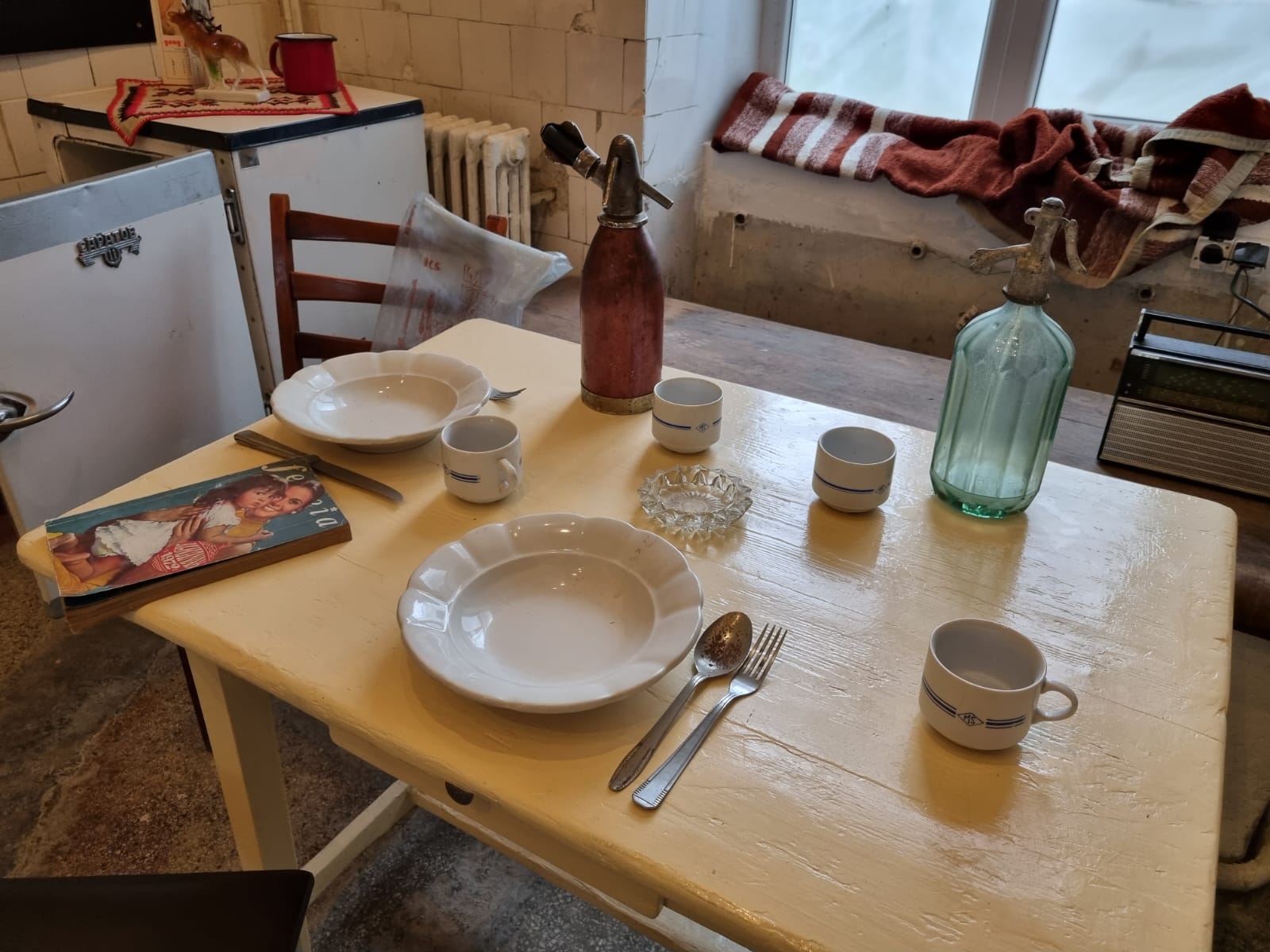
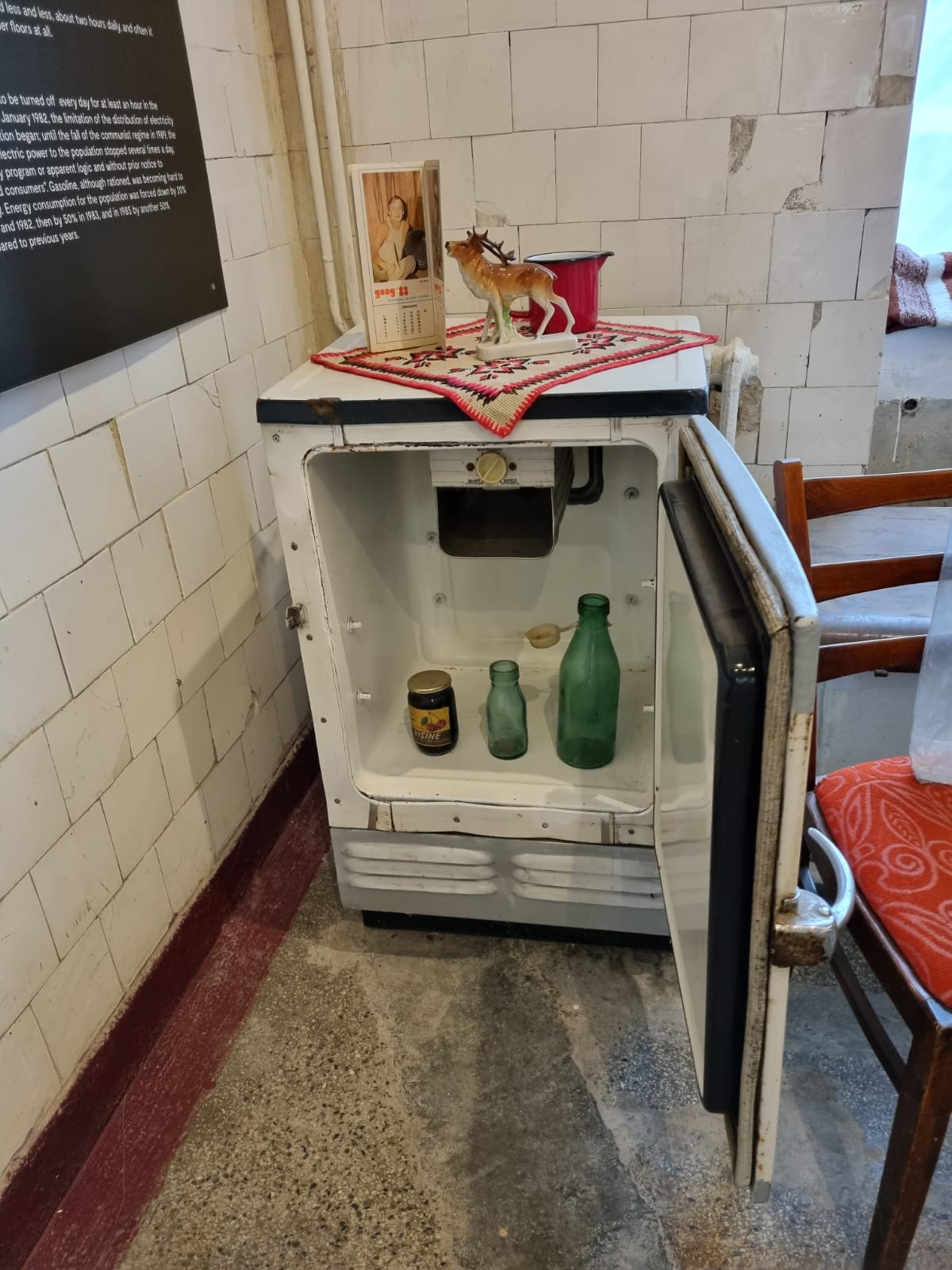
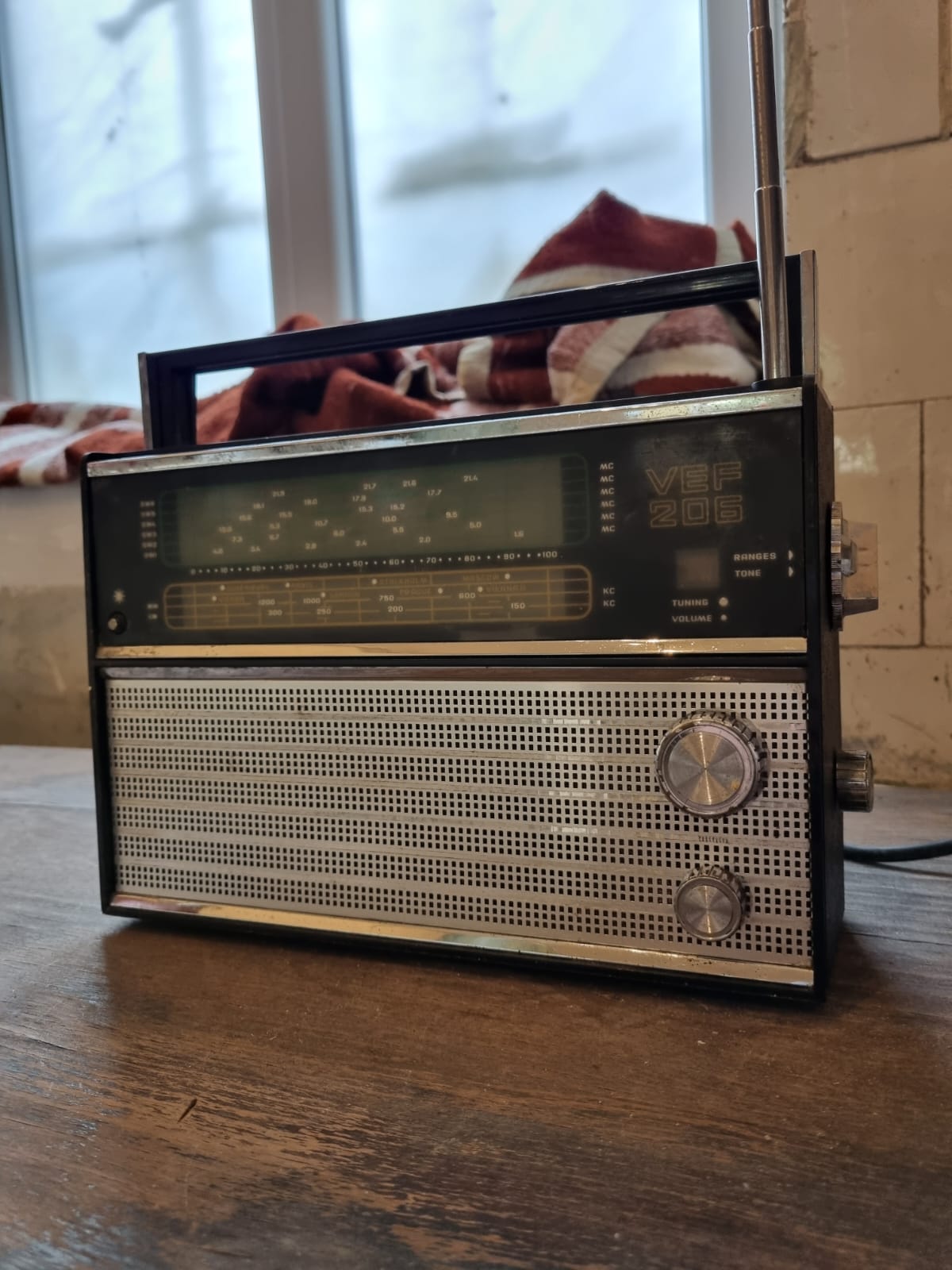
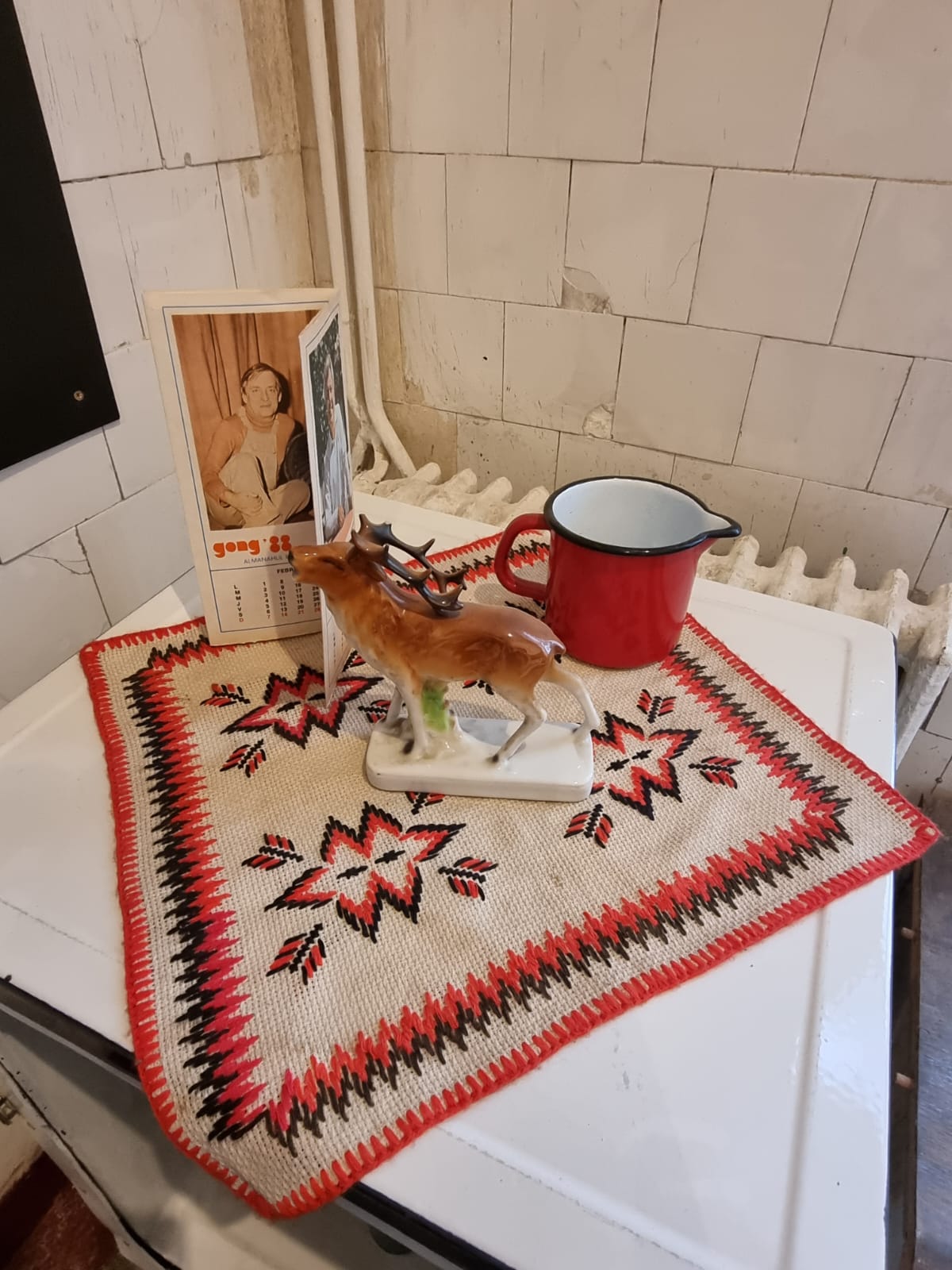
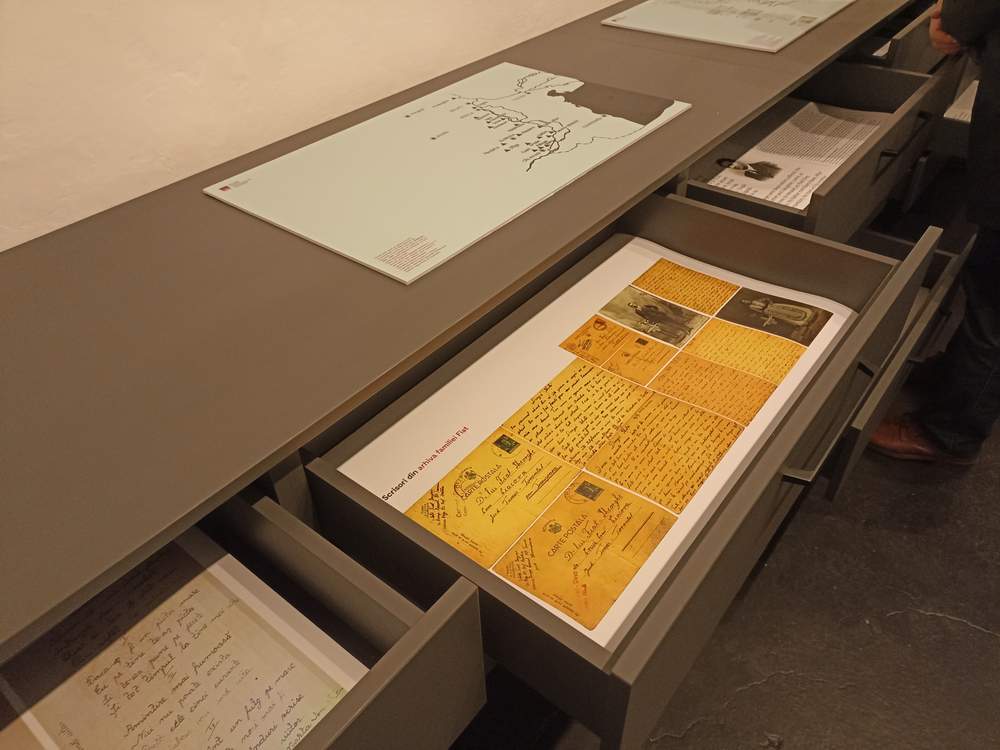
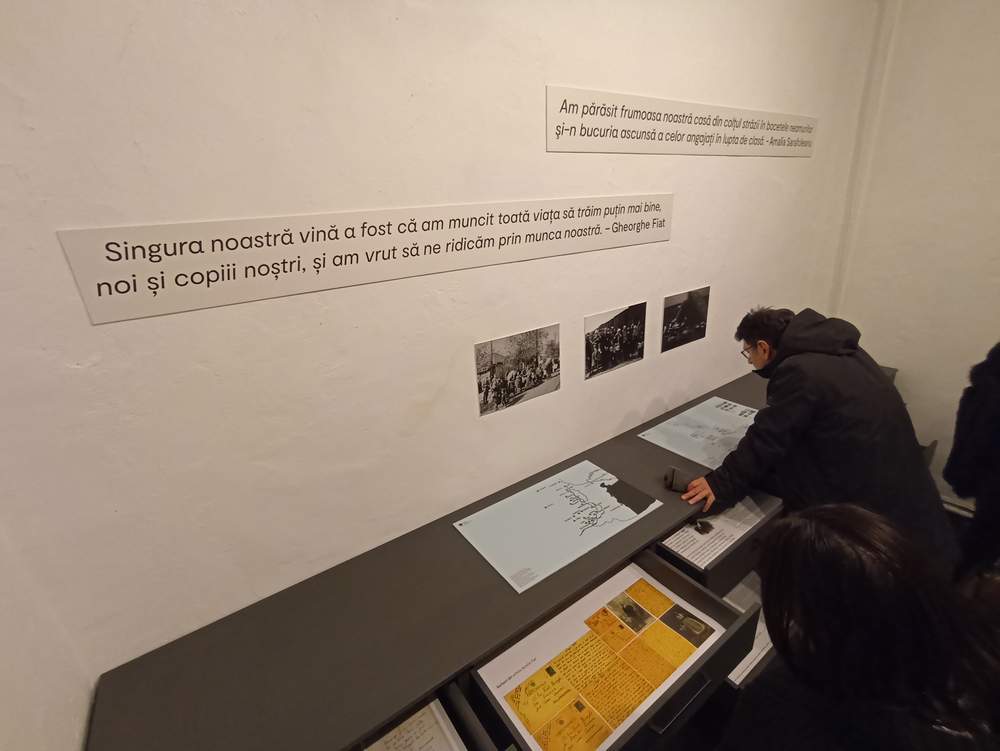
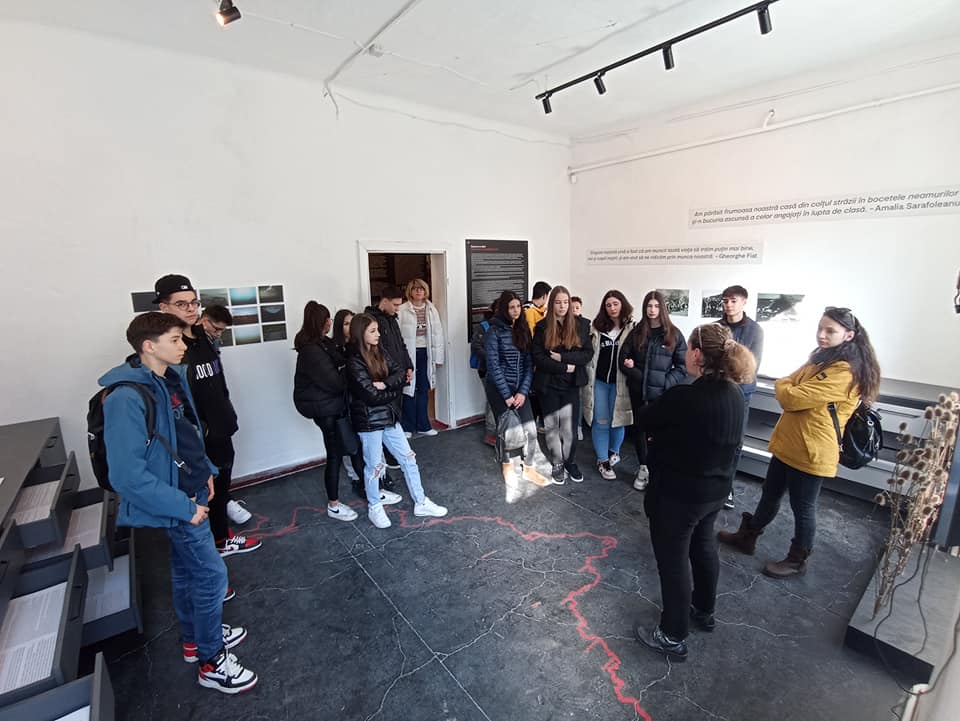
In the exhibition “The Border and Deportation” You can listen to or read testimonies from people who were deported to the Soviet Union or to the Bărăgan region, as well as from those who attempted to cross Romania’s state border illegally in search of a better life in the West.
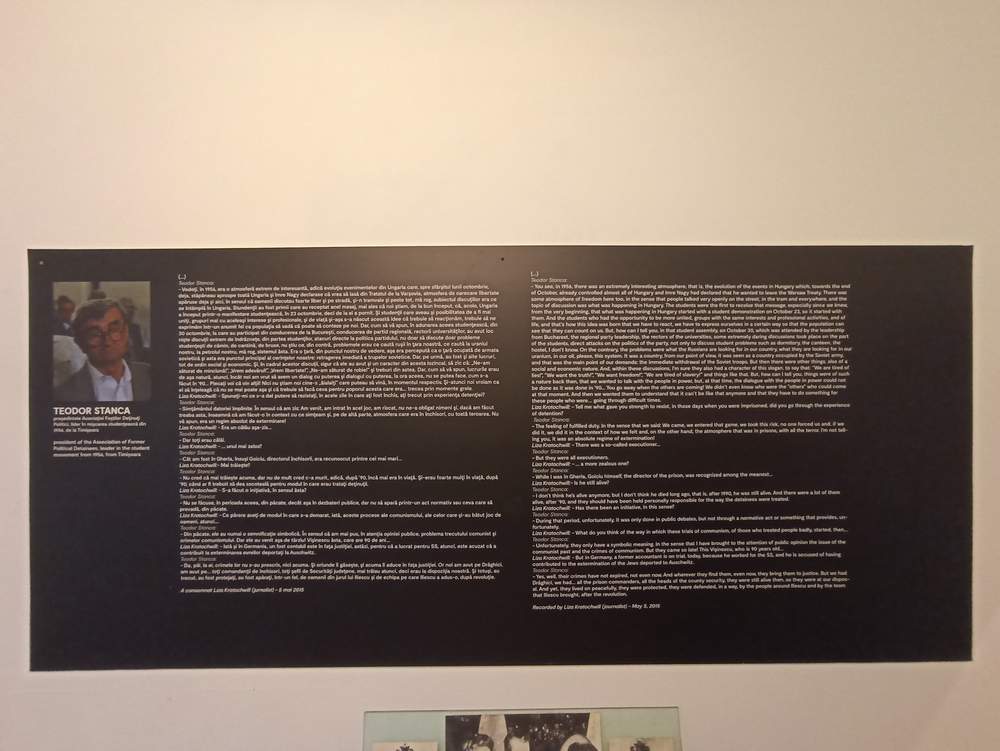
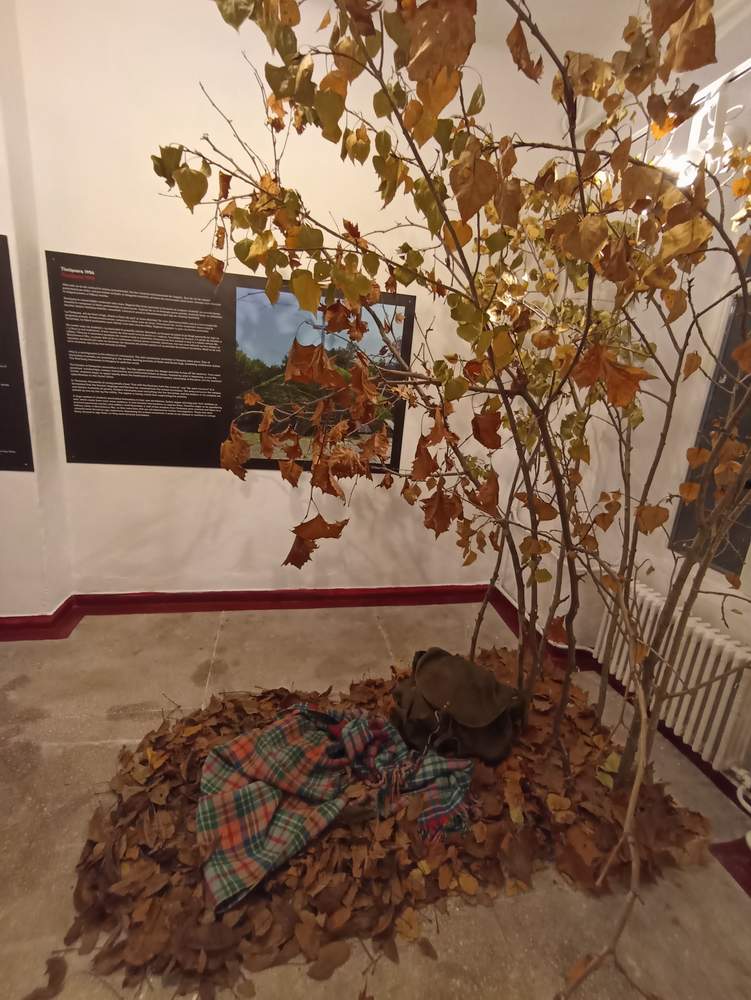
Within the exhibition “The Anti-Communist Resistance in the Mountains, 1948–1956, and the 1956 Student Protests in Timișoara” you can learn about the armed anti-communist resistance and the student movements of 1956. A fragment from the life of an anti-communist partisan is recreated through the reconstruction of a mountain shelter.
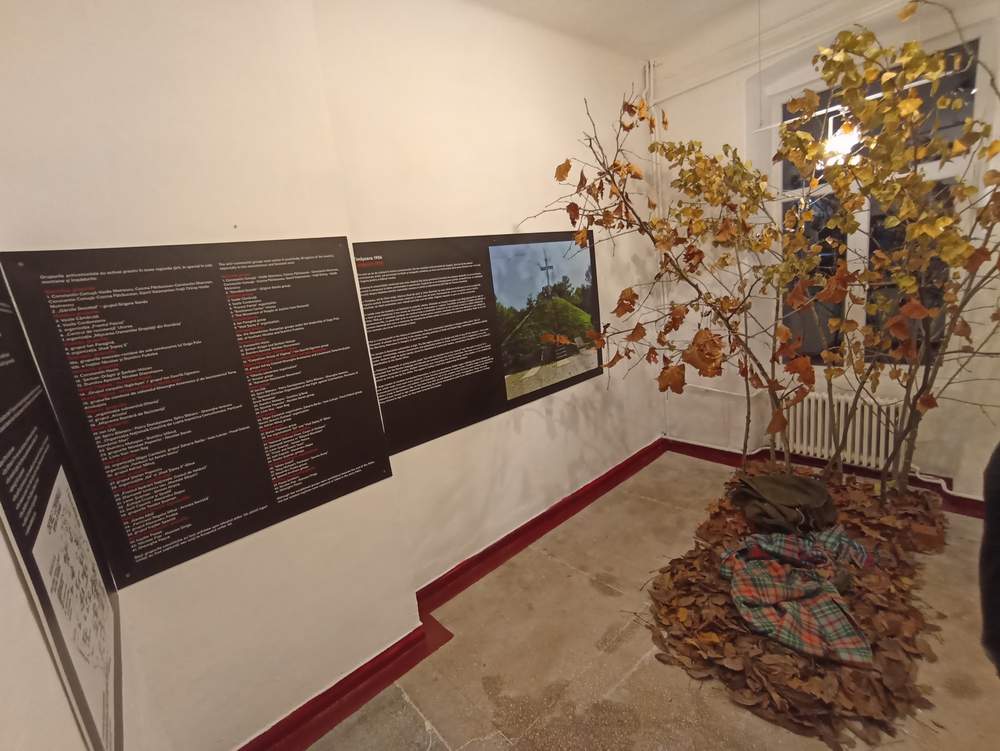
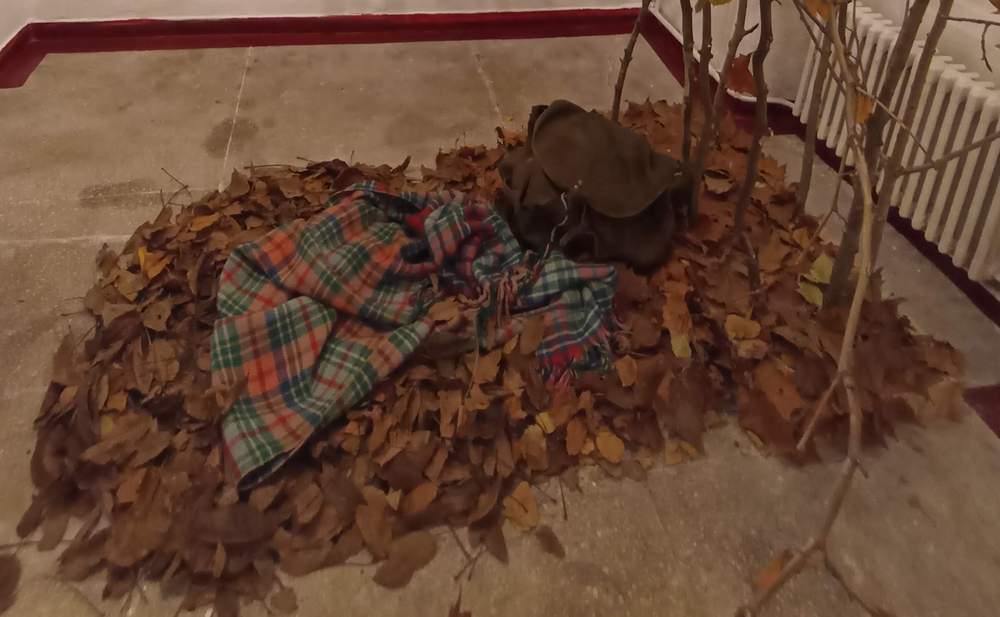
IMG_20221207_173608a
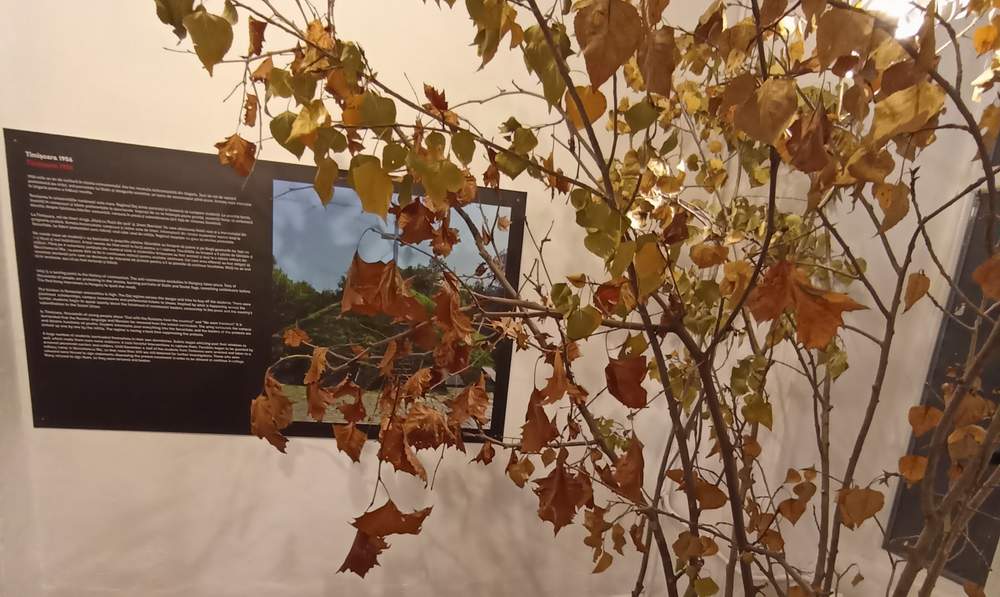
IMG_20221207_173608b
“The Romanian Revolution of December 1989 Seen Through the Eyes of Children” is the title of an exhibition of paintings created with the innocence and imagination characteristic of children’s perspective by students from the Children’s Palace in Timișoara, under the guidance of visual artist Maria Bana Jichița.
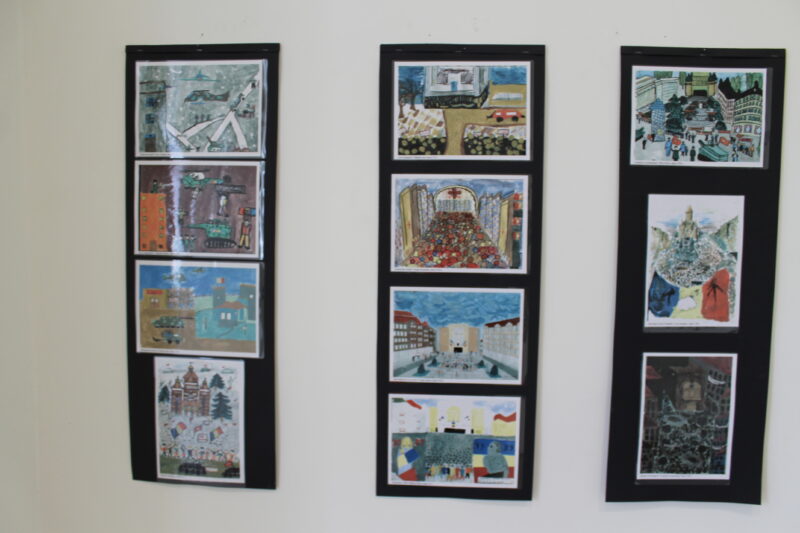
“The Romanian Revolution of December 1989 Seen Through the Eyes of Children”

“The Romanian Revolution of December 1989 Seen Through the Eyes of Children”
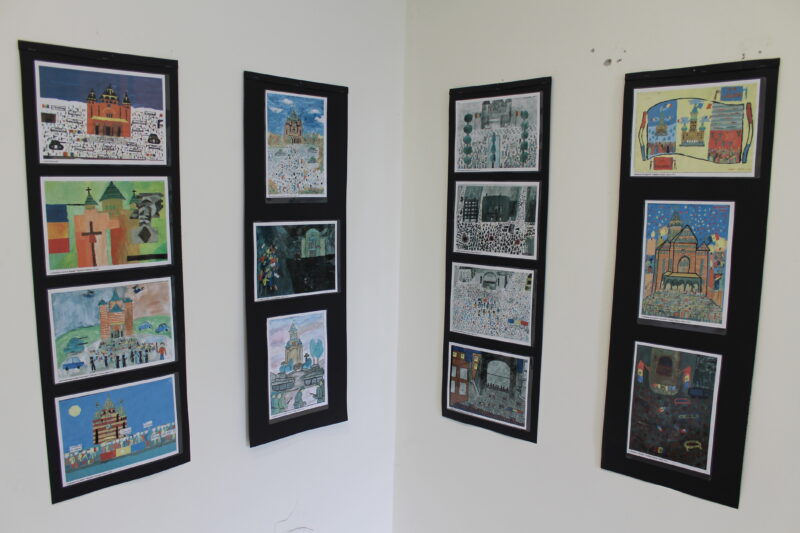
“The Romanian Revolution of December 1989 Seen Through the Eyes of Children”
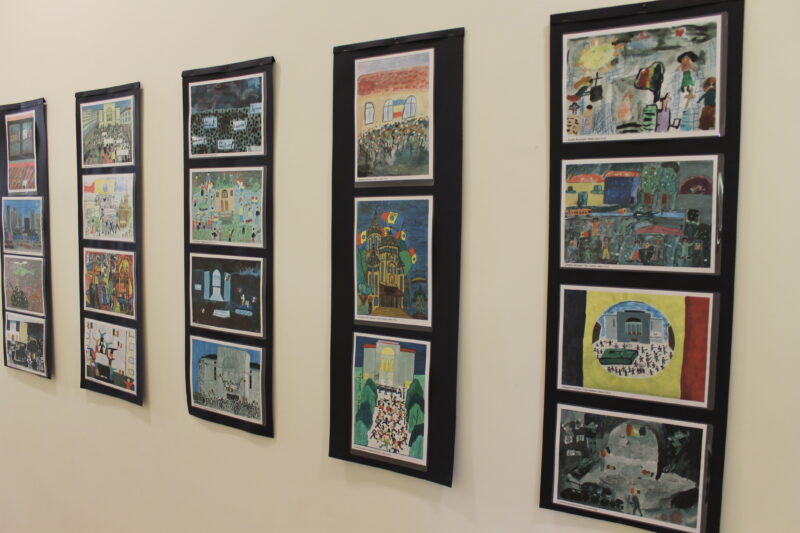
“The Romanian Revolution of December 1989 Seen Through the Eyes of Children”
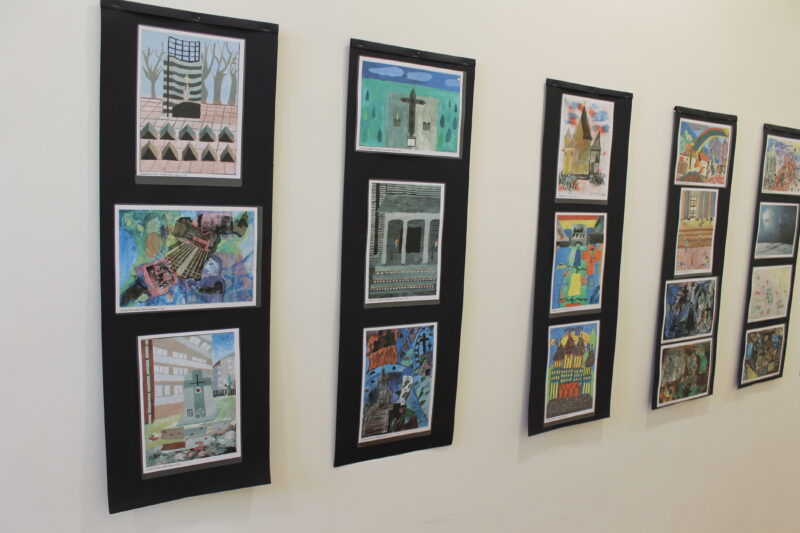
“The Romanian Revolution of December 1989 Seen Through the Eyes of Children”
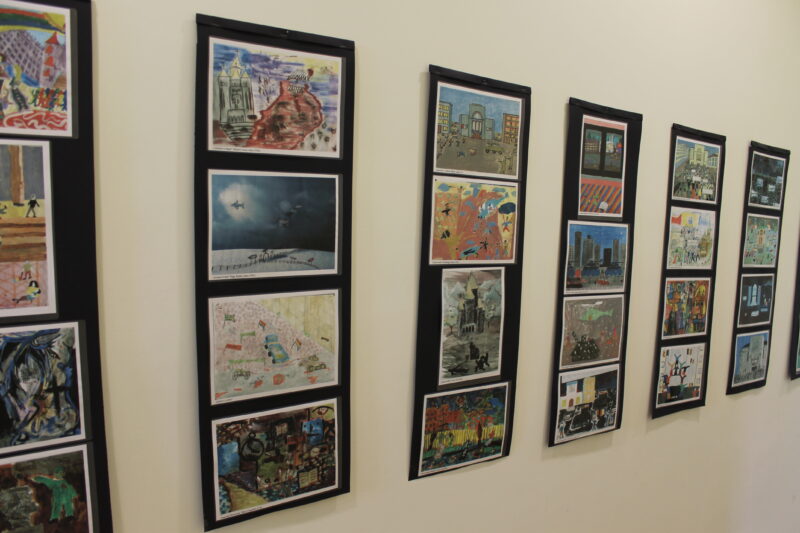
“The Romanian Revolution of December 1989 Seen Through the Eyes of Children”
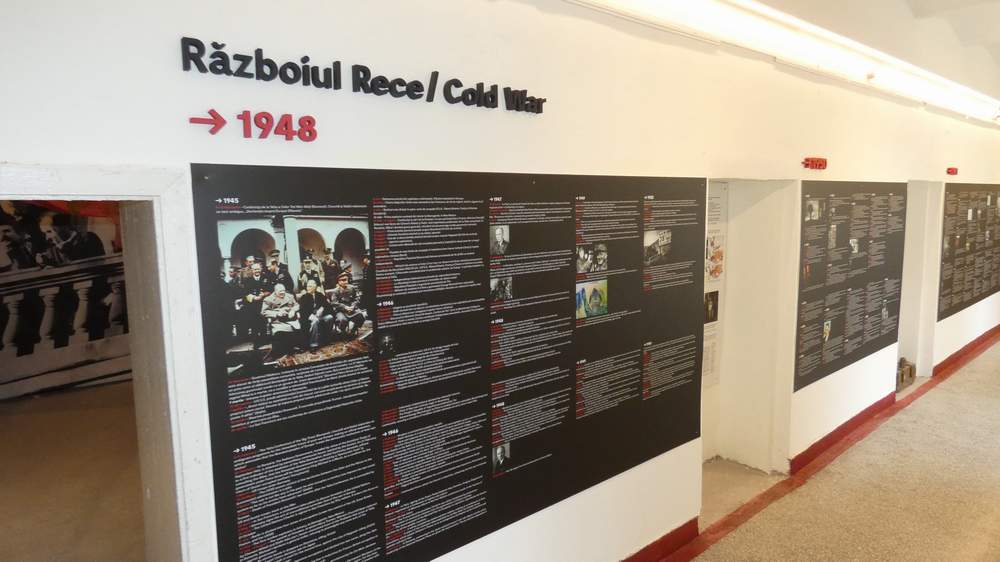
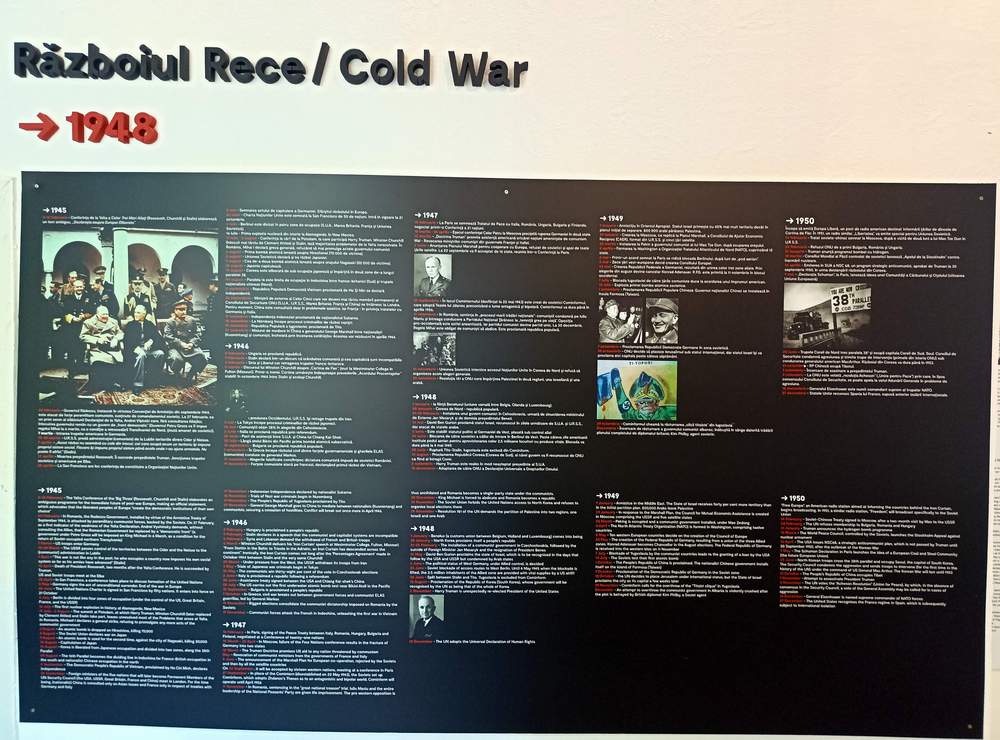
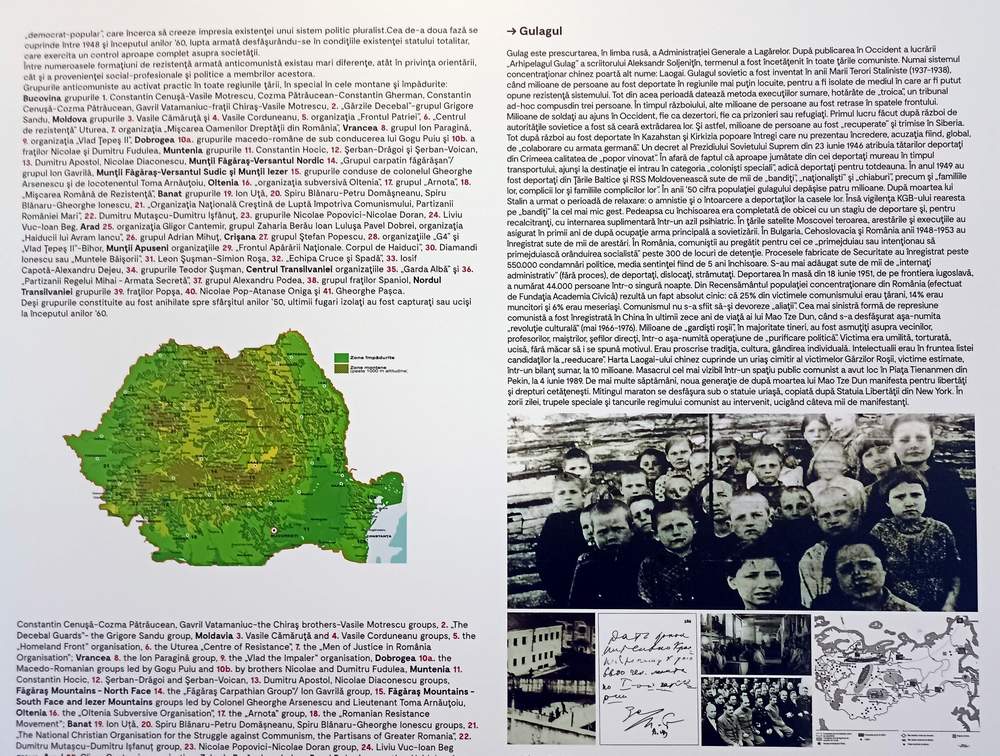
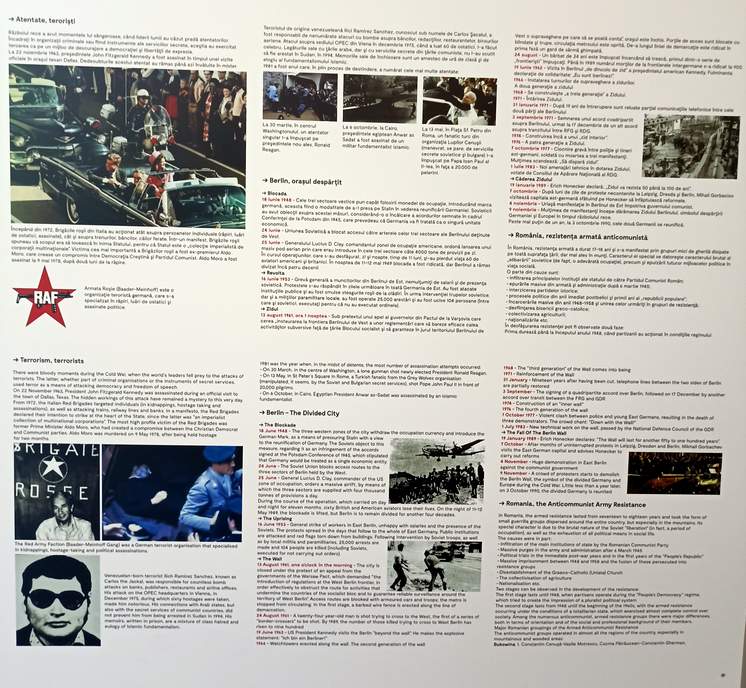
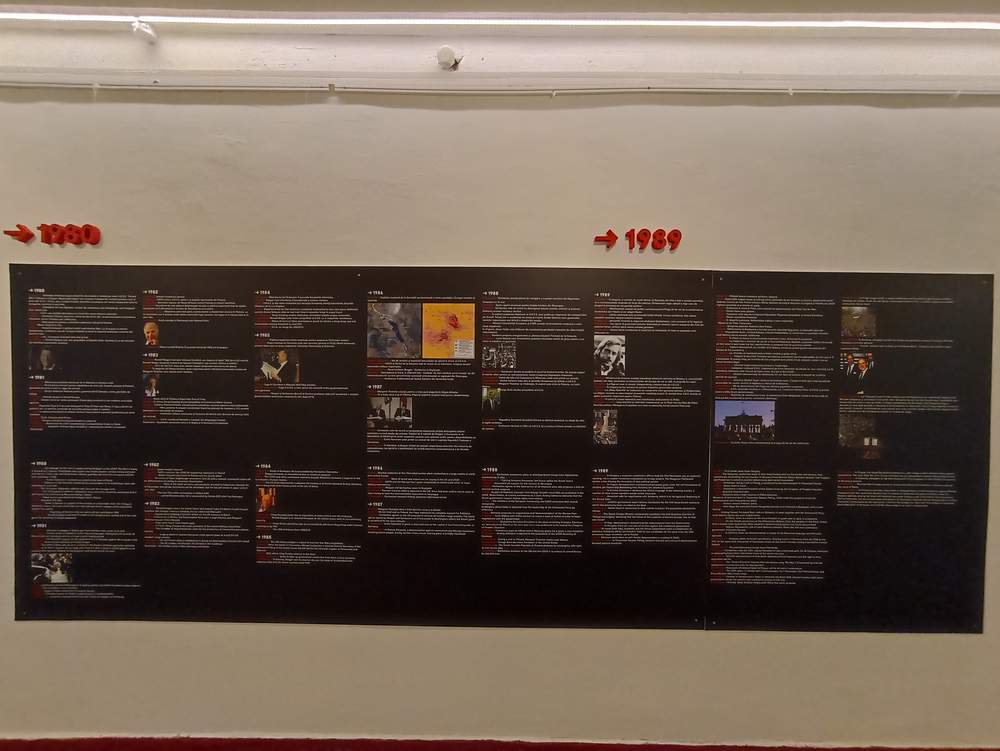
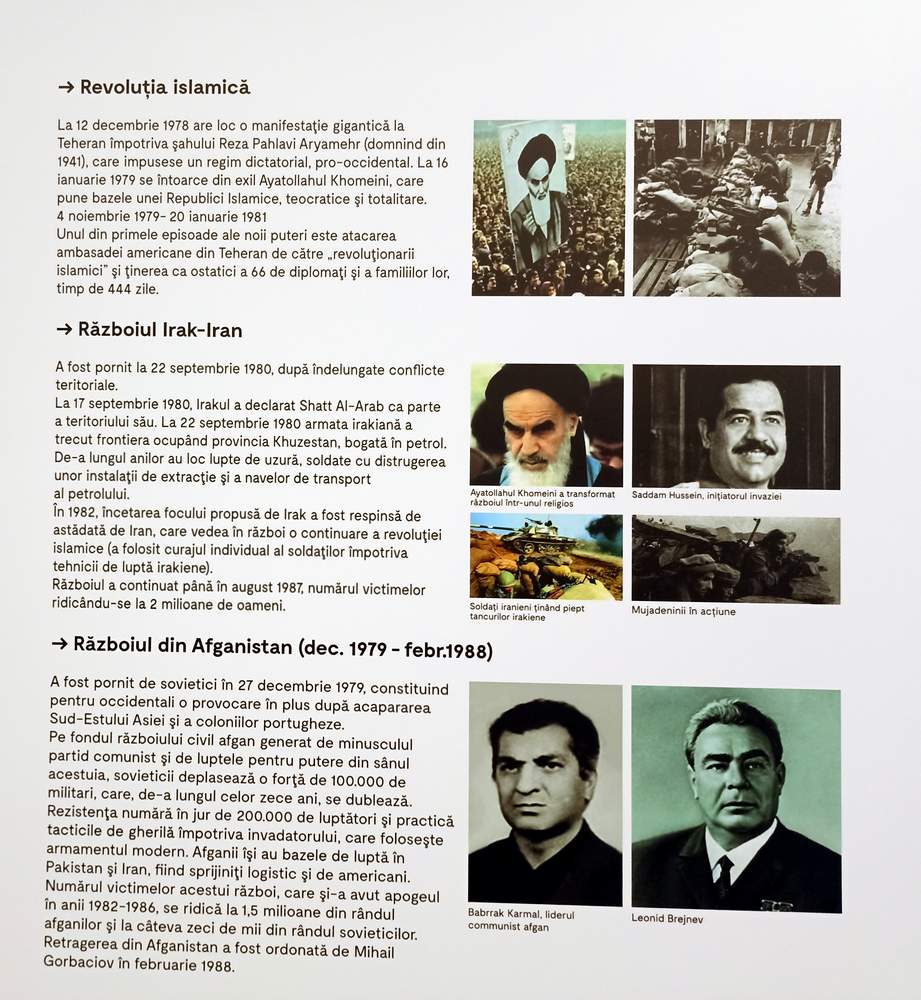
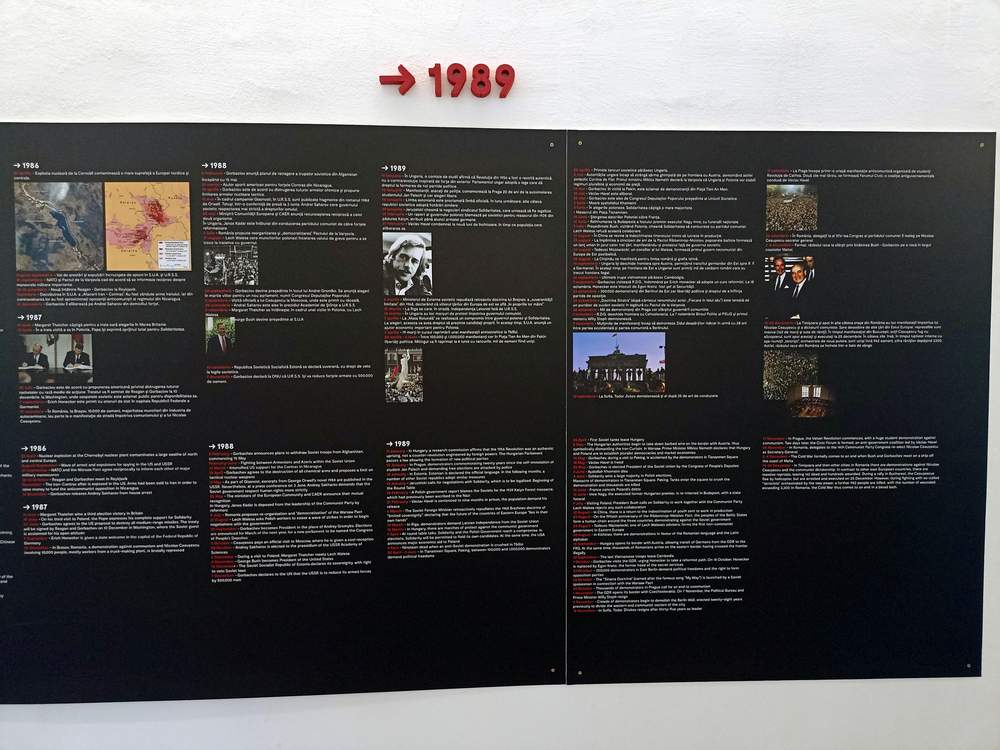
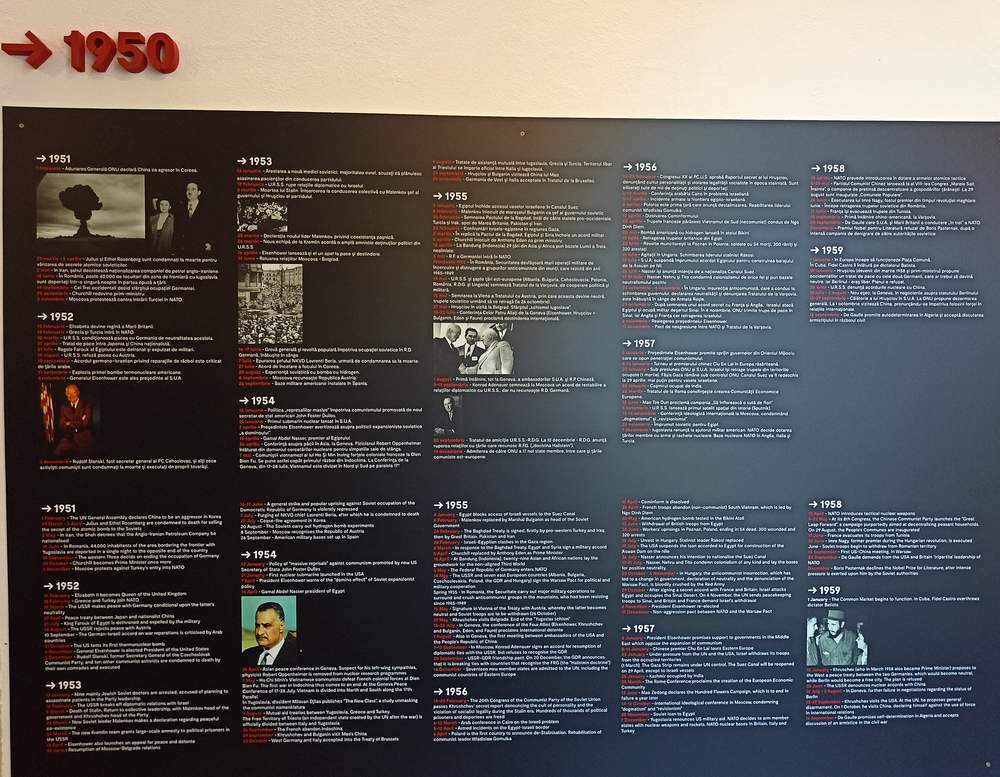
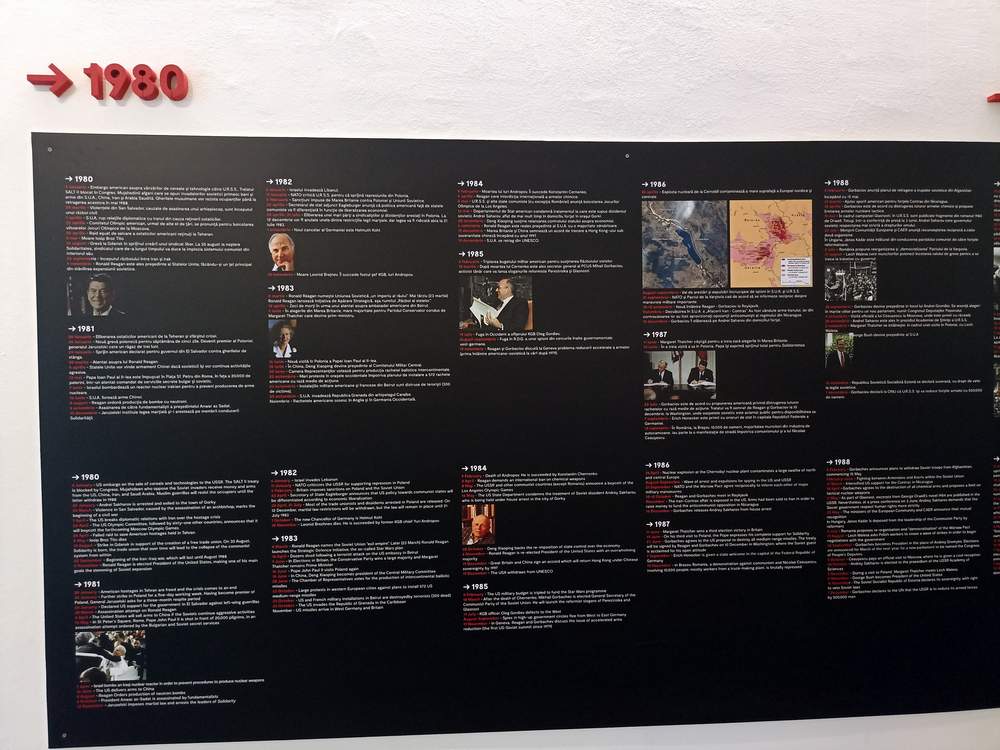
The Exhibition “The Cold War Timeline”, created by the International Centre for Studies on Communism in Bucharest, part of the Memorial of the Victims of Communism and of the Resistance, with the support of the “Culture 2000” programme, and donated to the Memorial of the Revolution, the exhibition presents all the stages of the Cold War in the countries where its impact was most strongly felt.
Vernisarea expoziției – eveniment „(r)evoluție? istorii trăite 1945-1989-2022
The Exhibition “The Berlin Wall – A Border Through Germany”, created by the Federal Foundation for the Study of the Communist Dictatorship of the Socialist Unity Party of Germany, the exhibition presents striking images from the period of the division of Berlin and Germany, accompanied by explanatory texts in German and their Romanian translations.
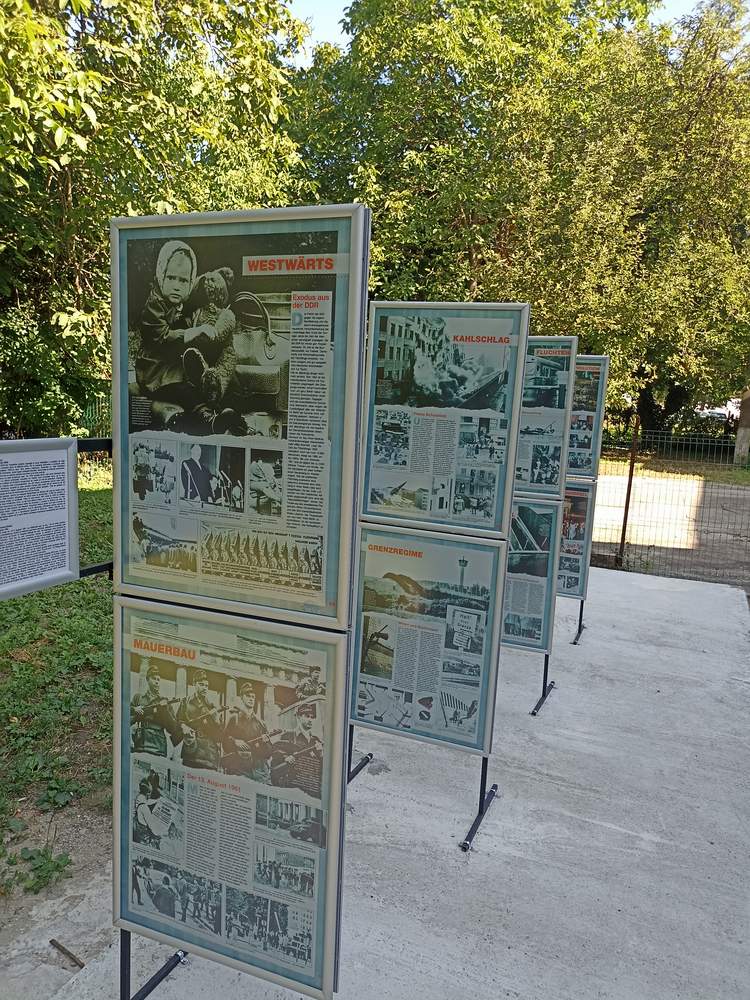
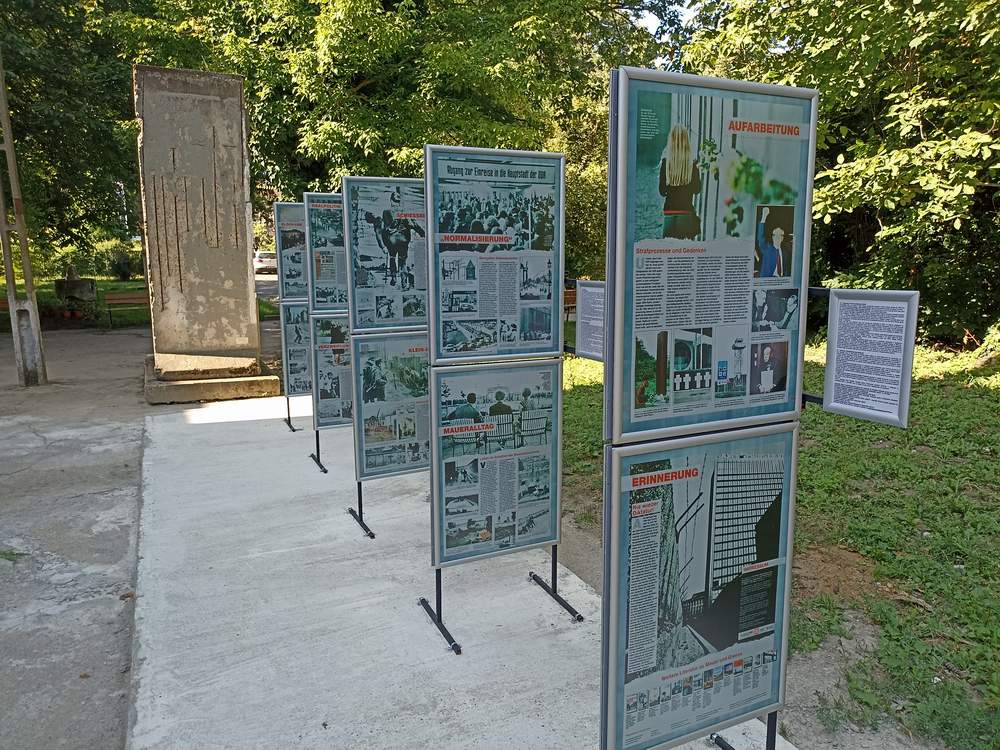
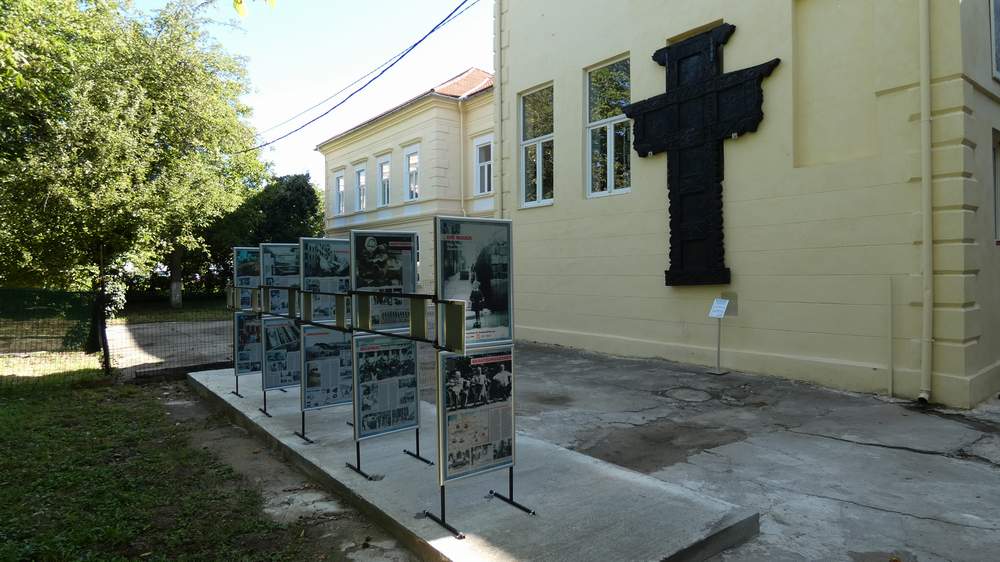
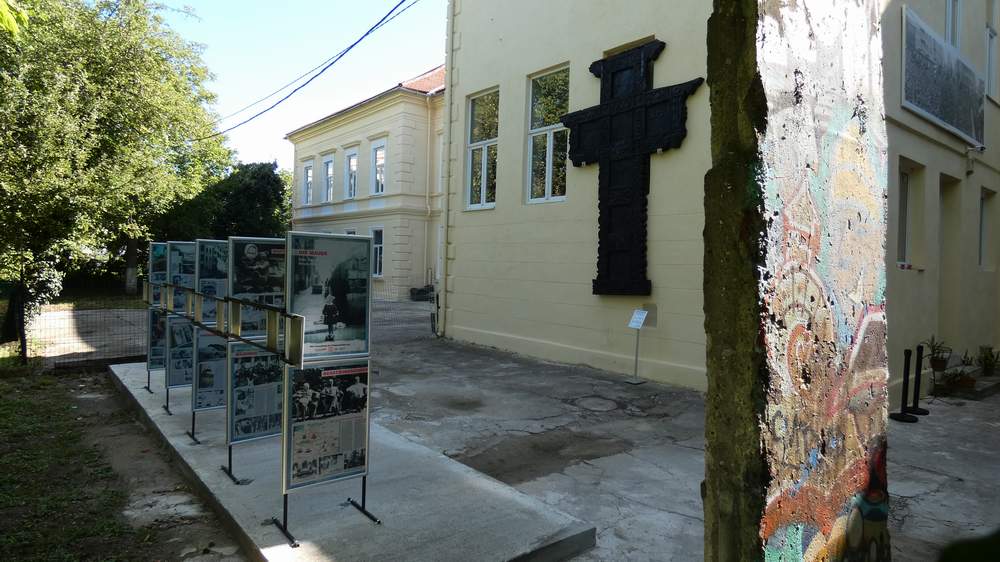
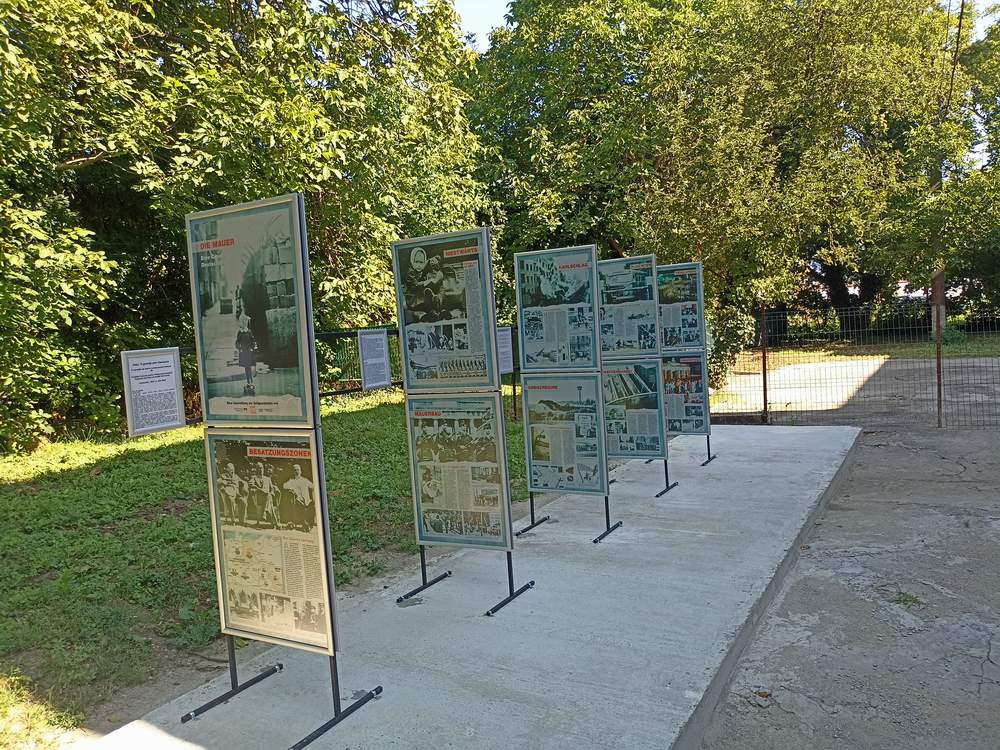
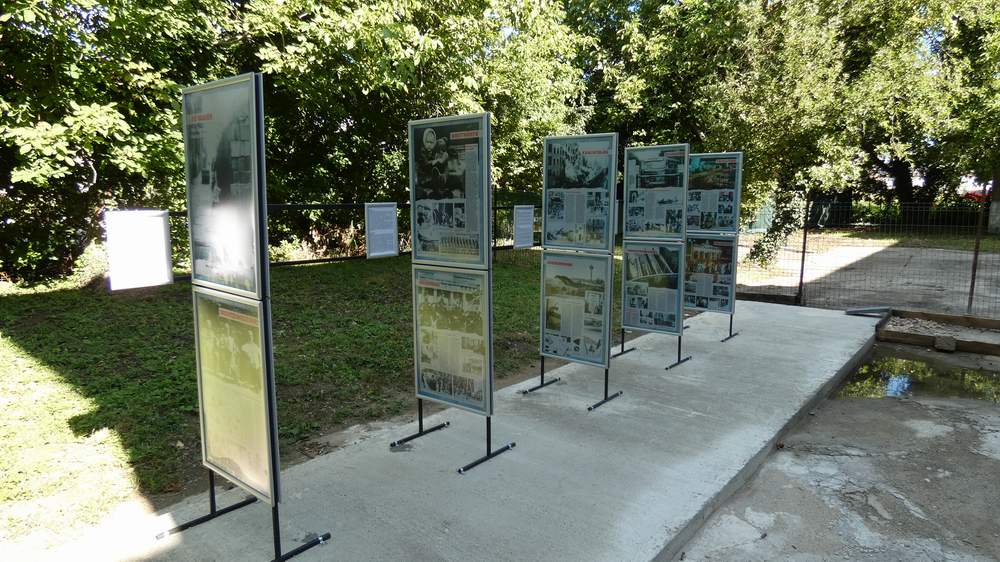
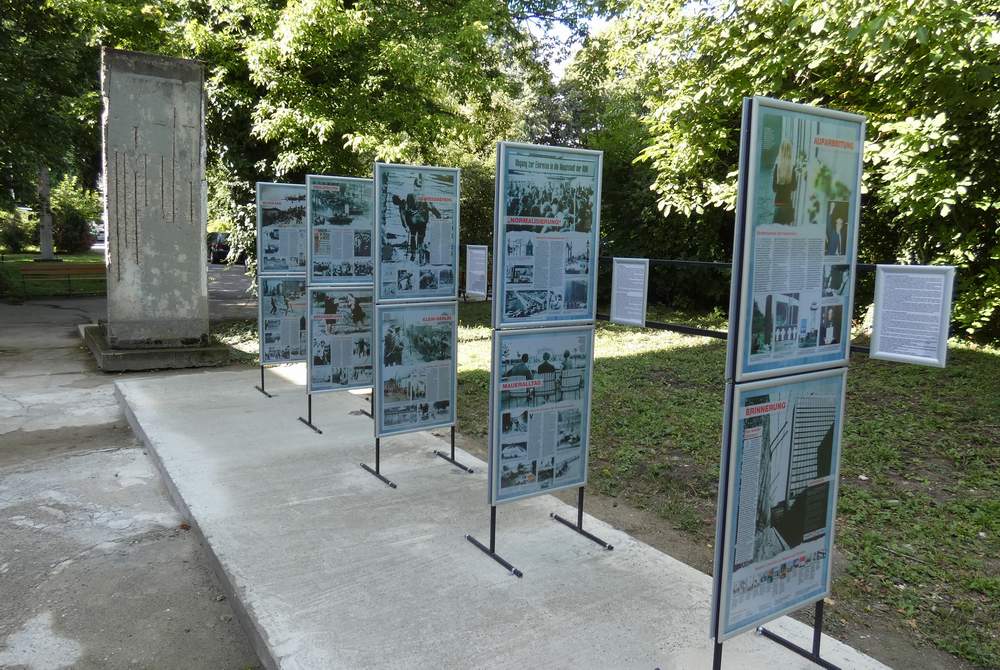
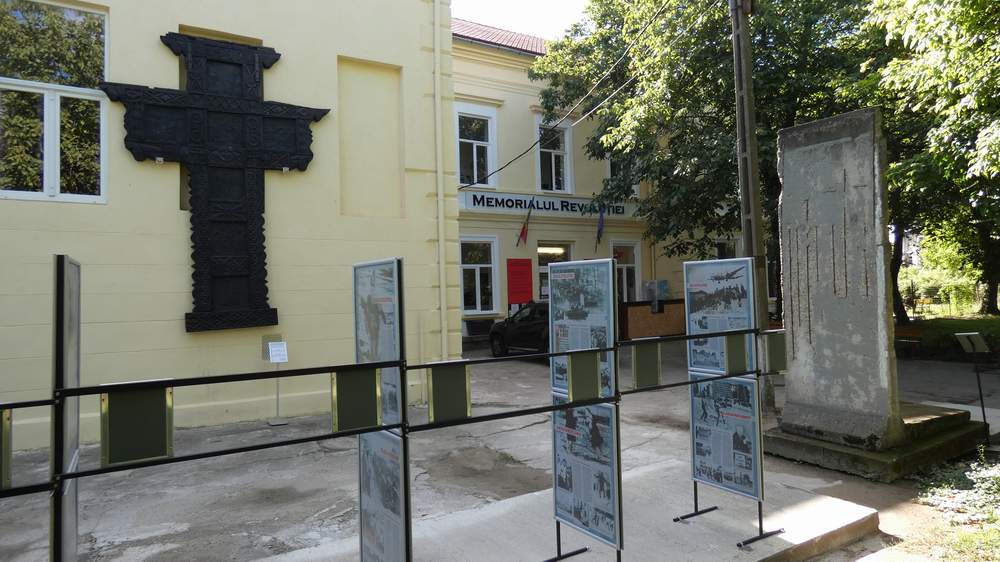
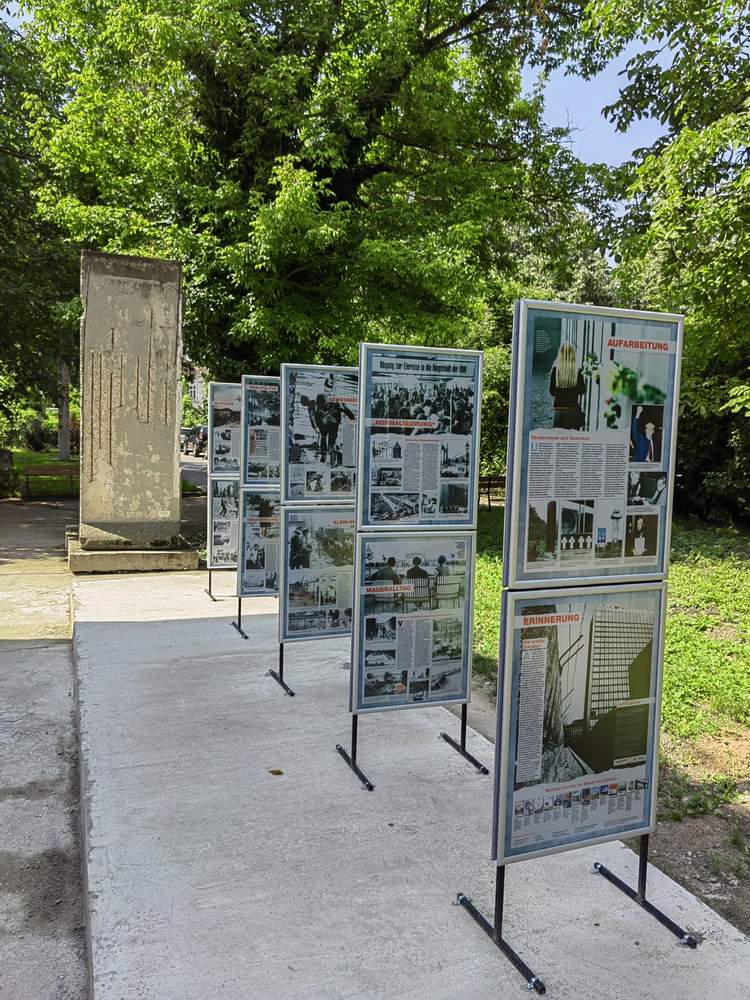
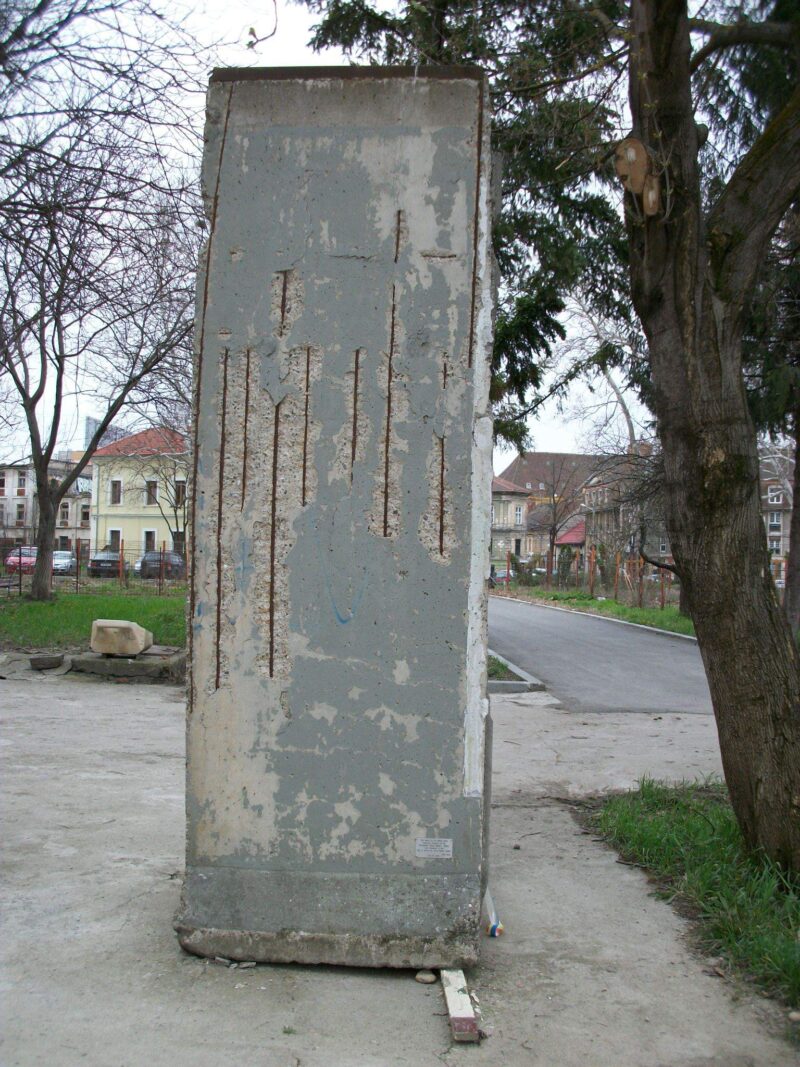
The Exhibition “The Berlin Wall – A Border Through Germany”

The Exhibition “The Berlin Wall – A Border Through Germany”
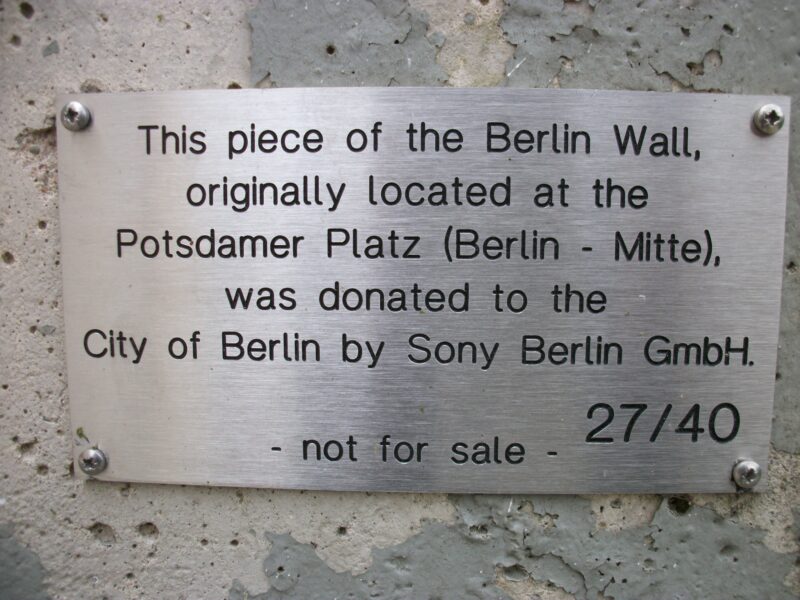
The Exhibition “The Berlin Wall – A Border Through Germany”
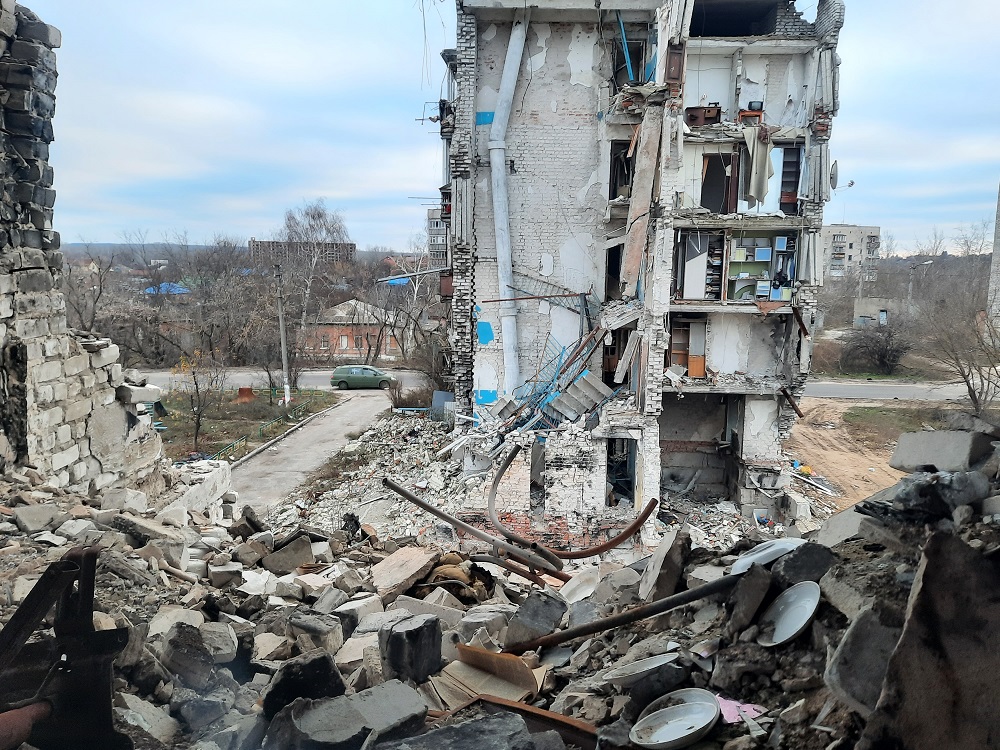
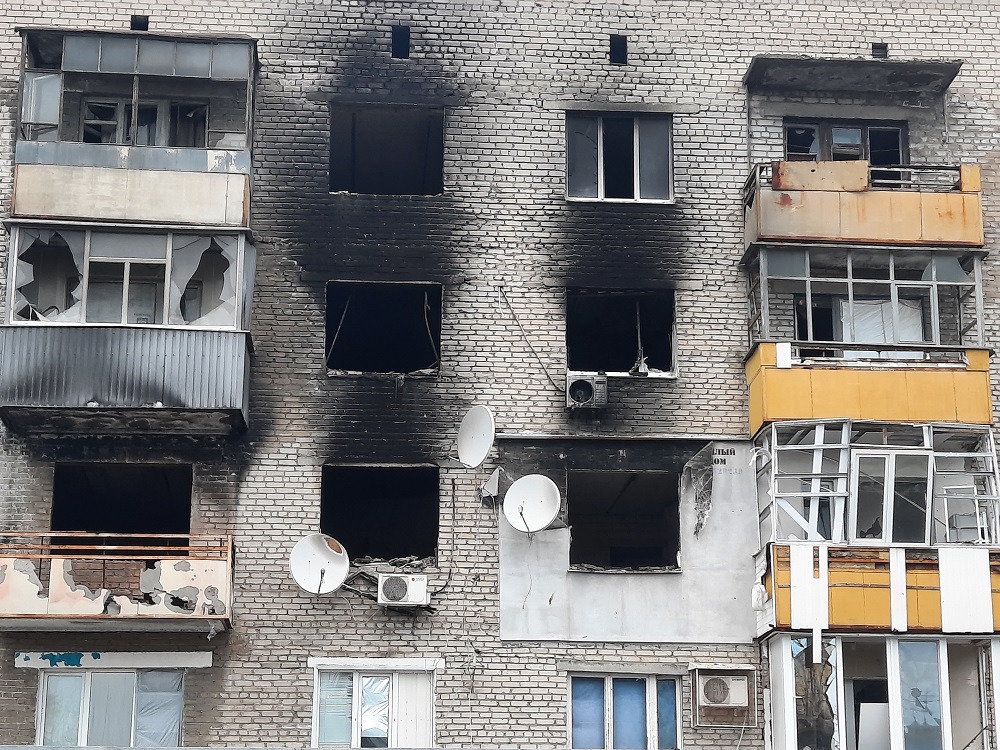
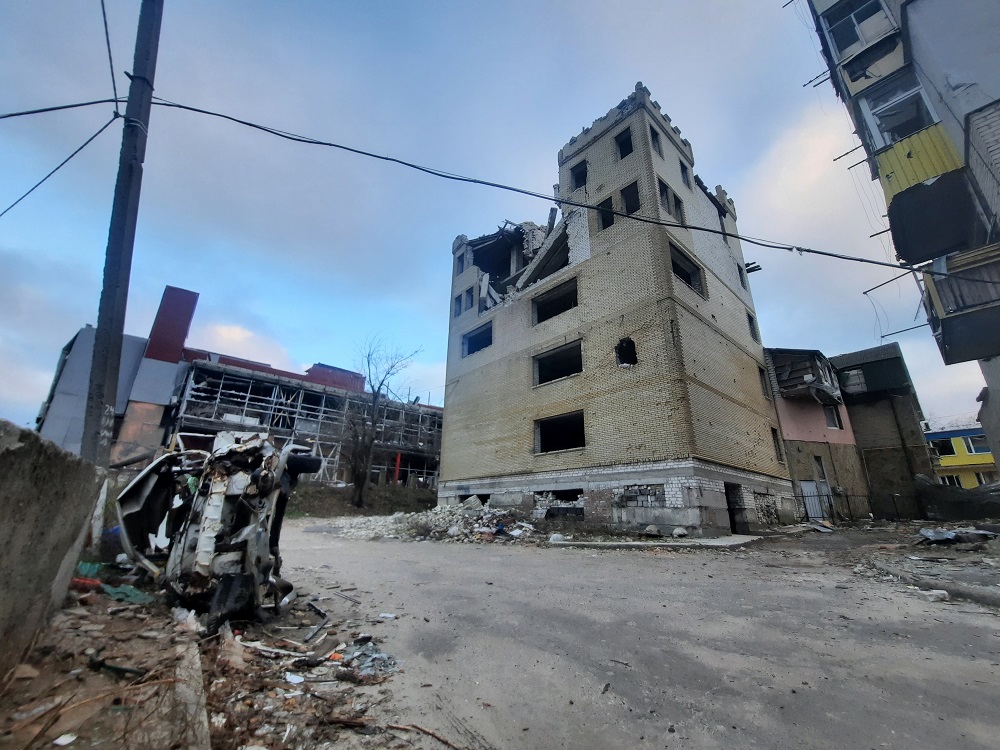
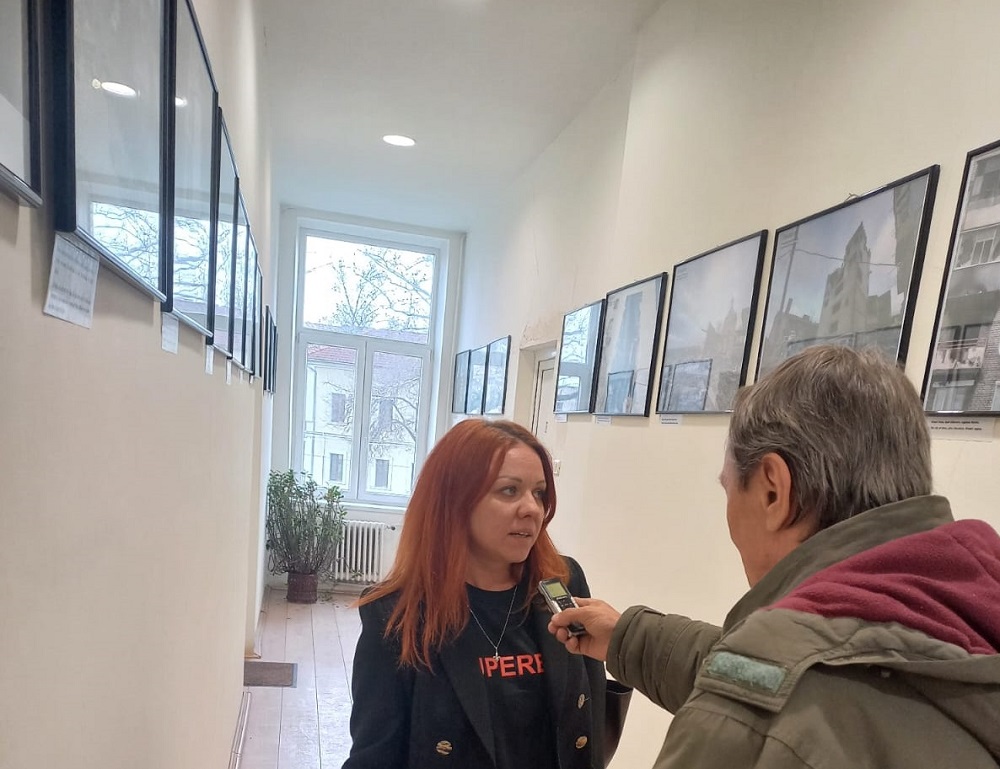
The Exhibition “The War in Ukraine”
The photo exhibition by Ukrainian journalist Marianna Prysiazhniuk about the war in Ukraine.
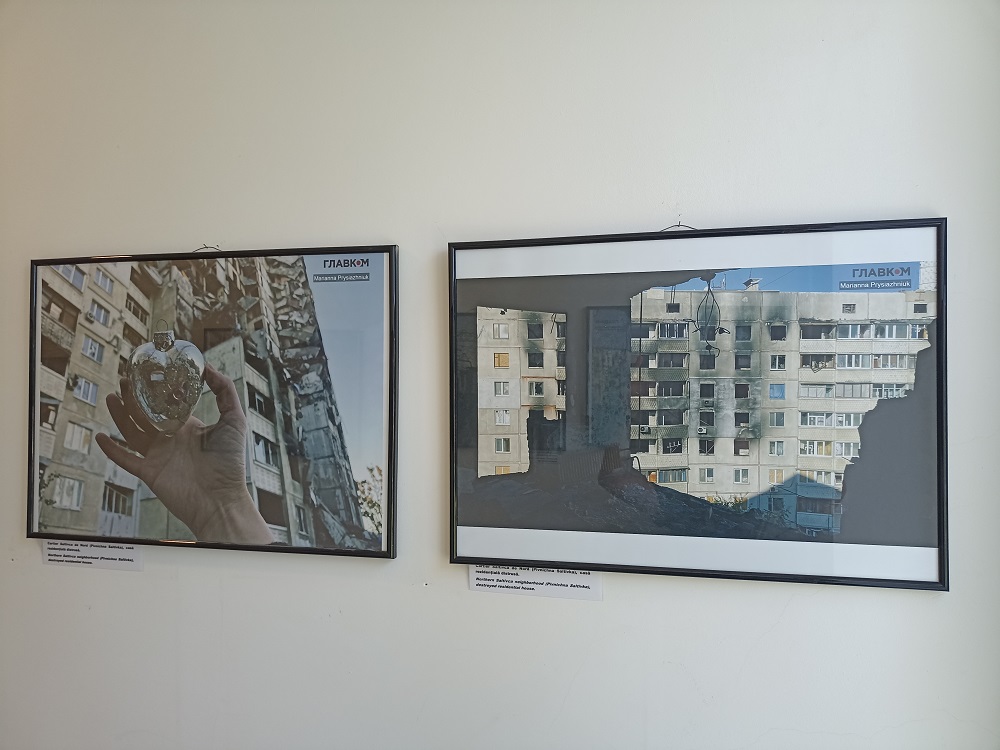
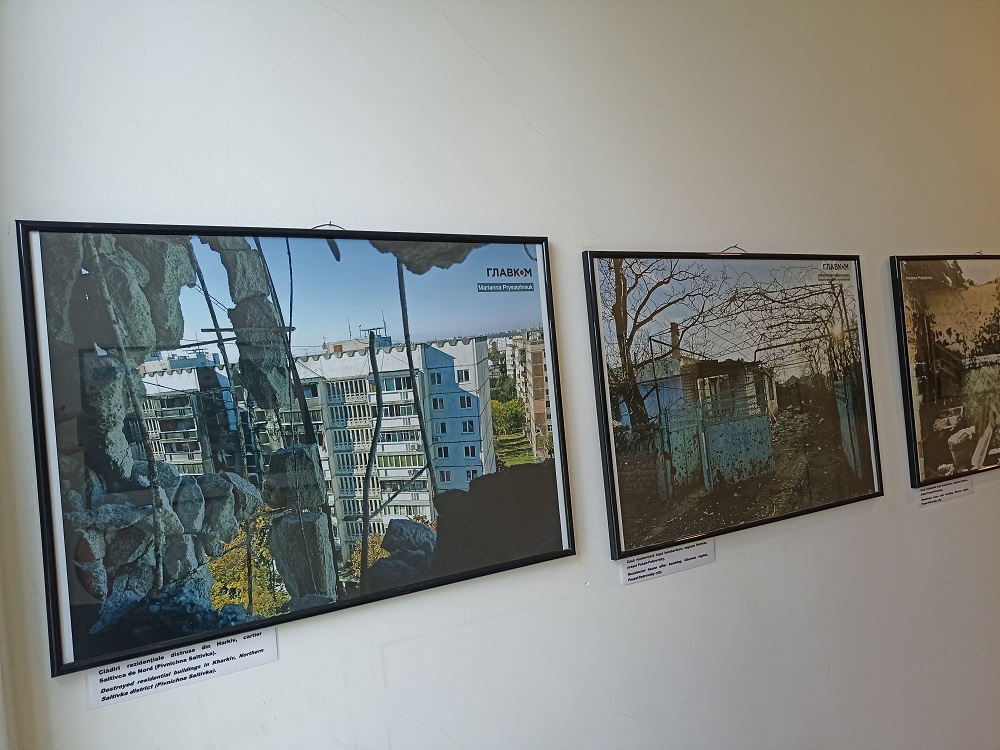
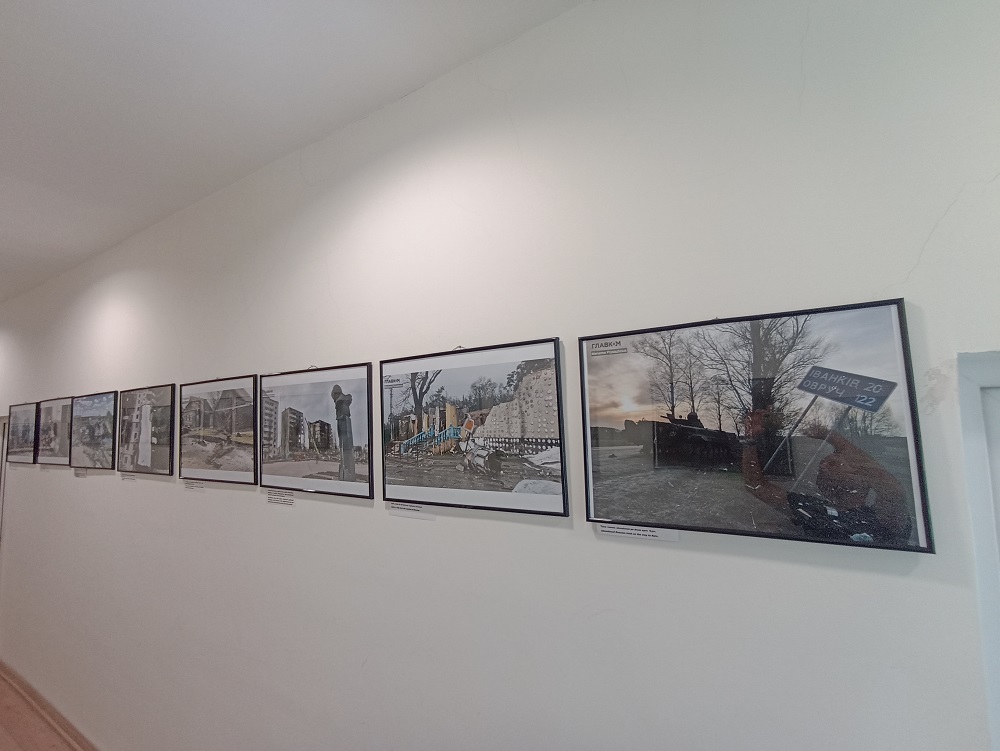
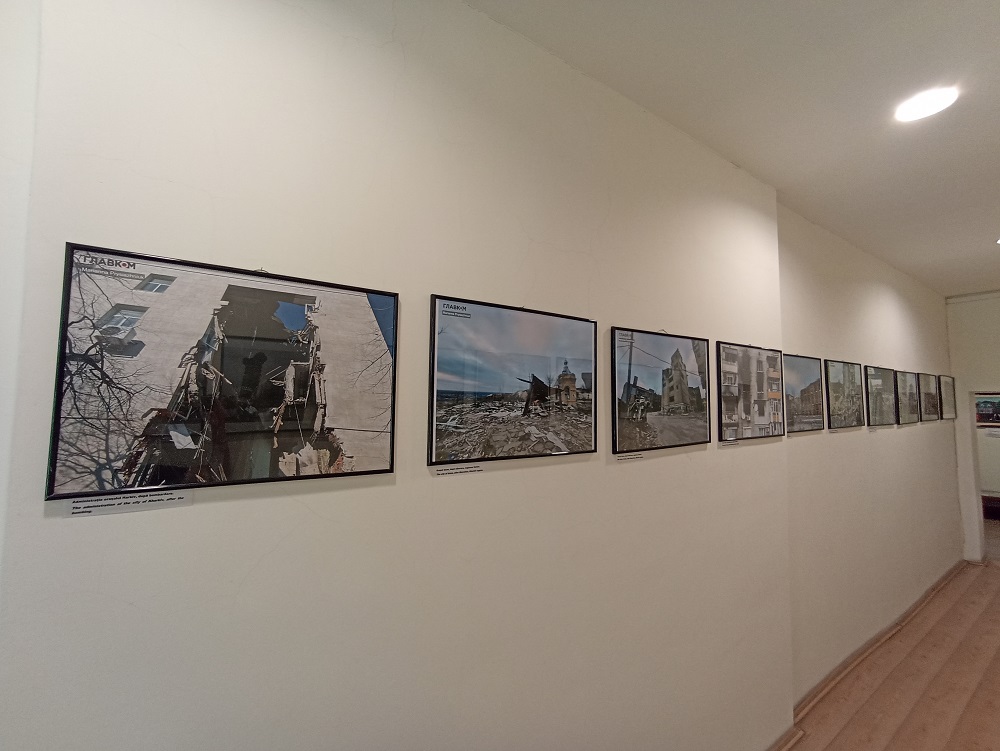
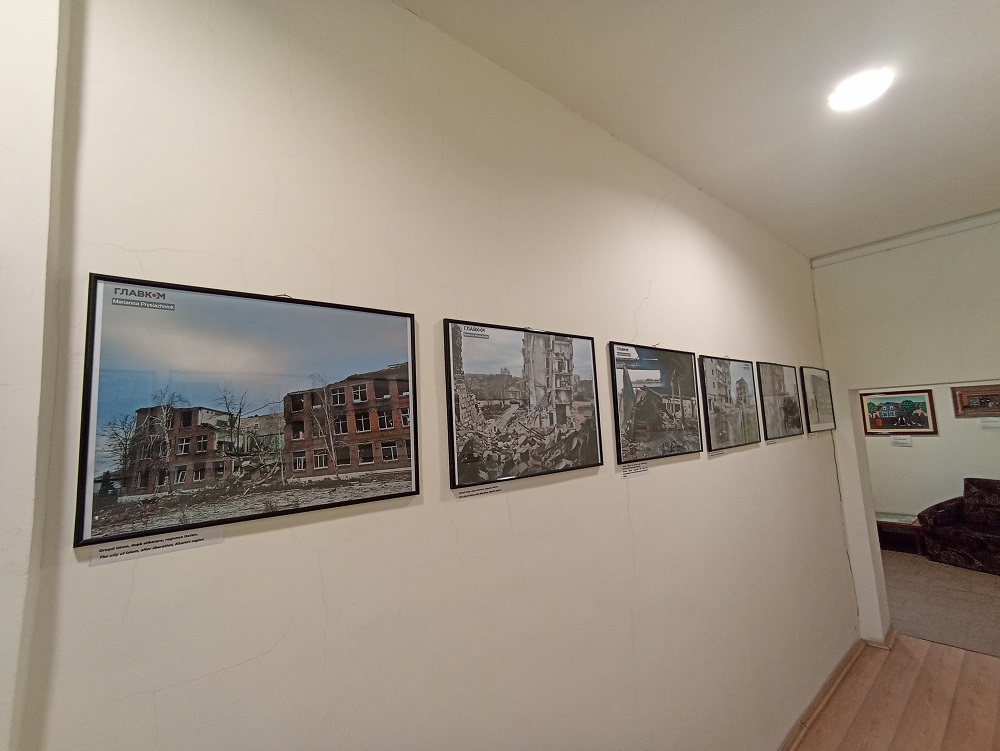
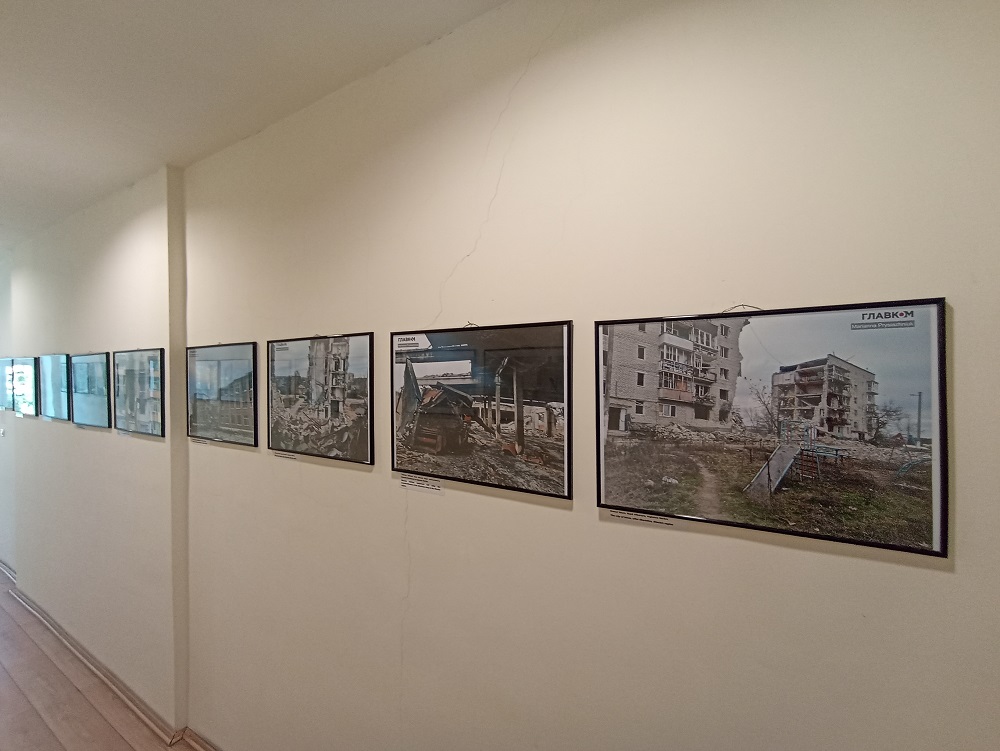
The Exhibition “’89 from the Doorway” by Timișoara visual artist Suzana Fântânariu features a series of painted doors. The themes explored by the artist are communism and the Revolution, inviting visitors to enter, through the eternally open door of art, a universe of symbols.
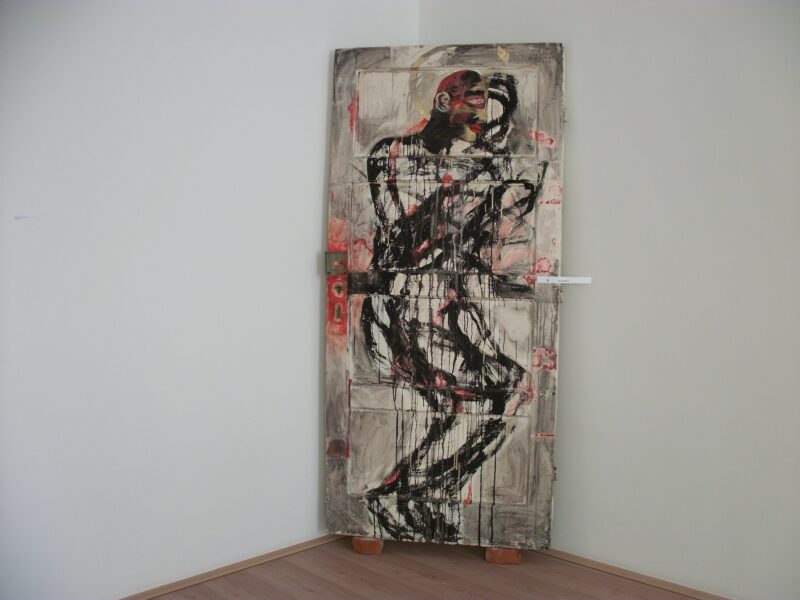
The Exhibition “’89 from the Doorway”
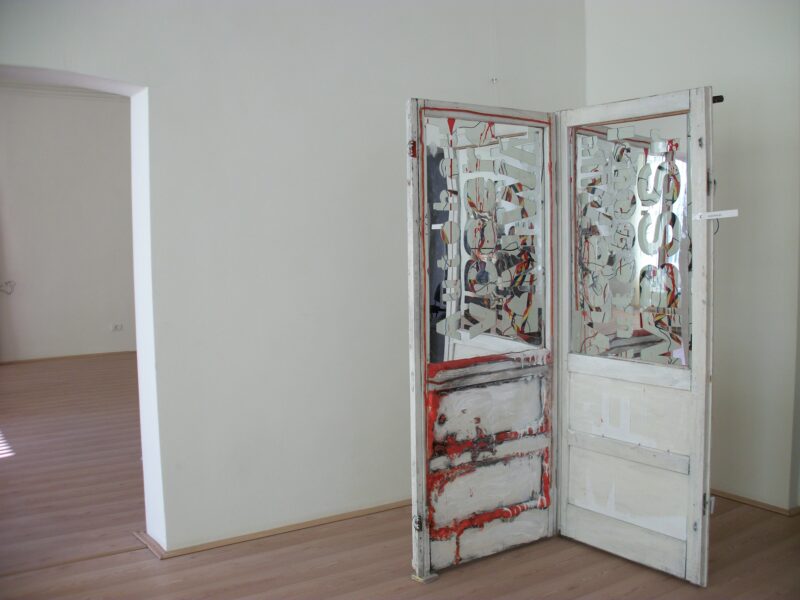
The Exhibition “’89 from the Doorway”
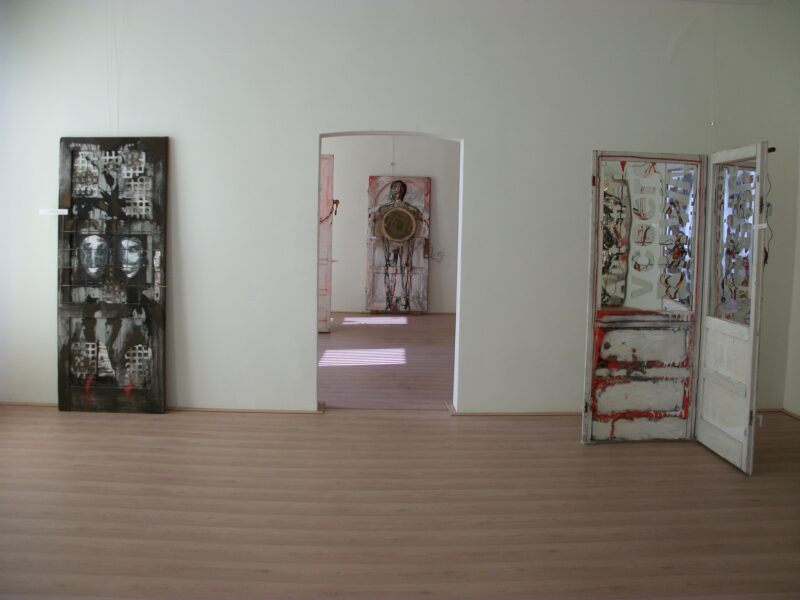
The Exhibition “’89 from the Doorway”

The Exhibition “’89 from the Doorway”
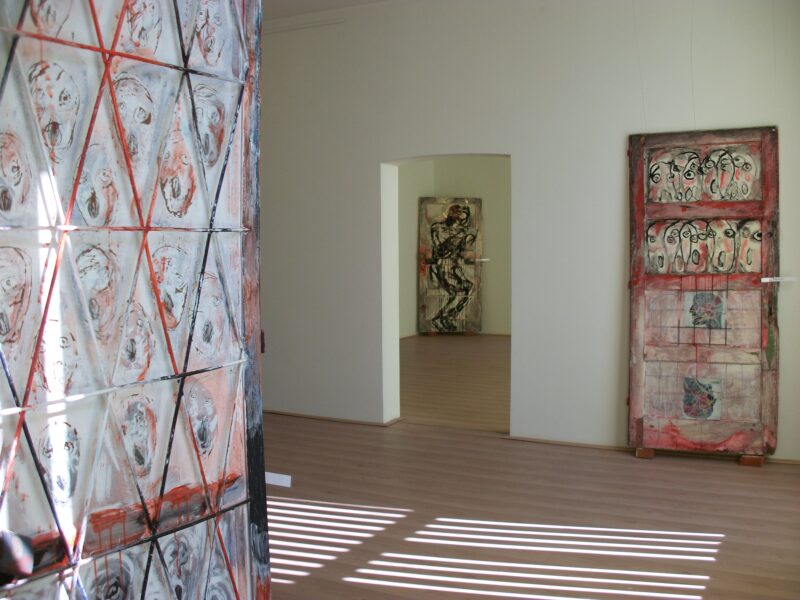
The Exhibition “’89 from the Doorway”
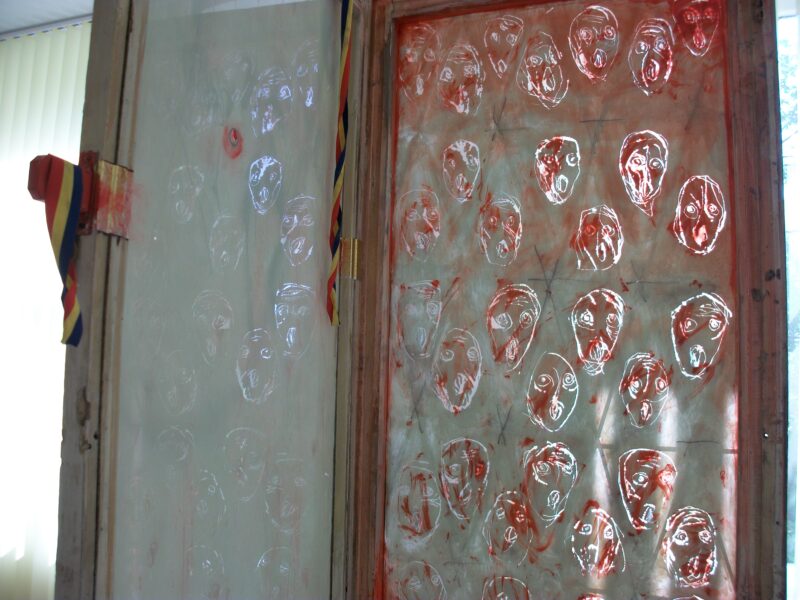
The Exhibition “’89 from the Doorway”
The Exhibition “The Ceaușescu Era – Naïve-Style Painting” by German artist Herma Köpernik-Kennel is a small reflection of the communist period between 1979 and 1983, which the artist spent in Bucharest. The images, filled with subtle irony and humour, are accompanied by texts in the same spirit, translated into Romanian as well.
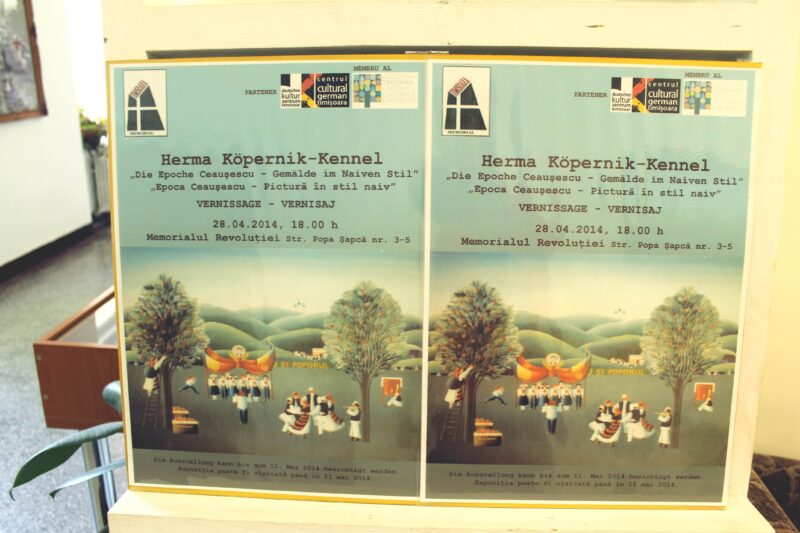
The Exhibition “The Ceaușescu Era – Naïve-Style Painting”
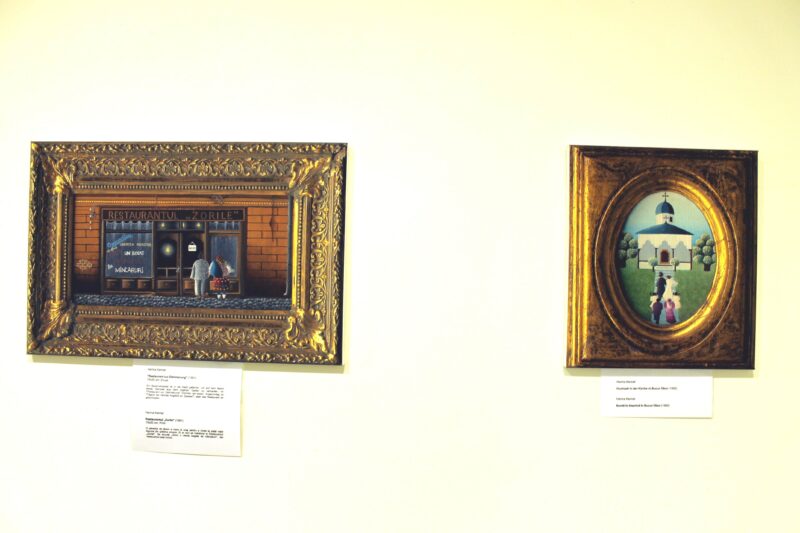
The Exhibition “The Ceaușescu Era – Naïve-Style Painting”
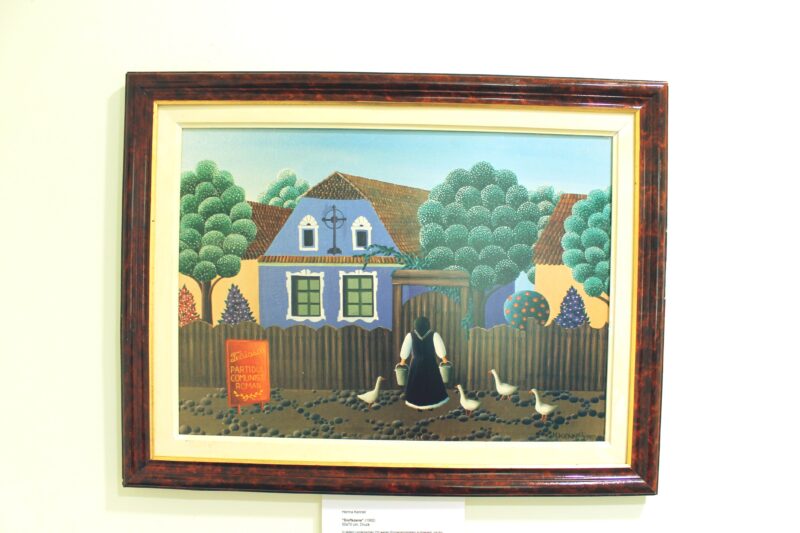
The Exhibition “The Ceaușescu Era – Naïve-Style Painting”
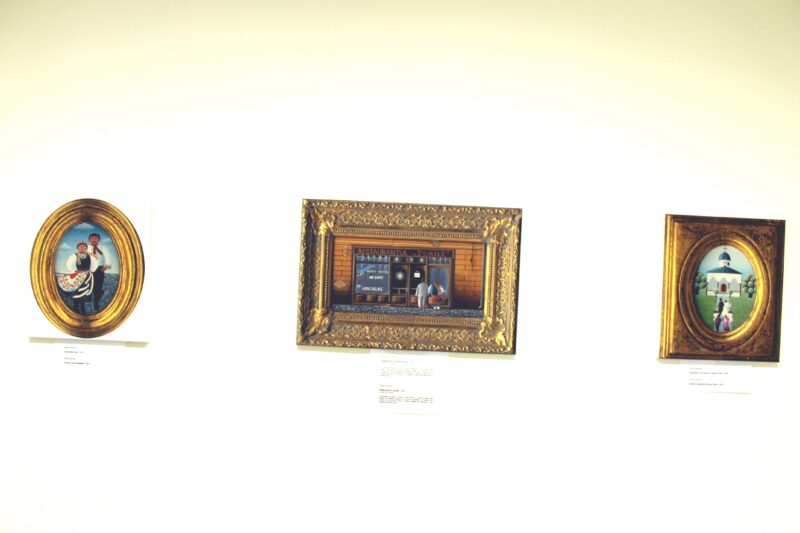
The Exhibition “The Ceaușescu Era – Naïve-Style Painting”

The Exhibition “The Ceaușescu Era – Naïve-Style Painting”
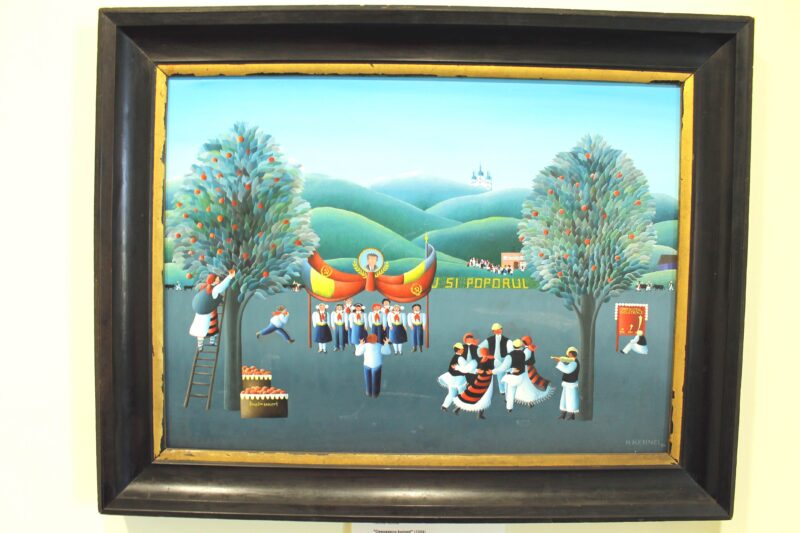
The Exhibition “The Ceaușescu Era – Naïve-Style Painting”
The Scale Model Room houses the 12 monuments erected in memory of the Heroes of December 1989, as well as a map showing their locations.

The Scale Model Room
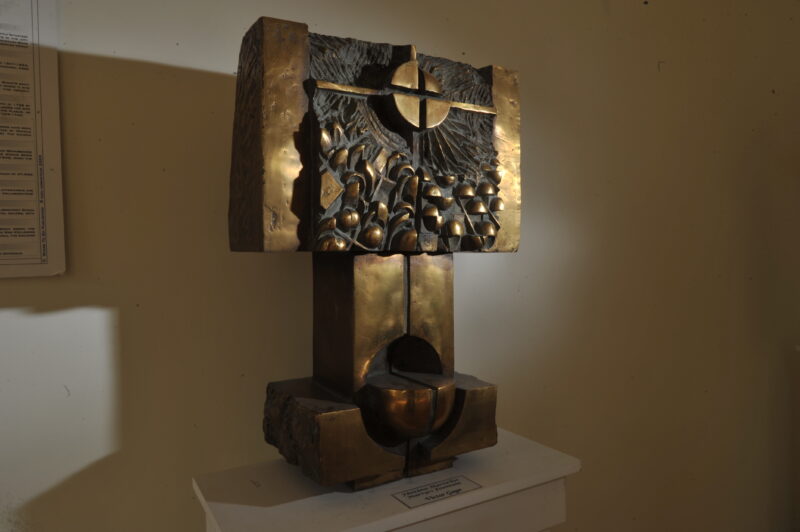
The Scale Model Room
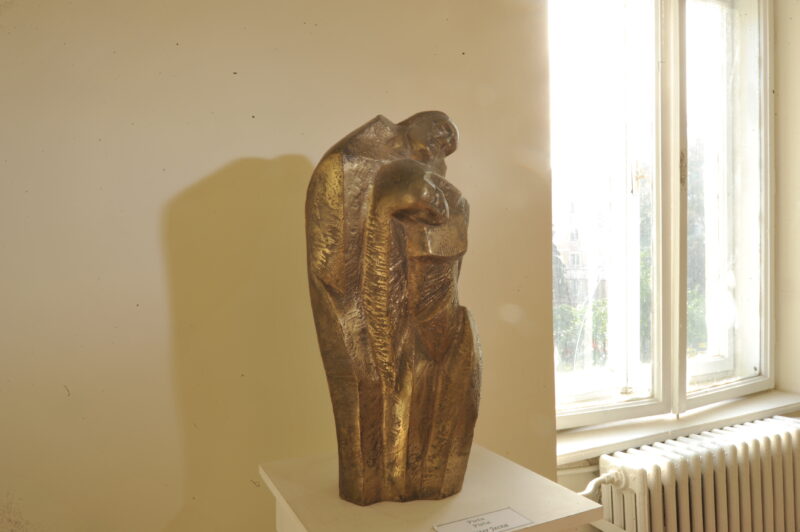
The Scale Model Room
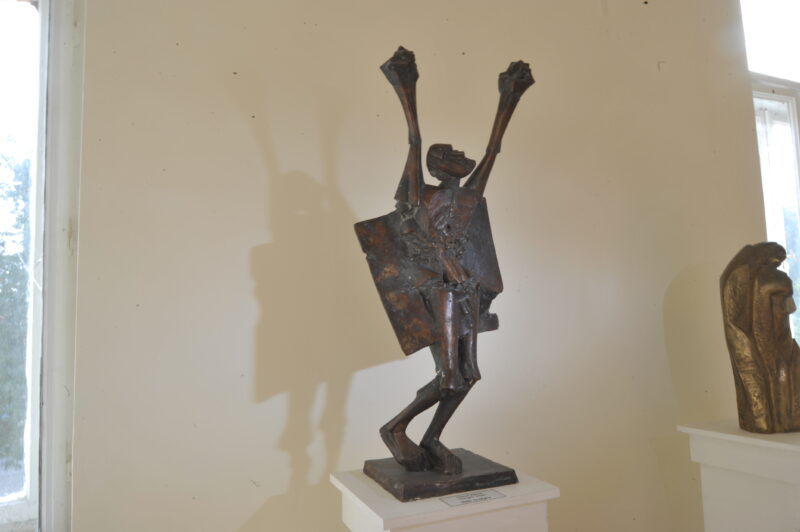
The Scale Model Room
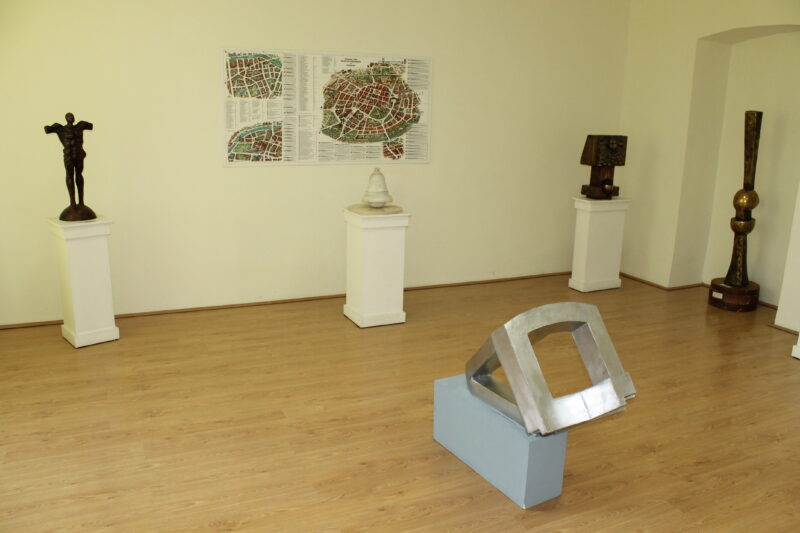
The Scale Model Room
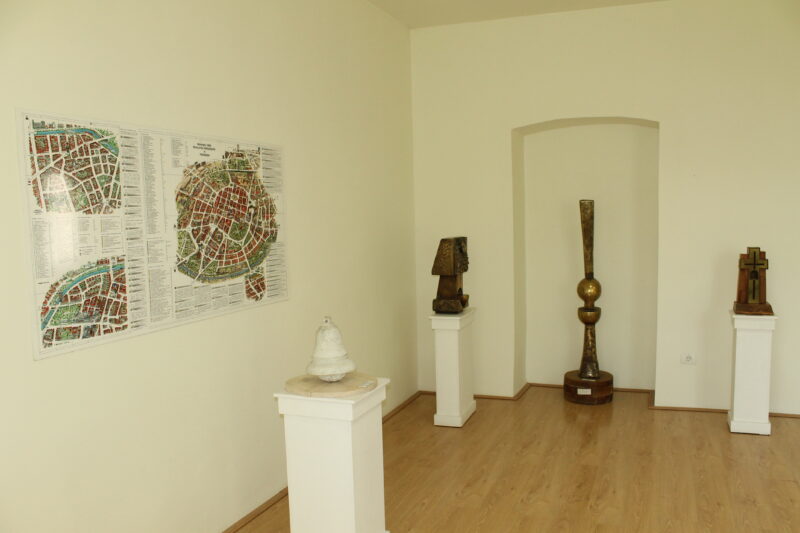
The Scale Model Room
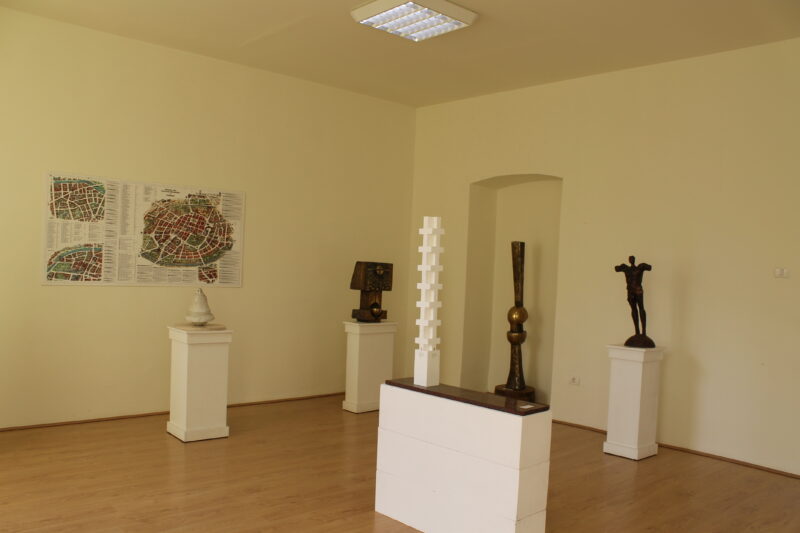
The Scale Model Room
The Heroes’ Chapelpainted by artist Casian Murărașu, located within the Memorial of the Revolution, and consecrated on 22 January 2014, it is intended to illustrate the solidarity of the people of Timișoara throughout the seven days of the Revolution.
The painted scenes depict the Crucifixion and Resurrection of Jesus Christ as metaphors for the fall and rebirth of a nation.
To illustrate the ecumenical character of the Chapel, two of the most important patron saints of Banat are also depicted: Saint Joseph the New of Partoș (1568–1656), representing the Orthodox faith, and Saint Gerard (980–1046), representing the Catholic faith.
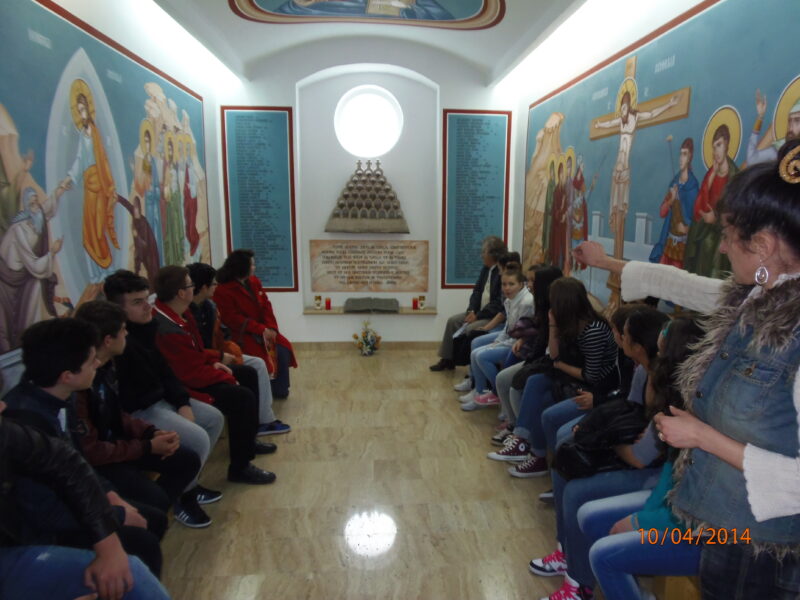
The Heroes’ Chapel

The Heroes’ Chapel
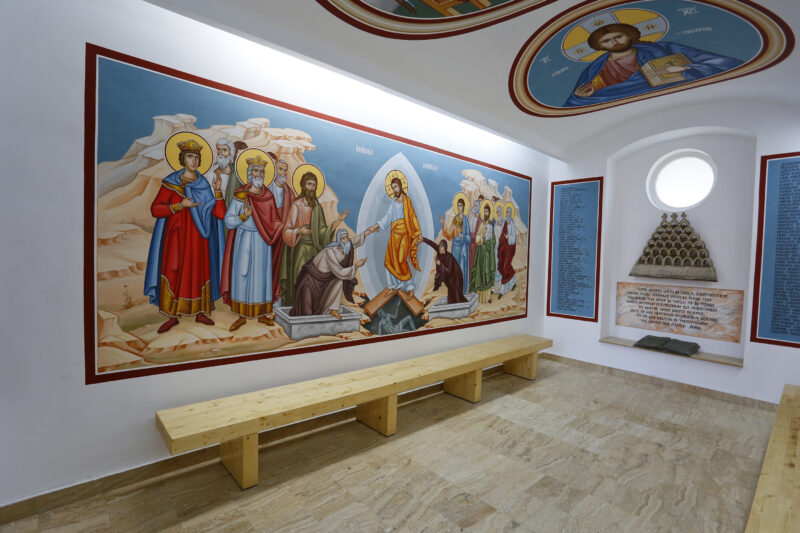
The Heroes’ Chapel

The Heroes’ Chapel
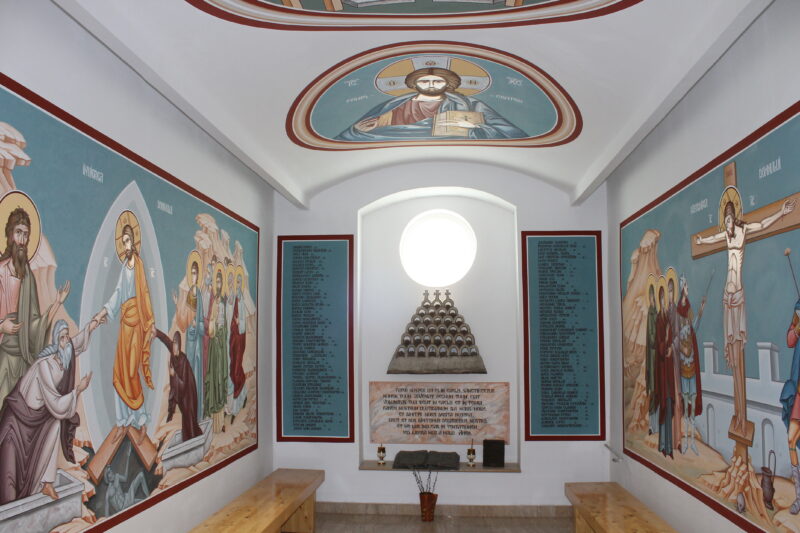
The Heroes’ Chapel
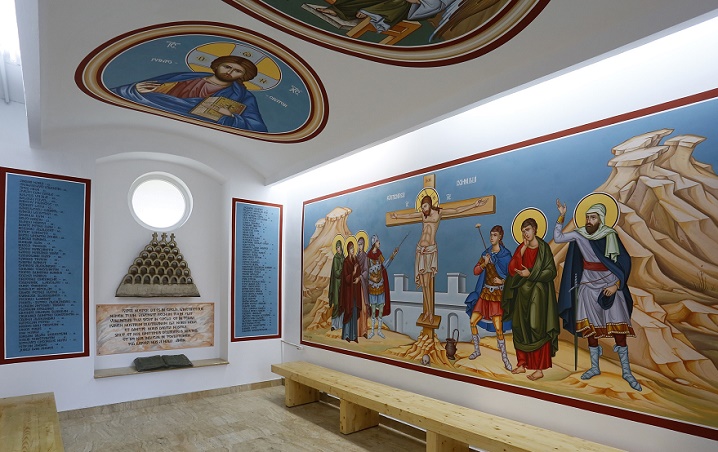
The Heroes’ Chapel
Upon request, visitors can watch feature films and documentaries about the Revolution, communism, the monuments of the Revolution, the year 1989, and its global significance.